
Jul 30
Jul 30
Jul 29
Jul 22
Jul 19
Jul 17
When spring blooms or fall leaves fall, many people brace themselves for allergy symptoms like sneezing, congestion, and itchy eyes. But what’s often overlooked is the effect seasonal allergies can have on your oral health. From dry mouth caused by antihistamines to sinus pressure affecting your teeth, allergies can quietly disrupt your daily oral hygiene. In this blog, we explore how allergies affect your teeth, gums, and breath—and how BrushO helps you stay ahead with smarter, more adaptive brushing habits.
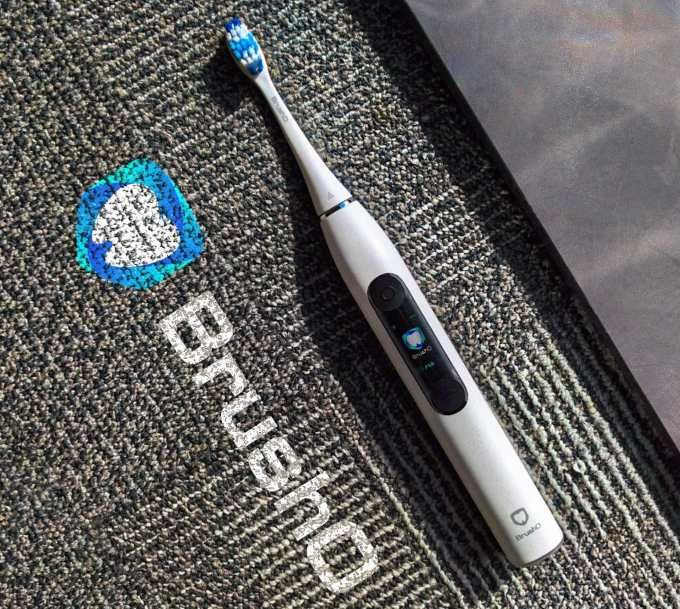
Seasonal allergies trigger an immune response in your body, which often affects more than just your nose and eyes. Here’s how they impact your oral health:
Antihistamines help reduce sneezing and congestion, but they often lead to reduced saliva production. A dry mouth:
• Increases risk of plaque buildup
• Creates an ideal environment for bacteria
• Leads to bad breath and a sticky feeling in the mouth
Congested sinuses often force allergy sufferers to breathe through their mouths. Chronic mouth breathing:
• Dries out oral tissues
• Exposes gums and enamel to irritants
• Can contribute to gum inflammation and enamel erosion
Allergy-related sinus pressure, especially in the upper cheeks, can cause discomfort in the upper molars. This can be mistaken for a toothache, leading to unnecessary concern or missed real dental issues.
The mucus that drains into your throat during allergies can irritate your gums and throat. It can also:
• Alter the pH balance in your mouth
• Contribute to bad breath
• Trigger inflammation along the gumline
Seasonal allergies may be out of your control—but your oral care routine doesn’t have to be. BrushO helps you adapt to changes in your mouth and maintain oral health during high-allergy times:
Dry mouth? Use Ultra-Gentle Mode to avoid irritating sensitive tissue while still ensuring effective cleaning.
Post-nasal drip and sinus discomfort may cause you to skip certain areas. BrushO’s 16-surface zone tracking ensures you never miss a spot—even when you’re not feeling your best.
Brushing harder to compensate for discomfort? BrushO monitors your pressure and alerts you when you’re brushing too aggressively—protecting enamel and inflamed gums.
It’s easy to forget brushing when allergies wear you down. BrushO’s habit-tracking app gives gentle reminders, brushing scores, and health visualizations to keep your routine consistent—even when allergies hit hard.
• Stay hydrated: Drink more water to combat dry mouth caused by antihistamines.
• Rinse after sneezing: Flush allergens from your mouth with water or an alcohol-free rinse.
• Clean your brush head often: Pollen and bacteria can accumulate faster—BrushO heads are easy to sanitize or replace.
• Use a humidifier: Especially at night, to avoid excessive mouth dryness from mouth breathing.
Seasonal allergies can take a hidden toll on your oral health through dry mouth, gum irritation, and sinus pressure. But with awareness, hydration, and the right smart tools, you can protect your teeth and gums all year round. BrushO ensures that no matter how allergy season affects you, your brushing routine stays personalized, effective, and consistent.
Jul 30
Jul 30
Jul 29
Jul 22
Jul 19
Jul 17

Hyperdontia is the presence of one or more teeth in excess of the normal dental formula, and the resulting teeth are described as supernumerary. The condition is common enough to appear in routine practice but variable enough in presentation that the decision to intervene is rarely straightforwar...

Few patients complete orthodontic treatment without asking whether their teeth will move back. The honest answer is that they will, to some degree, in the majority of cases. Relapse is not a failure of treatment but a predictable biological response, and understanding why it happens is the basis ...

The mandible is the largest and most frequently fractured bone of the facial skeleton, and its management sits at the interface between trauma surgery and restorative dentistry. Treatment has shifted over four decades from prolonged maxillomandibular fixation towards rigid internal fixation with ...

Chronic liver disease affects hundreds of millions of people worldwide, and its prevalence continues to rise with the epidemic of metabolic liver disease. The liver is central to haemostasis, drug metabolism and immune competence, and its failure therefore alters the risk profile of almost every ...

Excessive gingival display, commonly described as a gummy smile, is one of the most frequent aesthetic concerns presented to dental practitioners. The condition is not a single entity but a clinical presentation that can arise from skeletal, gingival, muscular or dental factors, and the treatment...

Drug-induced gingival overgrowth is a well-recognised adverse effect of several widely prescribed medications, and it remains one of the most common drug-related findings in periodontal practice. The condition produces firm, fibrous enlargement of the gingiva that can interfere with speech, masti...

Denture stomatitis is an inflammatory condition of the denture-bearing mucosa that affects a large proportion of removable prosthesis wearers, yet it is frequently dismissed as a cosmetic annoyance. The condition is driven by a Candida biofilm on the fitting surface of the prosthesis, and it is m...

Chronic kidney disease affects an estimated 850 million people worldwide, and the number of patients surviving on dialysis or with a renal transplant continues to rise. These patients carry an oral disease burden that is substantially higher than that of the general population, and their medical ...

Angular cheilitis is an inflammatory lesion of the labial commissures that presents with erythema, fissuring and crusting at the corners of the mouth. It is one of the most common conditions encountered in general dental practice, yet it is frequently treated as a simple fungal infection and allo...

Adverse reactions to dental materials are uncommon but they are not rare, and they are frequently misdiagnosed because the oral mucosa responds to allergens in a limited number of ways. A burning sensation, a persistent ulcer or an unexplained area of erythema may all represent a hypersensitivity...

แปรงสีฟันไฟฟ้า BrushO AI ให้คำแนะนำการแปรงแบบเรียลไทม์ ฟีดแบ็กแรงกด การติดตามพื้นที่แปรง และรายงานความคืบหน้าในแอป เพื่อกิจวัตรประจำวันที่สะอาดขึ้น
แปรงสีฟันไฟฟ้า BrushO AI ให้คำแนะนำการแปรงแบบเรียลไทม์ ฟีดแบ็กแรงกด การติดตามพื้นที่แปรง และรายงานความคืบหน้าในแอป เพื่อกิจวัตรประจำวันที่สะอาดขึ้น


Address: RM 1427, 14/F RADIO CITY 505, HENNESSY RD CAUSEWAY BAY, HONG KONG
Code: 000000
Phone: +852-53758652
Email: customerservice@brusho.com