
Jul 30
Jul 30
Jul 29
Jul 22
Jul 19
Jul 17
A blocked nose is commonly dismissed as a minor inconvenience, yet persistent nasal obstruction can reshape oral health in subtle but measurable ways. When nasal airflow is compromised, the body compensates with mouth breathing — especially during sleep — altering saliva balance, microbial ecology, jaw posture, and gum resilience. Reduced salivary protection increases plaque accumulation, enamel vulnerability, and inflammation risk even in individuals who maintain regular brushing routines. Understanding this overlooked connection enables proactive prevention. This article explores the physiological mechanisms linking nasal blockage and oral health decline, identifies early warning indicators, and outlines science-backed strategies to maintain oral stability — including precision-guided brushing supported by AI-powered tools like BrushO.
Nasal breathing plays an essential physiological role beyond respiration — it regulates humidity, filters particles, and maintains proper oral posture. When airflow is obstructed due to allergies, infection, congestion, or anatomical variation, breathing shifts toward the mouth.
Chronic mouth breathing alters oral function in several key ways:
• Accelerates moisture loss from oral tissues
• Reduces salivary buffering capacity
• Increases oxygen exposure for bacterial growth
• Changes resting jaw and tongue positioning
These shifts create a microenvironment more conducive to plaque accumulation and gum irritation, even before symptoms appear.
Saliva is central to oral ecosystem stability. It:
• Neutralizes acid produced by oral bacteria
• Remineralizes enamel with calcium and phosphate
• Removes food particles
• Regulates microbial populations
Mouth breathing reduces saliva retention, producing subclinical dry mouth — dryness that may not feel severe but still affects protective function.
Consequences may include:
• Faster plaque formation
• Increased bacterial volatility (odor compounds)
• Higher enamel demineralization risk
• Reduced gum tissue resilience
Because adaptation occurs gradually, many individuals fail to recognize this degradation.
The most pronounced oral effects occur during sleep. Physiologically:
• Saliva production decreases at night
• Mouth breathing accelerates evaporation
• Bacterial activity continues uninterrupted
This combination allows extended microbial activity across tooth surfaces and gum margins.
Morning indicators may include:
• Persistent halitosis
• Sticky biofilm sensation
• Localized gum tenderness
• Jaw stiffness or fatigue
These signs represent ecological stress rather than isolated hygiene failure.
Breathing mechanics influence craniofacial posture. Nasal obstruction encourages:
• Lower tongue resting position
• Open-mouth jaw alignment
• Altered occlusal balance
Long-term outcomes may involve:
• Uneven tooth wear patterns
• Jaw tension or clenching
• Bite instability
In developmental stages, chronic mouth breathing can influence facial growth patterns. In adults, structural change is subtler but still biomechanically relevant.
Dry airflow across the gingival tissue reduces lubrication and increases exposure to irritants. Clinical observations associate mouth breathing with:
• Gingival redness
• Swelling
• Bleeding during brushing
• Higher gingivitis prevalence
Importantly, this inflammation may persist despite regular brushing if coverage along the gumline is inconsistent.
Addressing the root respiratory cause should remain the priority (allergy management, airway evaluation, sleep positioning). However, oral resilience can be strengthened through targeted hygiene:
• Prioritizing full plaque removal
• Cleaning along gum margins
• Avoiding aggressive brushing pressure
• Maintaining hydration
• Monitoring early inflammation signals
Consistency and technique precision become particularly important under elevated oral stress conditions.
The nasal–oral relationship lacks dramatic symptoms. Instead:
• Damage accumulates slowly
• Pain rarely appears early
• Changes are ecological rather than acute
Because cause and effect unfold gradually, nasal obstruction remains an underestimated contributor to oral instability.
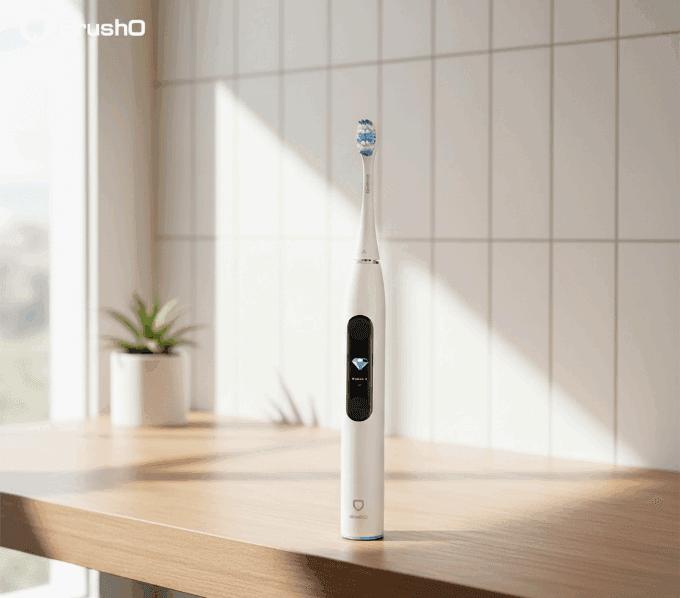
When breathing patterns elevate risk factors, improving brushing accuracy helps maintain equilibrium. BrushO supports this by:
• Guiding coverage across all zones
• Reducing missed gumline areas
• Monitoring pressure consistency
• Reinforcing routine stability
These features help compensate for environmental stressors by ensuring plaque removal remains thorough and balanced.
A blocked nose can quietly reshape oral health through moisture loss, microbial shifts, and biomechanical changes. While the effects are gradual, they are measurable and preventable. Recognizing breathing patterns as part of oral wellness allows earlier intervention and better long-term outcomes. Combining airway awareness with consistent, precision-driven oral care ensures resilience — even when physiological conditions are less than ideal.
Feb 19
Feb 17
Jul 30
Jul 30
Jul 29
Jul 22
Jul 19
Jul 17

Hyperdontia is the presence of one or more teeth in excess of the normal dental formula, and the resulting teeth are described as supernumerary. The condition is common enough to appear in routine practice but variable enough in presentation that the decision to intervene is rarely straightforwar...

Few patients complete orthodontic treatment without asking whether their teeth will move back. The honest answer is that they will, to some degree, in the majority of cases. Relapse is not a failure of treatment but a predictable biological response, and understanding why it happens is the basis ...

The mandible is the largest and most frequently fractured bone of the facial skeleton, and its management sits at the interface between trauma surgery and restorative dentistry. Treatment has shifted over four decades from prolonged maxillomandibular fixation towards rigid internal fixation with ...

Chronic liver disease affects hundreds of millions of people worldwide, and its prevalence continues to rise with the epidemic of metabolic liver disease. The liver is central to haemostasis, drug metabolism and immune competence, and its failure therefore alters the risk profile of almost every ...

Excessive gingival display, commonly described as a gummy smile, is one of the most frequent aesthetic concerns presented to dental practitioners. The condition is not a single entity but a clinical presentation that can arise from skeletal, gingival, muscular or dental factors, and the treatment...

Drug-induced gingival overgrowth is a well-recognised adverse effect of several widely prescribed medications, and it remains one of the most common drug-related findings in periodontal practice. The condition produces firm, fibrous enlargement of the gingiva that can interfere with speech, masti...

Denture stomatitis is an inflammatory condition of the denture-bearing mucosa that affects a large proportion of removable prosthesis wearers, yet it is frequently dismissed as a cosmetic annoyance. The condition is driven by a Candida biofilm on the fitting surface of the prosthesis, and it is m...

Chronic kidney disease affects an estimated 850 million people worldwide, and the number of patients surviving on dialysis or with a renal transplant continues to rise. These patients carry an oral disease burden that is substantially higher than that of the general population, and their medical ...

Angular cheilitis is an inflammatory lesion of the labial commissures that presents with erythema, fissuring and crusting at the corners of the mouth. It is one of the most common conditions encountered in general dental practice, yet it is frequently treated as a simple fungal infection and allo...

Adverse reactions to dental materials are uncommon but they are not rare, and they are frequently misdiagnosed because the oral mucosa responds to allergens in a limited number of ways. A burning sensation, a persistent ulcer or an unexplained area of erythema may all represent a hypersensitivity...

La brosse à dents électrique BrushO avec IA offre un guidage en temps réel, un retour sur la pression, un suivi de la couverture et des rapports de progression dans l’app pour une routine quotidienne plus propre.
La brosse à dents électrique BrushO avec IA offre un guidage en temps réel, un retour sur la pression, un suivi de la couverture et des rapports de progression dans l’app pour une routine quotidienne plus propre.


Address: RM 1427, 14/F RADIO CITY 505, HENNESSY RD CAUSEWAY BAY, HONG KONG
Code: 000000
Phone: +852-53758652
Email: customerservice@brusho.com