
Jul 30
Jul 30
Jul 29
Jul 22
Jul 19
Jul 17
In homes where multiple people share a bathroom, keeping toothbrushes organized can be a real challenge—especially when everyone uses the same model. One accidental mix-up and you’re brushing with someone else’s toothbrush (gross, right?). BrushO solves this common household headache with a smart, simple solution: customizable LED light rings that clearly distinguish each user’s brush, plus built-in pressure sensors that keep oral health on track. Whether you’re living with family, roommates, or partners, BrushO makes sure your toothbrush is yours—and only yours.
In households where several people share a bathroom, especially with similar toothbrushes or electric models, it’s easy to accidentally grab the wrong one—especially in early-morning or late-night grogginess. Kids, roommates, couples — the problem spans all demographics.
Mix-ups aren’t just inconvenient. They can also lead to cross-contamination, spreading bacteria or even viruses. That’s why hygiene-conscious consumers are looking for smarter ways to differentiate toothbrushes in shared environments.
BrushO tackles this issue head-on with one of its most practical features: a customizable LED light ring at the toothbrush base.
Each BrushO device allows you to choose from five unique LED base light colors, so everyone in the household can select and remember their own color. For example:
• Mom chooses blue
• Dad selects white
• The kids use green, yellow, or purple
This visual distinction works even in the dark or without reading labels, reducing the chances of ever mixing up brushes again.
This simple feature is a game-changer for families, roommates, or couples who like using the same premium smart toothbrush model—but still want their own identity and hygiene protected.
Beyond just color identification, the BrushO LED base ring doubles as a pressure sensor indicator. Here’s how it works:
• If you’re brushing too hard, the base light flashes a red color as a real-time warning.
• This helps avoid gum recession, enamel damage, and sensitive teeth — all common results of brushing with too much force.
So in addition to distinguishing your brush, you’re also training your brushing technique for better long-term oral health.
Whether you’re in a college dorm, a co-living apartment, or a family home with limited sink space, BrushO’s LED customization and smart alerts offer clear advantages:
✅ No more accidental sharing
✅ No need for messy labels or colored stickers
✅ Smart hygiene with style and tech
✅ Gentle brushing guided by light-based feedback
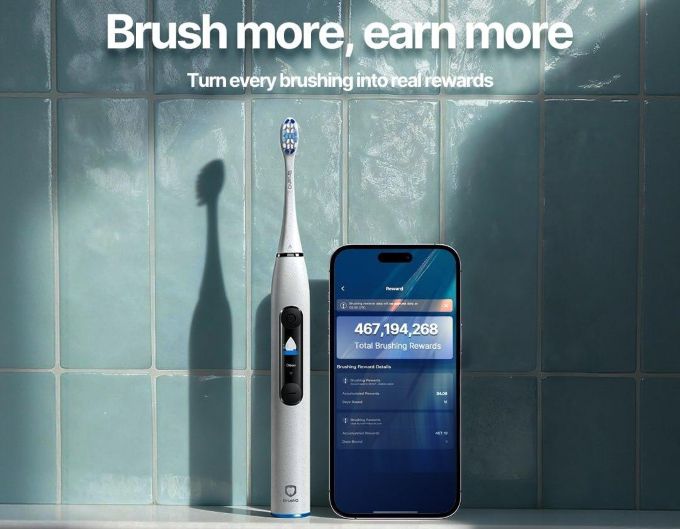
Plus, BrushO’s app integration tracks usage, technique, and rewards good habits through the Brush & Earn program, making it ideal for tech-savvy households.
Toothbrush mix-ups are more than an inconvenience—they’re a hygiene risk. BrushO’s intuitive light-based personalization solves this problem elegantly, while adding pressure guidance and brushing analytics to the mix.
No more confusion. No more wrong brushes. Just clean, smart, personalized brushing for everyone in your home.
BrushO is a next-generation smart toothbrush brand that blends AI technology, real-time feedback, and innovative design to make daily brushing more effective, personalized, and rewarding. From pressure-sensing features to family-friendly design and app integration, BrushO is redefining what modern oral care can be.
Jul 30
Jul 30
Jul 29
Jul 22
Jul 19
Jul 17

Hyperdontia is the presence of one or more teeth in excess of the normal dental formula, and the resulting teeth are described as supernumerary. The condition is common enough to appear in routine practice but variable enough in presentation that the decision to intervene is rarely straightforwar...

Few patients complete orthodontic treatment without asking whether their teeth will move back. The honest answer is that they will, to some degree, in the majority of cases. Relapse is not a failure of treatment but a predictable biological response, and understanding why it happens is the basis ...

The mandible is the largest and most frequently fractured bone of the facial skeleton, and its management sits at the interface between trauma surgery and restorative dentistry. Treatment has shifted over four decades from prolonged maxillomandibular fixation towards rigid internal fixation with ...

Chronic liver disease affects hundreds of millions of people worldwide, and its prevalence continues to rise with the epidemic of metabolic liver disease. The liver is central to haemostasis, drug metabolism and immune competence, and its failure therefore alters the risk profile of almost every ...

Excessive gingival display, commonly described as a gummy smile, is one of the most frequent aesthetic concerns presented to dental practitioners. The condition is not a single entity but a clinical presentation that can arise from skeletal, gingival, muscular or dental factors, and the treatment...

Drug-induced gingival overgrowth is a well-recognised adverse effect of several widely prescribed medications, and it remains one of the most common drug-related findings in periodontal practice. The condition produces firm, fibrous enlargement of the gingiva that can interfere with speech, masti...

Denture stomatitis is an inflammatory condition of the denture-bearing mucosa that affects a large proportion of removable prosthesis wearers, yet it is frequently dismissed as a cosmetic annoyance. The condition is driven by a Candida biofilm on the fitting surface of the prosthesis, and it is m...

Chronic kidney disease affects an estimated 850 million people worldwide, and the number of patients surviving on dialysis or with a renal transplant continues to rise. These patients carry an oral disease burden that is substantially higher than that of the general population, and their medical ...

Angular cheilitis is an inflammatory lesion of the labial commissures that presents with erythema, fissuring and crusting at the corners of the mouth. It is one of the most common conditions encountered in general dental practice, yet it is frequently treated as a simple fungal infection and allo...

Adverse reactions to dental materials are uncommon but they are not rare, and they are frequently misdiagnosed because the oral mucosa responds to allergens in a limited number of ways. A burning sensation, a persistent ulcer or an unexplained area of erythema may all represent a hypersensitivity...

Die BrushO KI-Elektrozahnbürste bietet Echtzeit-Anleitung, Druckfeedback, Abdeckungsverfolgung und Fortschrittsberichte in der App für eine sauberere tägliche Routine.
Die BrushO KI-Elektrozahnbürste bietet Echtzeit-Anleitung, Druckfeedback, Abdeckungsverfolgung und Fortschrittsberichte in der App für eine sauberere tägliche Routine.


Address: RM 1427, 14/F RADIO CITY 505, HENNESSY RD CAUSEWAY BAY, HONG KONG
Code: 000000
Phone: +852-53758652
Email: customerservice@brusho.com