
Jul 30
Jul 30
Jul 29
Jul 22
Jul 19
Jul 17
Chronic gum inflammation is far more than a localized oral issue — it is a persistent immune challenge that places stress on the entire body. When gum tissue remains inflamed, the immune system must continuously respond to bacterial invasion, triggering systemic inflammation and weakening immune resilience over time. This article explores the biological mechanisms behind periodontal inflammation, its immune costs, and how precision oral care supported by AI-guided brushing can reduce inflammatory burden and protect long-term health.
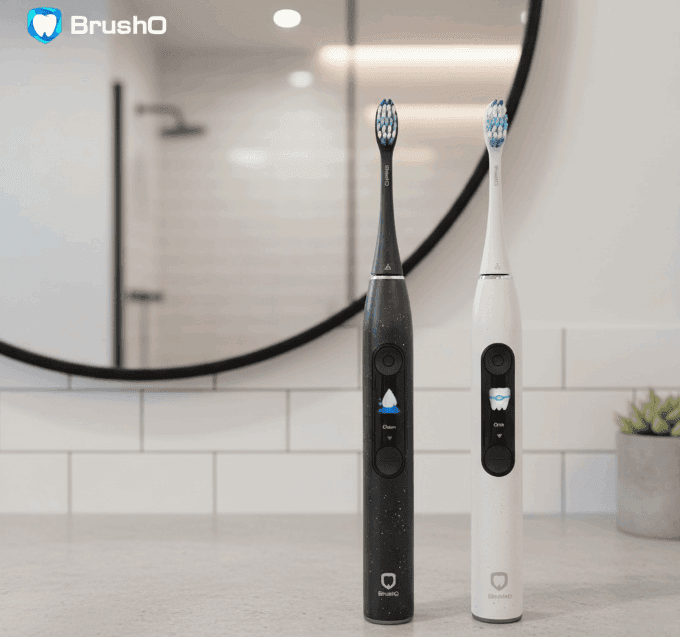
Gum inflammation — medically referred to as gingivitis or periodontitis — occurs when plaque bacteria accumulate along the gumline and trigger an immune response. While early inflammation may seem minor, chronic exposure leads to sustained immune activation.
Unlike temporary inflammation, chronic gum inflammation:
• Persists for months or years
• Continuously stimulates immune defense
• Damages surrounding tissues
• Creates systemic inflammatory signaling
The immune system is not designed for constant activation. Long-term stimulation comes at a biological cost.
Inflamed gums release inflammatory mediators that signal immune cells to remain active. This ongoing response diverts immune resources away from other protective functions.
Oral bacteria and inflammatory molecules can enter circulation, elevating whole-body inflammation markers. This contributes to immune fatigue and reduced resilience.
The immune system must constantly repair damaged gum tissue, consuming metabolic and cellular resources that would otherwise support healing elsewhere.
Research increasingly links periodontal inflammation with broader health outcomes, including:
• Cardiovascular complications
• Metabolic imbalance
• Elevated inflammatory load
• Reduced infection resistance
• Slower recovery from illness
While gum disease is not always the root cause, it is a measurable contributor to immune stress.
The gumline is where plaque biofilm accumulates most aggressively. Unfortunately, it is also the area most frequently missed during brushing.
Incomplete cleaning leads to:
• Persistent bacterial colonies
• Micro-injury to gum tissue
• Recurrent inflammation cycles
This is why technique — not just frequency — determines immune impact.
AI-guided oral care technology helps eliminate inflammation triggers at their source.
BrushO Provides
Prevents aggressive brushing that worsens inflammation
Ensures full gumline cleaning
Identifies missed areas contributing to inflammation
Gentle settings for sensitive or inflamed gums
By improving plaque removal consistency, BrushO reduces microbial triggers that stimulate immune stress.
Evidence-based strategies include:
• Thorough twice-daily brushing
• Daily interdental cleaning
• Balanced nutrition
• Hydration for saliva support
• Professional dental evaluations
• Smart feedback-guided brushing
Small daily improvements dramatically lower the inflammatory burden.
Chronic gum inflammation is not merely a dental inconvenience — it is an ongoing immune cost that affects whole-body health. Persistent oral inflammation keeps immune defenses engaged, reduces resilience, and contributes to systemic stress. Through precise plaque control and real-time guidance, smart oral care tools like BrushO help eliminate inflammation triggers before they become chronic. Protecting your gums ultimately protects your immune strength, longevity, and overall wellness.
Jul 30
Jul 30
Jul 29
Jul 22
Jul 19
Jul 17

Missed molars often do not show up as a single obvious bad session. They appear as a repeated weekly pattern of shortened posterior coverage, rushed transitions, or one-sided neglect. Weekly trend review makes those back-tooth habits visible early enough to fix calmly.

Sparkling water can look harmless at night because it has no sugar, but the fizz and acidity can keep teeth in a lower-pH environment longer when saliva is already slowing down. The practical issue is timing, frequency, and what else happens before bed.

A sore throat often changes how people swallow, breathe, hydrate, and clean the mouth, and those shifts can leave the tongue feeling rougher and more coated. The coating is usually a sign that saliva flow, debris clearance, and daily cleaning have become less efficient.

Tiny seed shells can slide into irritated gum margins and stay there longer than people expect, especially when the tissue is already puffy. The discomfort often looks mysterious at first, but the pattern is usually very local and very mechanical.

Root surfaces never begin with enamel. They are protected by cementum, which is softer and more vulnerable when gum recession exposes it to brushing pressure, dryness, and acid. That material difference explains why exposed roots can feel sensitive and wear faster.

Morning mints can cover dry breath for a few minutes, but they do not fix the low saliva pattern that often caused the odor in the first place. When dryness keeps returning, the smarter move is to notice the whole morning mouth pattern rather than chase it with stronger flavor.

Molar fissures look like tiny surface lines, but their narrow shape can trap plaque, sugars, softened starches, and acids deeper than the eye can judge. The real challenge is that back tooth grooves can stay active between brushings even when the chewing surface appears clean.

Evening brushing often becomes rushed by fatigue, distractions, and the false sense that the day is already over. Live zone prompts help by guiding attention through the mouth in real time, keeping timing, coverage, and pressure from drifting when self-monitoring is weakest.

Chewy vitamins can look harmless because they are sold as part of a health routine, but their sticky texture and sugar content can linger in molar grooves long after swallowing. The cavity issue is usually about retention time, bedtime timing, and repeated contact on hard to clean back teeth.

Accessory canals are tiny side pathways branching from the main root canal system, and they help explain why irritation inside a tooth does not stay confined to one straight line. When inflammation reaches these routes, discomfort can spread into nearby ligament or bone in less obvious patterns.

সবাই যেন নিজের মতো করে গড়তে পারে – এমনভাবে দ্রুত ও কম খরচে ওরাল হেলথ ডেটা নেটওয়ার্ক তৈরি করুন।
সবাই যেন নিজের মতো করে গড়তে পারে – এমনভাবে দ্রুত ও কম খরচে ওরাল হেলথ ডেটা নেটওয়ার্ক তৈরি করুন।


Address: RM 1427, 14/F RADIO CITY 505, HENNESSY RD CAUSEWAY BAY, HONG KONG
Code: 000000
Phone: +852-53758652
Email: customerservice@brusho.com