
Jul 30
Jul 30
Jul 29
Jul 22
Jul 19
Jul 17
Chronic gum inflammation is far more than a localized oral issue — it is a persistent immune challenge that places stress on the entire body. When gum tissue remains inflamed, the immune system must continuously respond to bacterial invasion, triggering systemic inflammation and weakening immune resilience over time. This article explores the biological mechanisms behind periodontal inflammation, its immune costs, and how precision oral care supported by AI-guided brushing can reduce inflammatory burden and protect long-term health.
Gum inflammation — medically referred to as gingivitis or periodontitis — occurs when plaque bacteria accumulate along the gumline and trigger an immune response. While early inflammation may seem minor, chronic exposure leads to sustained immune activation.
Unlike temporary inflammation, chronic gum inflammation:
• Persists for months or years
• Continuously stimulates immune defense
• Damages surrounding tissues
• Creates systemic inflammatory signaling
The immune system is not designed for constant activation. Long-term stimulation comes at a biological cost.
Inflamed gums release inflammatory mediators that signal immune cells to remain active. This ongoing response diverts immune resources away from other protective functions.
Oral bacteria and inflammatory molecules can enter circulation, elevating whole-body inflammation markers. This contributes to immune fatigue and reduced resilience.
The immune system must constantly repair damaged gum tissue, consuming metabolic and cellular resources that would otherwise support healing elsewhere.
Research increasingly links periodontal inflammation with broader health outcomes, including:
• Cardiovascular complications
• Metabolic imbalance
• Elevated inflammatory load
• Reduced infection resistance
• Slower recovery from illness
While gum disease is not always the root cause, it is a measurable contributor to immune stress.
The gumline is where plaque biofilm accumulates most aggressively. Unfortunately, it is also the area most frequently missed during brushing.
Incomplete cleaning leads to:
• Persistent bacterial colonies
• Micro-injury to gum tissue
• Recurrent inflammation cycles
This is why technique — not just frequency — determines immune impact.
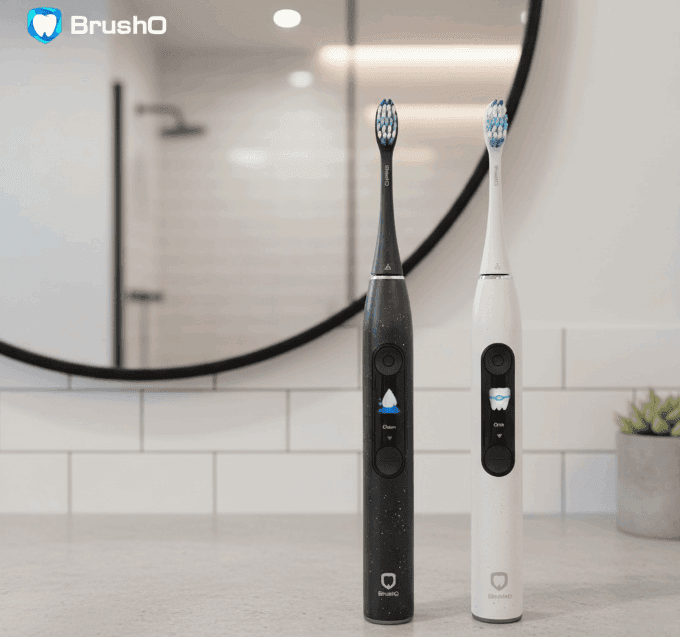
AI-guided oral care technology helps eliminate inflammation triggers at their source.
BrushO Provides
Prevents aggressive brushing that worsens inflammation
Ensures full gumline cleaning
Identifies missed areas contributing to inflammation
Gentle settings for sensitive or inflamed gums
By improving plaque removal consistency, BrushO reduces microbial triggers that stimulate immune stress.
Evidence-based strategies include:
• Thorough twice-daily brushing
• Daily interdental cleaning
• Balanced nutrition
• Hydration for saliva support
• Professional dental evaluations
• Smart feedback-guided brushing
Small daily improvements dramatically lower the inflammatory burden.
Chronic gum inflammation is not merely a dental inconvenience — it is an ongoing immune cost that affects whole-body health. Persistent oral inflammation keeps immune defenses engaged, reduces resilience, and contributes to systemic stress. Through precise plaque control and real-time guidance, smart oral care tools like BrushO help eliminate inflammation triggers before they become chronic. Protecting your gums ultimately protects your immune strength, longevity, and overall wellness.
Jul 30
Jul 30
Jul 29
Jul 22
Jul 19
Jul 17

Hyperdontia is the presence of one or more teeth in excess of the normal dental formula, and the resulting teeth are described as supernumerary. The condition is common enough to appear in routine practice but variable enough in presentation that the decision to intervene is rarely straightforwar...

Few patients complete orthodontic treatment without asking whether their teeth will move back. The honest answer is that they will, to some degree, in the majority of cases. Relapse is not a failure of treatment but a predictable biological response, and understanding why it happens is the basis ...

The mandible is the largest and most frequently fractured bone of the facial skeleton, and its management sits at the interface between trauma surgery and restorative dentistry. Treatment has shifted over four decades from prolonged maxillomandibular fixation towards rigid internal fixation with ...

Chronic liver disease affects hundreds of millions of people worldwide, and its prevalence continues to rise with the epidemic of metabolic liver disease. The liver is central to haemostasis, drug metabolism and immune competence, and its failure therefore alters the risk profile of almost every ...

Excessive gingival display, commonly described as a gummy smile, is one of the most frequent aesthetic concerns presented to dental practitioners. The condition is not a single entity but a clinical presentation that can arise from skeletal, gingival, muscular or dental factors, and the treatment...

Drug-induced gingival overgrowth is a well-recognised adverse effect of several widely prescribed medications, and it remains one of the most common drug-related findings in periodontal practice. The condition produces firm, fibrous enlargement of the gingiva that can interfere with speech, masti...

Denture stomatitis is an inflammatory condition of the denture-bearing mucosa that affects a large proportion of removable prosthesis wearers, yet it is frequently dismissed as a cosmetic annoyance. The condition is driven by a Candida biofilm on the fitting surface of the prosthesis, and it is m...

Chronic kidney disease affects an estimated 850 million people worldwide, and the number of patients surviving on dialysis or with a renal transplant continues to rise. These patients carry an oral disease burden that is substantially higher than that of the general population, and their medical ...

Angular cheilitis is an inflammatory lesion of the labial commissures that presents with erythema, fissuring and crusting at the corners of the mouth. It is one of the most common conditions encountered in general dental practice, yet it is frequently treated as a simple fungal infection and allo...

Adverse reactions to dental materials are uncommon but they are not rare, and they are frequently misdiagnosed because the oral mucosa responds to allergens in a limited number of ways. A burning sensation, a persistent ulcer or an unexplained area of erythema may all represent a hypersensitivity...

BrushO AI Electric Toothbrush offers real-time brushing guidance, pressure feedback, coverage tracking, and app-based progress reports for a cleaner daily routine.
BrushO AI Electric Toothbrush offers real-time brushing guidance, pressure feedback, coverage tracking, and app-based progress reports for a cleaner daily routine.


Address: RM 1427, 14/F RADIO CITY 505, HENNESSY RD CAUSEWAY BAY, HONG KONG
Code: 000000
Phone: +852-53758652
Email: customerservice@brusho.com