
Jul 30
Jul 30
Jul 29
Jul 22
Jul 19
Jul 17
While most athletes focus on strength, endurance, and diet, few consider how their oral health impacts performance. From dry mouth caused by dehydration to enamel erosion from energy drinks, athletes face hidden dental challenges that can affect not only their teeth but also their overall performance. This article explores why athletes need to be extra cautious with their dental care, and how smart solutions like BrushO’s AI-guided brushing system can help maintain peak oral health on and off the field.
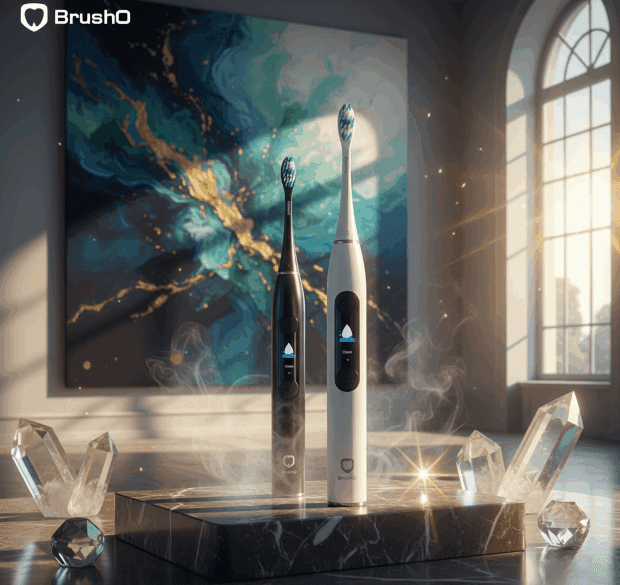
During intense training or long workouts, athletes tend to become dehydrated—reducing saliva flow, which is your mouth’s natural defense against bacteria and acids. A dry mouth increases the risk of:
• Tooth decay
• Bad breath
• Gum inflammation
💡 BrushO Insight: Our brushing report reminds users when their enamel may be more vulnerable and suggests hydration tips in the app.
Many athletes rely on sports drinks, energy gels, or protein bars for fuel—but these are often acidic or high in sugar, which:
• Erode enamel over time
• Feed harmful oral bacteria
• Lead to cavities if not cleaned promptly
Using BrushO’s 6-zone, 16-surface coverage system, athletes can ensure they remove residue from hard-to-reach areas even after consuming sticky or sugary supplements.
During strenuous activity, many athletes breathe through their mouths, which:
• Dries out the mouth even more
• Promotes plaque buildup
• Can irritate the gums
Wearing a mouthguard—especially if unclean—can trap bacteria and lead to oral infections.
💡 Pro Tip: Use BrushO’s smart brushing reminders before and after training to protect your enamel and reduce bacterial load.
Poor oral health can cause chronic low-grade inflammation, which may:
• Slow muscle recovery
• Disrupt sleep
• Weaken immune response
Studies have linked gum disease to increased systemic inflammation—something no athlete can afford.
BrushO’s AI brushing assistant ensures:
• Full-mouth coverage in every session
• Personalized brushing plans for athletes with dietary habits and training loads
• Real-time feedback on pressure, duration, and technique
Hydration isn’t just for muscles—saliva is critical to keep teeth protected.
Use antiseptic solutions and store guards properly to avoid bacterial buildup.
Balance energy needs with oral safety. Choose low-sugar, enamel-friendly snacks when possible.
Athletes should see a dentist every 6 months, or more often if they consume lots of supplements or wear gear in the mouth.
Neglecting oral health doesn’t just lead to cavities—it can undermine your athletic performance and recovery. With tools like BrushO, you can integrate smarter habits without changing your routine. Your body works hard. Your mouth should too.
Jul 30
Jul 30
Jul 29
Jul 22
Jul 19
Jul 17

Coffee and red wine are two of the most common causes of teeth staining, and the stains they leave behind are often considered a cosmetic nuisance rather than a dental health issue. However, these extrinsic stains can make teeth look dull, yellow or brown, and they can affect a person's confidenc...

Mouth sores and ulcers are common oral health issues that can cause significant discomfort and pain. These lesions can affect eating, speaking, and overall quality of life, and understanding their healing times and treatment options can help patients manage them effectively. From common canker so...

X-ray imaging has been the gold standard for detecting cavities for decades, but laser-based technologies now offer a different approach to finding tooth decay. Laser cavity detection uses fluorescence and laser light to identify changes in tooth structure before they appear on an x-ray, and unde...

Facial furrows are not just a cosmetic concern, they are visible markers of the way skin ages and how it responds to dehydration. Dry skin is one of the most common contributors to early and deepening facial lines, and understanding the underlying causes helps explain why certain areas of the fac...

Grinding or clenching the teeth at night, known as bruxism, is more than a dental issue. The muscles that close the jaw are among the strongest in the body, and their chronic overactivation can trigger headaches, ear pain, facial discomfort and disrupted sleep. The connection between bruxism and ...

Decortication, the deliberate removal of a cortical plate to expose or to decompress the tissue beneath it, appears in oral surgery under several names and in several contexts, from transalveolar extraction of a deeply impacted third molar to alveoloplasty of an irregular ridge and to decompressi...

Lichenoid lesions of the oral mucosa present a diagnostic problem before they present a therapeutic one, because the same white reticulated pattern can represent idiopathic oral lichen planus, a contact reaction to a restoration, a drug eruption, or an entirely benign variation such as leukoedema...

Bone in the adult jaw is never quiescent. Roughly 10 percent of the human skeleton is replaced every year, and the alveolar process turns over faster than most skeletal sites because it is loaded intermittently by mastication and by the forces transmitted through the periodontal ligament. The ost...

Root canal treatment succeeds or fails at the interface between the filling material and the dentin wall, and no material has changed that interface more in the past two decades than the calcium silicate bioceramic sealer. These materials descend from Portland cement, set in the presence of moist...

Ameloblastoma is the most common clinically significant odontogenic tumor, and its behaviour is defined less by its ability to spread than by its tendency to return after apparently complete removal. Conservative surgery preserves function and facial contour, and decortication is the procedure mo...

BrushO AI Electric Toothbrush offers real-time brushing guidance, pressure feedback, coverage tracking, and app-based progress reports for a cleaner daily routine.
BrushO AI Electric Toothbrush offers real-time brushing guidance, pressure feedback, coverage tracking, and app-based progress reports for a cleaner daily routine.


Address: RM 1427, 14/F RADIO CITY 505, HENNESSY RD CAUSEWAY BAY, HONG KONG
Code: 000000
Phone: +852-53758652
Email: customerservice@brusho.com