
Jul 30
Jul 30
Jul 29
Jul 22
Jul 19
Jul 17
Let’s face it—oral care isn’t what it used to be. Gone are the days of brushing with basic plastic toothbrushes and hoping for the best. In 2025, your oral care routine can be smarter, faster, and far more effective with the right strategy and tools. Whether you’re aiming for a whiter smile, healthier gums, or just fewer dentist visits, a modern oral hygiene routine can make all the difference.
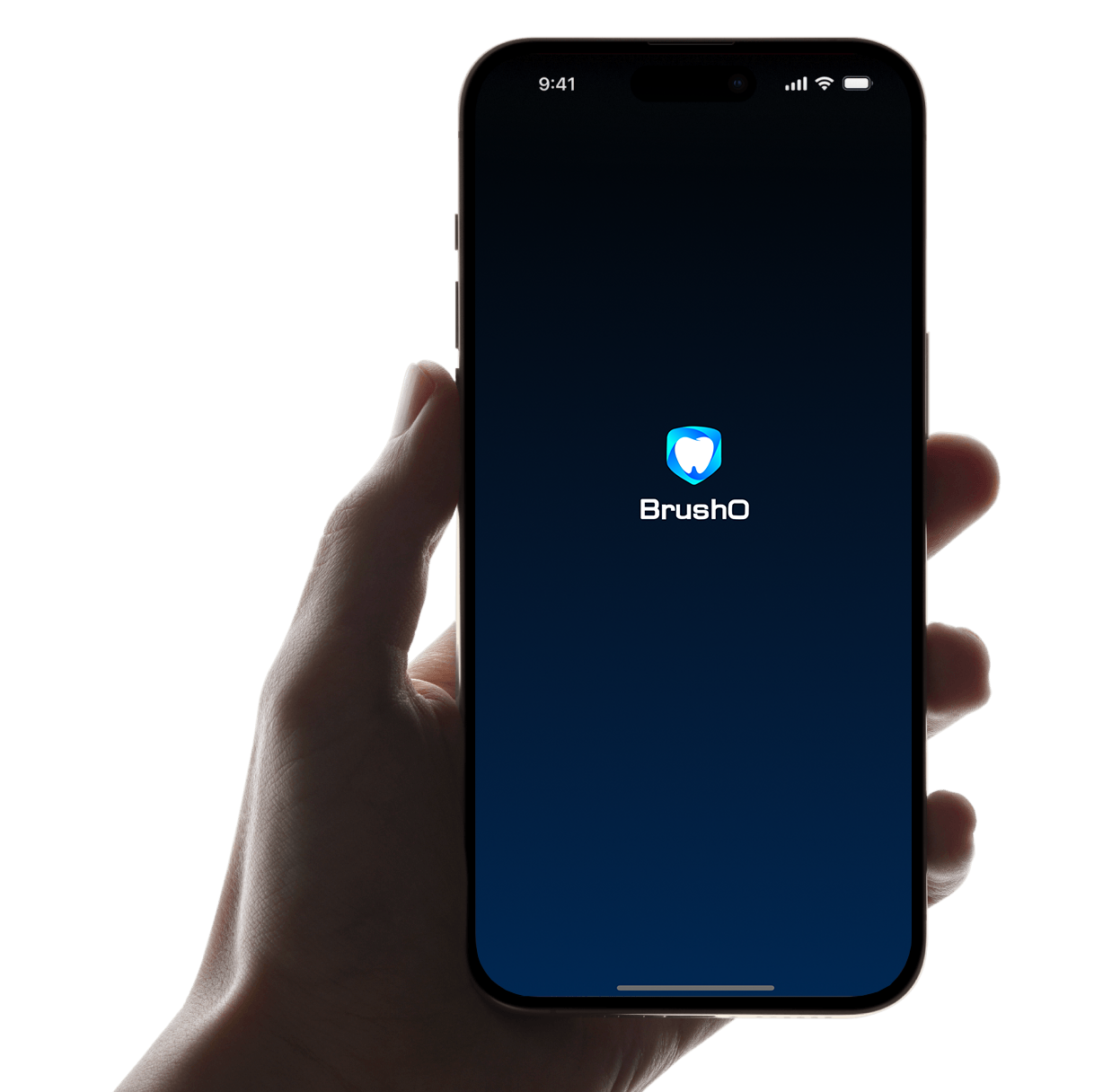
Keyword: Smart Toothbrush 2025
If you’re still using a manual toothbrush, it’s time to switch. A smart toothbrush is no longer a luxury—it’s a game-changer.
Smart toothbrushes like BrushO use AI technology to:
Detect missed zones in real-time
Adjust pressure to avoid damaging gums
Track your brushing habits over time
Offer guided routines based on your needs
BrushO features 11 brushing modes, a 40-day battery life, and full app integration to help you brush smarter—not harder.
No matter what brush you use, time matters. The American Dental Association recommends brushing for two minutes, twice a day.
Set your routine with your smart toothbrush timer, or use your favorite song as a guide. BrushO’s built-in timer splits your session into 4 zones to make sure no spot is missed. ⏳
Keyword: Best Oral Care Routine
Flossing is non-negotiable. But in 2025, it doesn’t have to be uncomfortable.
Water flossers with pressure control
Smart floss reminders integrated into apps
Silicone flossers for sensitive gums
✨ BrushO’s app lets you log your flossing routine for tracking and habit-building.
Keyword: Daily Oral Routine
Mouthwash isn’t just about fresh breath—it reduces plaque and kills bacteria in hard-to-reach areas.
Alcohol-free formulas are gentler
Anti-gingivitis options help with gum care
Fluoride mouthwashes support enamel strength
🌀 Rinse once daily after brushing and flossing for best results.
Keyword: Personalized Oral Health
Every mouth is different. In 2025, customization is king.
Choose from sensitive, deep clean, gum care, or whitening modes
Adjust based on dental needs, braces, or implants
Sync with dental care providers for feedback (coming soon!)
🎯 BrushO uses brushing analytics and behavioral trends to offer personalized feedback for optimal care.
Keyword: Oral Health and Diet
Your diet plays a huge role in your oral health.
Sugary drinks and snacks 🍬
Acidic sodas 🍹
Sticky foods like caramel or dried fruit
Crunchy fruits and vegetables 🥕🍎
Calcium-rich foods like cheese 🧀
Water with fluoride 💧
A balanced diet strengthens enamel and reduces cavity risks.
Keyword: Preventive Dental Care
Even with the best at-home care, professional cleanings are essential.
A checkup every 6 months
Extra visits if you have gum issues, implants, or braces
🦷 Many smart brush users, including those with BrushO, report fewer issues between visits—thanks to better habits and improved monitoring.
Keyword: Oral Care Privacy
Your data is valuable—even brushing data.
With BrushO’s privacy-first platform, you:
Control where your brushing data goes
Get brushing reports without sharing personal details
Soon: Opt-in to Oral Health ID rewards for health data (100% optional!)
🛡️ Smart oral care means smart privacy, too.
|
Time of Day |
What to Do |
|
Morning |
Brush (2 min) + Rinse + Optional tongue cleaning |
|
Afternoon |
Quick rinse or chew xylitol gum |
|
Evening |
Brush (2 min) + Floss + Mouthwash |
✨Tip: Use the BrushO app for habit tracking and brushing score improvement.
Keyword: BrushO Smart Toothbrush
In 2025, the perfect oral care routine isn’t just about brushing and flossing—it’s about brushing smarter, personalizing your care, and using tech to your advantage.
With a smart toothbrush like BrushO, you get:
✅ Real-time feedback
✅ Personalized modes
✅ Long-term oral health tracking
✅ Privacy-first control over your data
So stop brushing in the dark. Light up your oral care routine with AI, data, and precision—because your smile deserves nothing less.
📲 Learn more: www.brusho.com
👥 Join our community: t.me/BrushOcommunity
🛒 Try it now: AI-Powered + 40-day battery + 11 modes + IPX7 Waterproof
Aug 6
Jul 30
Jul 30
Jul 30
Jul 29
Jul 22
Jul 19
Jul 17

Hyperdontia is the presence of one or more teeth in excess of the normal dental formula, and the resulting teeth are described as supernumerary. The condition is common enough to appear in routine practice but variable enough in presentation that the decision to intervene is rarely straightforwar...

Few patients complete orthodontic treatment without asking whether their teeth will move back. The honest answer is that they will, to some degree, in the majority of cases. Relapse is not a failure of treatment but a predictable biological response, and understanding why it happens is the basis ...

The mandible is the largest and most frequently fractured bone of the facial skeleton, and its management sits at the interface between trauma surgery and restorative dentistry. Treatment has shifted over four decades from prolonged maxillomandibular fixation towards rigid internal fixation with ...

Chronic liver disease affects hundreds of millions of people worldwide, and its prevalence continues to rise with the epidemic of metabolic liver disease. The liver is central to haemostasis, drug metabolism and immune competence, and its failure therefore alters the risk profile of almost every ...

Excessive gingival display, commonly described as a gummy smile, is one of the most frequent aesthetic concerns presented to dental practitioners. The condition is not a single entity but a clinical presentation that can arise from skeletal, gingival, muscular or dental factors, and the treatment...

Drug-induced gingival overgrowth is a well-recognised adverse effect of several widely prescribed medications, and it remains one of the most common drug-related findings in periodontal practice. The condition produces firm, fibrous enlargement of the gingiva that can interfere with speech, masti...

Denture stomatitis is an inflammatory condition of the denture-bearing mucosa that affects a large proportion of removable prosthesis wearers, yet it is frequently dismissed as a cosmetic annoyance. The condition is driven by a Candida biofilm on the fitting surface of the prosthesis, and it is m...

Chronic kidney disease affects an estimated 850 million people worldwide, and the number of patients surviving on dialysis or with a renal transplant continues to rise. These patients carry an oral disease burden that is substantially higher than that of the general population, and their medical ...

Angular cheilitis is an inflammatory lesion of the labial commissures that presents with erythema, fissuring and crusting at the corners of the mouth. It is one of the most common conditions encountered in general dental practice, yet it is frequently treated as a simple fungal infection and allo...

Adverse reactions to dental materials are uncommon but they are not rare, and they are frequently misdiagnosed because the oral mucosa responds to allergens in a limited number of ways. A burning sensation, a persistent ulcer or an unexplained area of erythema may all represent a hypersensitivity...

Bàn chải điện BrushO AI cung cấp hướng dẫn chải răng theo thời gian thực, phản hồi lực nhấn, theo dõi vùng chải và báo cáo tiến độ trong ứng dụng cho thói quen hằng ngày sạch hơn.
Bàn chải điện BrushO AI cung cấp hướng dẫn chải răng theo thời gian thực, phản hồi lực nhấn, theo dõi vùng chải và báo cáo tiến độ trong ứng dụng cho thói quen hằng ngày sạch hơn.


Address: RM 1427, 14/F RADIO CITY 505, HENNESSY RD CAUSEWAY BAY, HONG KONG
Code: 000000
Phone: +852-53758652
Email: customerservice@brusho.com