
Jul 30
Jul 30
Jul 29
Jul 22
Jul 19
Jul 17
Your gums do more than hold your teeth in place—they’re an early warning system for your overall health. In particular, the state of your gum tissue can provide powerful clues about your immune function. Inflammation, bleeding, and gum recession may indicate more than just poor brushing—they could signal immune stress or chronic inflammation. Discover how your gums reveal your internal defenses and how effective brushing habits, combined with tools like BrushO, can enhance both your smile and immunity.
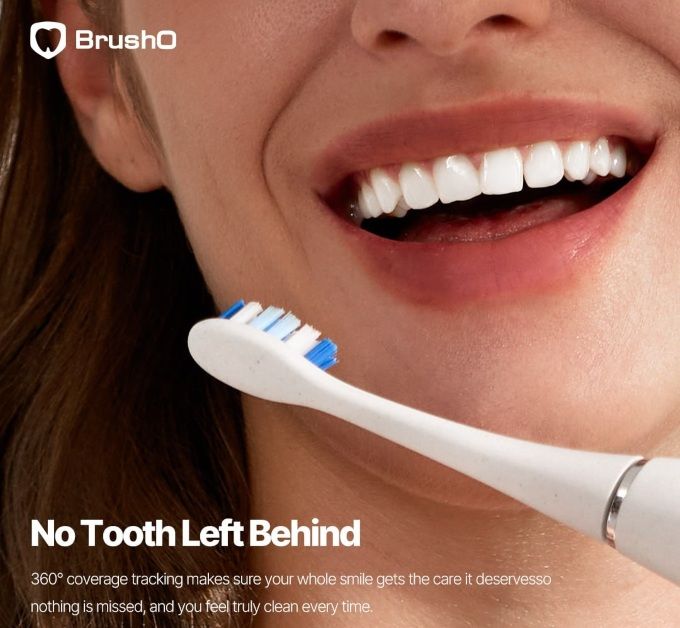
Your gums are part of the mucosal immune system, which serves as the body’s first line of defense against pathogens. When harmful bacteria build up in the mouth, your immune system responds. But if the system is overactive or weakened, gum tissue may suffer.
Persistent gum swelling, redness, or tenderness often reflects underlying inflammation. While it may start locally (due to plaque or poor hygiene), it can signal a system-wide inflammatory state tied to:
• Chronic stress
• Autoimmune diseases
• Nutritional deficiencies
• Hormonal imbalances
If your gums bleed during brushing or flossing, your immune system may be struggling to repair damaged tissue or respond effectively to bacteria. Frequent bleeding may also hint at:
• Vitamin C or D deficiency
• Overactive immune response
• Poor blood clotting
Advanced gum disease (periodontitis) isn’t just a local issue. Research links it to serious conditions like:
• Diabetes
• Cardiovascular disease
• Rheumatoid arthritis
• Respiratory infections
These links exist because inflamed gums can allow bacteria to enter the bloodstream, triggering immune reactions throughout the body.
Maintaining healthy gums isn’t just about keeping your teeth in place—it’s a way to actively support your body’s immune defenses. BrushO’s AI technology helps identify and prevent early signs of immune imbalance in the gums.
BrushO’s AI-guided brushing ensures you don’t miss high-risk zones like the gumline. Proper gumline cleaning reduces inflammation triggers and improves local immunity.
Too much pressure can damage sensitive gum tissue, while too little allows plaque to thrive. BrushO alerts you in real-time, helping preserve gum integrity and immune balance.
BrushO’s specialized gum care mode stimulates blood flow to the gums, encouraging tissue repair and a stronger immune response.
With the BrushO app, you can monitor your gum health over time. Consistent brushing is rewarded with $BRUSH tokens—reinforcing habits that keep your immune system supported.
Focus on where teeth meet gums, using gentle circular motions to reduce plaque and irritation.
This protects fragile gum tissue while still providing effective cleaning.
Floss reaches the tight gum pockets where bacteria hide and cause inflammation.
Saliva helps maintain immune defense in the mouth—drink plenty of water daily.
Bleeding, redness, or recession are early signs—don’t ignore them. Use the BrushO app to stay alert.
Your mouth is a window into your immune system. Keeping your gums healthy helps limit inflammation, reduce disease risk, and enhance overall resilience. By integrating smart brushing routines with BrushO, you’re not just caring for your smile—you’re investing in your long-term wellness.
Jul 30
Jul 30
Jul 29
Jul 22
Jul 19
Jul 17

Coffee and red wine are two of the most common causes of teeth staining, and the stains they leave behind are often considered a cosmetic nuisance rather than a dental health issue. However, these extrinsic stains can make teeth look dull, yellow or brown, and they can affect a person's confidenc...

Mouth sores and ulcers are common oral health issues that can cause significant discomfort and pain. These lesions can affect eating, speaking, and overall quality of life, and understanding their healing times and treatment options can help patients manage them effectively. From common canker so...

X-ray imaging has been the gold standard for detecting cavities for decades, but laser-based technologies now offer a different approach to finding tooth decay. Laser cavity detection uses fluorescence and laser light to identify changes in tooth structure before they appear on an x-ray, and unde...

Facial furrows are not just a cosmetic concern, they are visible markers of the way skin ages and how it responds to dehydration. Dry skin is one of the most common contributors to early and deepening facial lines, and understanding the underlying causes helps explain why certain areas of the fac...

Grinding or clenching the teeth at night, known as bruxism, is more than a dental issue. The muscles that close the jaw are among the strongest in the body, and their chronic overactivation can trigger headaches, ear pain, facial discomfort and disrupted sleep. The connection between bruxism and ...

Decortication, the deliberate removal of a cortical plate to expose or to decompress the tissue beneath it, appears in oral surgery under several names and in several contexts, from transalveolar extraction of a deeply impacted third molar to alveoloplasty of an irregular ridge and to decompressi...

Lichenoid lesions of the oral mucosa present a diagnostic problem before they present a therapeutic one, because the same white reticulated pattern can represent idiopathic oral lichen planus, a contact reaction to a restoration, a drug eruption, or an entirely benign variation such as leukoedema...

Bone in the adult jaw is never quiescent. Roughly 10 percent of the human skeleton is replaced every year, and the alveolar process turns over faster than most skeletal sites because it is loaded intermittently by mastication and by the forces transmitted through the periodontal ligament. The ost...

Root canal treatment succeeds or fails at the interface between the filling material and the dentin wall, and no material has changed that interface more in the past two decades than the calcium silicate bioceramic sealer. These materials descend from Portland cement, set in the presence of moist...

Ameloblastoma is the most common clinically significant odontogenic tumor, and its behaviour is defined less by its ability to spread than by its tendency to return after apparently complete removal. Conservative surgery preserves function and facial contour, and decortication is the procedure mo...

A escova elétrica BrushO com IA oferece orientação em tempo real, feedback de pressão, rastreamento de cobertura e relatórios de progresso no app para uma rotina diária mais limpa.
A escova elétrica BrushO com IA oferece orientação em tempo real, feedback de pressão, rastreamento de cobertura e relatórios de progresso no app para uma rotina diária mais limpa.


Address: RM 1427, 14/F RADIO CITY 505, HENNESSY RD CAUSEWAY BAY, HONG KONG
Code: 000000
Phone: +852-53758652
Email: customerservice@brusho.com