
Jul 30
Jul 30
Jul 29
Jul 22
Jul 19
Jul 17
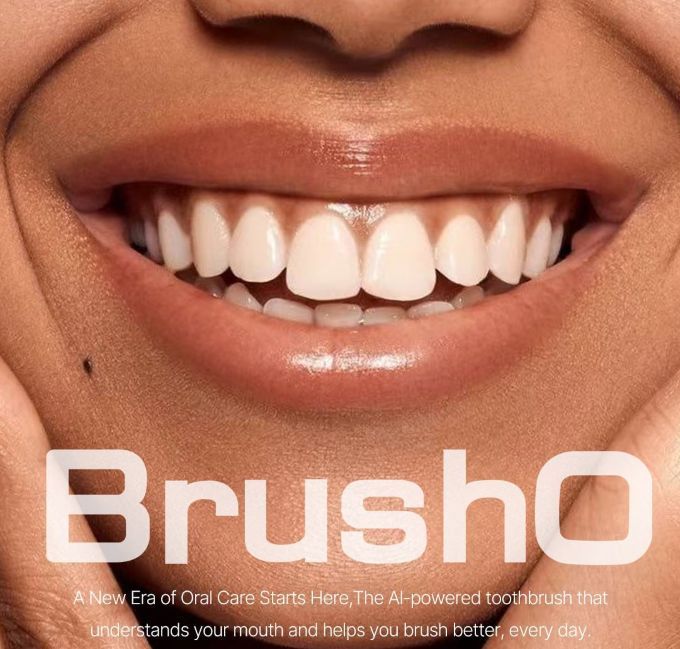
Your tongue does more than help you eat, speak, and taste — it’s also a mirror of your overall health. Changes in its color, shape, texture, or coating can reveal clues about hydration, nutrition, infections, and even underlying systemic issues. In this article, we’ll explore what different tongue appearances might mean and how maintaining oral hygiene (especially with tools like BrushO) can help you catch early signs of health problems.
A thin white coating is usually normal, especially in the morning. But if the coating is thick, patchy, or doesn’t brush away easily, it could indicate:
• Oral thrush (yeast infection)
• Dehydration or dry mouth
• Poor brushing habits
• Smoking-related buildup
✅ Tip: BrushO’s tongue-cleaning guidance and gentle gum care mode help clear residue and maintain tongue hygiene.
If your tongue looks unusually red, smooth, or swollen, it may be more than just irritation. A bright red tongue can be a sign of:
• Vitamin B12 or iron deficiency
• Scarlet fever (in kids)
• Hormonal changes
Pairing symptoms like fatigue or mouth sores with a red tongue is a good reason to talk to a healthcare provider.
A yellowish tongue is often caused by:
• Bacterial buildup
• Dry mouth or poor brushing
• Smoking
• Sometimes, liver or stomach issues
This is where smart brushing — especially with a toothbrush like BrushO that guides complete zone coverage and tongue care — makes a visible difference.
A black, brown, or “hairy” tongue may look alarming, but it’s often benign. It’s usually caused by:
• Excessive coffee or tobacco use
• Poor oral hygiene
• Certain antibiotics or medications
While not dangerous, it indicates that dead cells are accumulating, which can trap bacteria and cause bad breath.
Some people naturally have a fissured tongue, which has deep grooves or cracks. While usually harmless, it can trap food and bacteria, increasing the risk of:
• Halitosis (bad breath)
• Infections if not cleaned properly
Use a gentle brushing technique and a soft bristle mode (like BrushO’s Ultra-Gentle) to avoid irritation while keeping your tongue clean.
Small bumps or ulcers on the tongue may be due to:
• Biting injuries
• Canker sores
• Viral infections (like herpes)
• In rare cases, oral cancer
Any ulcer lasting more than two weeks should be examined by a dentist or doctor.
Your tongue deserves the same care as your teeth and gums. Here’s how to support tongue health every day:
Use a smart toothbrush like BrushO that supports tongue-cleaning guidance to gently remove buildup without damaging tissue.
Dry mouth = bacterial growth. Drink enough water and avoid mouth breathing during sleep.
Brush twice daily using pressure-controlled AI brushing, like BrushO offers, to clean the entire mouth effectively.
If your tongue changes color, texture, or becomes painful, don’t ignore it. Get a professional opinion early.
Your tongue can reveal more than you think — from vitamin deficiencies to signs of poor brushing or oral infections. Taking a moment to inspect it daily can help you catch early warning signs of both oral and general health issues. With BrushO’s smart coverage tracking, pressure alerts, and tongue-cleaning guidance, you’re equipped to take control of your whole mouth — not just your teeth.
BrushO is an AI-powered smart toothbrush designed to transform daily brushing into a fully guided, habit-forming experience. With pressure sensors, zone-specific feedback, brushing scores, and heatmaps, BrushO helps users brush smarter — including their tongue, for a fresher, healthier mouth.
Jul 30
Jul 30
Jul 29
Jul 22
Jul 19
Jul 17

Trigeminal neuralgia (TN), also known as tic douloureux, is a chronic orofacial pain disorder characterized by recurrent, unilateral, brief, electric shock-like pain in the distribution of one or more divisions of the trigeminal nerve. It is widely regarded as one of the most severe pain conditions

Tooth whitening has become one of the most sought-after elective dental procedures worldwide. With increasing emphasis on facial aesthetics, a bright, white smile is now widely perceived as a marker of health, youth, and social confidence. This article provides a comprehensive review of contemporary

The edentulous posterior maxilla presents unique challenges for implant rehabilitation due to the pneumatization of the maxillary sinus and the progressive resorption of the alveolar ridge following tooth loss. Sinus floor elevation, or sinus lift surgery, is a predictable and well-documented surgic

Photodynamic therapy (PDT) is a minimally invasive therapeutic modality that combines a photosensitizing agent, light of a specific wavelength, and molecular oxygen to produce cytotoxic reactive oxygen species. Originally developed for oncological applications, PDT has been increasingly adopted in d

The introduction of temporary anchorage devices (TADs) has fundamentally transformed orthodontic treatment by providing skeletal anchorage that is independent of patient compliance. TADs, also known as mini-implants or miniscrews, enable tooth movements that were previously impossible or required co

Dental caries remains one of the most prevalent chronic diseases worldwide, disproportionately affecting children, elderly populations, and communities with limited access to conventional restorative care. The traditional restorative approach requires expensive equipment, cooperative patients, and m

Platelet-rich fibrin (PRF), a second-generation platelet concentrate, has emerged as one of the most widely adopted autologous biomaterials in contemporary dentistry and oral surgery. Developed by Dr. Joseph Choukroun and colleagues in France in 2001, PRF represents a conceptual evolution from first

The transition from conventional to digital impressions represents one of the most significant technological shifts in contemporary dentistry. Intraoral scanners (IOS) have evolved from experimental prototypes in the 1980s to sophisticated clinical instruments that now rival and, in several key metr

Gingival recession, defined as the apical migration of the gingival margin beyond the cementoenamel junction with exposure of the root surface, is a prevalent condition affecting a substantial proportion of the adult population. Epidemiological studies report that approximately 50% of adults exhibit

Cone beam computed tomography (CBCT) has revolutionized endodontic diagnosis and treatment planning by providing three-dimensional imaging that overcomes the inherent limitations of conventional periapical radiography. While two-dimensional radiographs remain the first-line imaging modality for endo

La brosse à dents électrique BrushO avec IA offre un guidage en temps réel, un retour sur la pression, un suivi de la couverture et des rapports de progression dans l’app pour une routine quotidienne plus propre.
La brosse à dents électrique BrushO avec IA offre un guidage en temps réel, un retour sur la pression, un suivi de la couverture et des rapports de progression dans l’app pour une routine quotidienne plus propre.


Address: RM 1427, 14/F RADIO CITY 505, HENNESSY RD CAUSEWAY BAY, HONG KONG
Code: 000000
Phone: +852-53758652
Email: customerservice@brusho.com