
Jul 30
Jul 30
Jul 29
Jul 22
Jul 19
Jul 17
In the digital age, dental care often takes a backseat to our fast-paced lifestyles. Whether it’s skipping a brushing session or being distracted while brushing, modern habits silently erode oral health over time. But by identifying these patterns—and adopting smart tools like BrushO—users can regain control of their brushing routine and protect their long-term dental wellness.
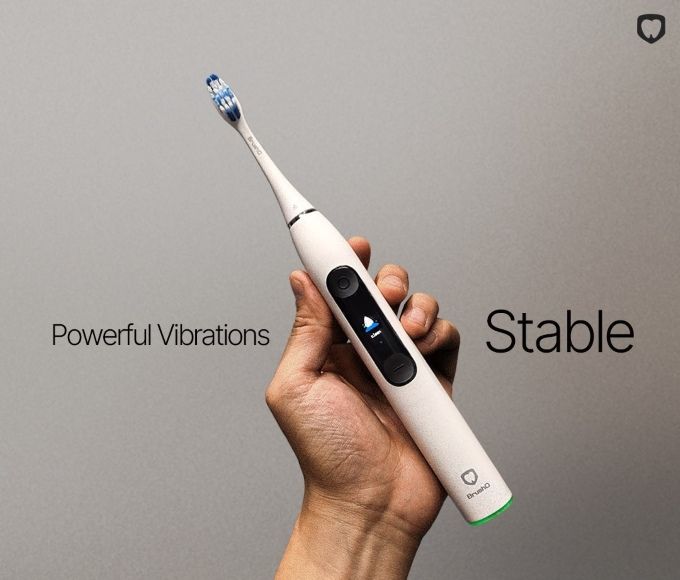
Life moves fast—early meetings, late-night emails, and endless to-dos. It’s no wonder brushing gets rushed or skipped altogether. But missing even one session regularly can cause:
• Plaque accumulation
• Gum inflammation
• Bad breath
• Increased risk of cavities
Modern efficiency often undermines brushing consistency. Good oral care doesn’t require long hours, but it does demand discipline and proper technique.
Smartphones and streaming services sneak into nearly every corner of our routines—including the bathroom. Many users scroll social media while brushing, leading to:
• Incomplete coverage
• Poor brushing angles
• Reduced focus and brushing time
Late-night screen time also delays bedtime, causing users to skip brushing out of fatigue. These small distractions, repeated daily, add up to significant oral health risks.
Today’s on-the-go diet culture adds another challenge:
• Frequent snacking on sugary or acidic foods (e.g., sodas, energy drinks)
• Irregular meals, which throw off brushing routines
• Forgotten rinsing or brushing after sticky snacks
Even with regular brushing, enamel can erode if the technique or timing is poor. Modern diets demand modern solutions.
Mental fatigue from work, social pressure, and digital overload leads many to overlook oral care. Research links high stress to:
• Decreased routine hygiene
• Reduced saliva production (which protects enamel naturally)
• Lower motivation to floss, rinse, or brush thoroughly
When mental bandwidth is low, brushing becomes a background task—and that’s when the damage happens.
To combat modern challenges, brushing routines need smart support. This is where AI toothbrushes like BrushO make a difference.
How BrushO Helps Modern Users:
Detects missed areas, excessive pressure, and insufficient duration.
Goes beyond the traditional 4-zone model for full coverage.
Switch between Sensitive, Deep Clean, or Whitening modes based on your unique oral needs.
Never forget to brush again with automatic reminders and brushing history synced to your phone.
Get rewarded for healthy habits—exchange tokens for brush heads or discounts.
Long battery life and smart brushing modes keep you on track even on the road.
When users align their oral care with their lifestyle using AI technology, they experience:
• Healthier gums
• Reduced dental issues
• Improved brushing consistency
• Fewer dental appointments
• Greater confidence in oral wellness
Rather than fighting the clock, users are empowered by smart tools that work with their habits—not against them.
BrushO is a cutting-edge AI-powered smart toothbrush designed for modern lives. It offers:
• AI-guided brushing with real-time correction
• Custom brushing modes for every need
• Brushing habit tracking via mobile app
• Gamified rewards through $BRUSH tokens
Whether you’re a busy professional, a tech-savvy health enthusiast, or always on the go, BrushO helps you build habits that last—for a healthier smile every day.
Jan 13
Jan 13
Jul 30
Jul 30
Jul 29
Jul 22
Jul 19
Jul 17

Thumb sucking and pacifier use are normal self-soothing behaviors in infancy, and most children give them up on their own by school age. The dental problem arises when the habit continues past the eruption of the permanent front teeth, because the persistent pressure reshapes the growing jaw and ...

Most people never think about the shape of their tooth roots, but root morphology determines how a tooth is treated when disease strikes. Taurodontism and dilaceration are two developmental anomalies that change root anatomy in distinctive ways, and both have major implications for endodontics, e...

Dental injuries are among the most common sports-related injuries, and a mouthguard is the simplest piece of equipment an athlete can wear. Yet many players still train without one, often because they have never been told which type to choose or how a well-fitted guard feels. Understanding the pr...

Piezoelectric surgery has changed the way oral surgeons cut bone. Instead of a rotating bur, a piezotome uses ultrasonic vibrations to cut mineralized tissue while leaving soft tissue largely untouched. The technique is now routine for osteotomies, sinus lifts and delicate procedures where precis...

Children's teeth vary naturally in size, but some variations are large enough to affect function, appearance and future orthodontic care. Microdontia means teeth that are smaller than normal, and macrodontia means teeth that are larger than normal, and both can appear as isolated findings or as p...

Two patients can have identical teeth and completely different treatment outcomes, and the reason is often hiding in the gums. Gingival biotype describes the thickness and morphology of the soft tissue around the teeth, and it influences how the gum reacts to surgery, implants, braces and even si...

Guided bone regeneration, or GBR, is the standard method for rebuilding bone before and around dental implants. The concept is simple: a membrane creates a protected space that allows bone-forming cells to grow while excluding competing soft tissue. Choosing a resorbable membrane changes the prot...

Periodontal disease destroys not only the gum but the bone and ligament that anchor teeth, and the goal of regenerative treatment is to rebuild all three. Emdogain, an enamel matrix derivative, has become one of the most studied biological agents for this task, and its results improve further whe...

A chipped tooth is one of the most common dental emergencies, affecting children and adults alike through falls, sports, biting on hard objects and even normal wear. The right repair depends less on the size of the fragment and more on which layer of the tooth is exposed. Bonding, veneers and cro...

A knocked-out tooth is one of the few dental emergencies where minutes decide the outcome. When a permanent tooth is completely displaced from its socket, immediate and correct handling can save it, while delays or mistakes can condemn it to loss. The steps are simple enough for any parent, coach...

La brosse à dents électrique BrushO avec IA offre un guidage en temps réel, un retour sur la pression, un suivi de la couverture et des rapports de progression dans l’app pour une routine quotidienne plus propre.
La brosse à dents électrique BrushO avec IA offre un guidage en temps réel, un retour sur la pression, un suivi de la couverture et des rapports de progression dans l’app pour une routine quotidienne plus propre.


Address: RM 1427, 14/F RADIO CITY 505, HENNESSY RD CAUSEWAY BAY, HONG KONG
Code: 000000
Phone: +852-53758652
Email: customerservice@brusho.com