
Jul 30
Jul 30
Jul 29
Jul 22
Jul 19
Jul 17
Gum health is more than a dental concern — it serves as a visible indicator of immune system function. Because the gums act as a frontline barrier between the external environment and the bloodstream, changes in immune response often appear here first. Persistent inflammation, slow healing, or bleeding gums may reflect systemic immune challenges rather than isolated oral issues. Understanding the biological connection between immune defense and periodontal tissue allows individuals to recognize early warning signs, improve preventive care, and adopt smarter hygiene practices that support both oral and whole-body health.
Gums are composed of highly vascularized soft tissue that constantly interacts with bacteria, food particles, and environmental pathogens. This makes them one of the body’s first immune defense zones.
Key roles include:
• Blocking bacterial entry into circulation
• Activating localized immune responses
• Signaling systemic inflammation
• Supporting microbial balance
Because of this constant exposure, immune irregularities often appear as gum changes before other symptoms develop.
When harmful bacteria accumulate, immune cells respond by:
• Releasing cytokines
• Increasing blood flow
• Triggering swelling and redness
This process helps neutralize pathogens but can damage tissue if prolonged.
Healthy immune response characteristics:
• Mild temporary inflammation
• Rapid healing
• Minimal bleeding
Imbalanced response characteristics:
• Chronic swelling
• Persistent bleeding
• Tissue breakdown
May indicate:
• Overactive inflammatory response
• Vitamin deficiency
• Reduced immune regulation
Often associated with:
• Immune suppression
• Chronic stress
• Metabolic conditions
Linked to systemic inflammatory load and immune imbalance, which research increasingly connects with:
• Cardiovascular health
• Metabolic disorders
• Autoimmune interactions
These signs warrant attention beyond cosmetic dental concerns.
Scientific research continues to demonstrate bidirectional relationships between gum health and systemic immunity.
Examples include:
• Periodontal inflammation elevating systemic inflammatory markers
• Oral bacteria entering circulation
• Immune dysregulation worsening gum breakdown
This reinforces the role of oral care in preventive health management.
Consistent plaque removal reduces immune burden and inflammatory activation.
Essential nutrients include:
• Vitamin C
• Vitamin D
• Zinc
• Omega-3 fatty acids
These support tissue repair and immune signaling.
Saliva contains immune components that regulate bacterial populations.
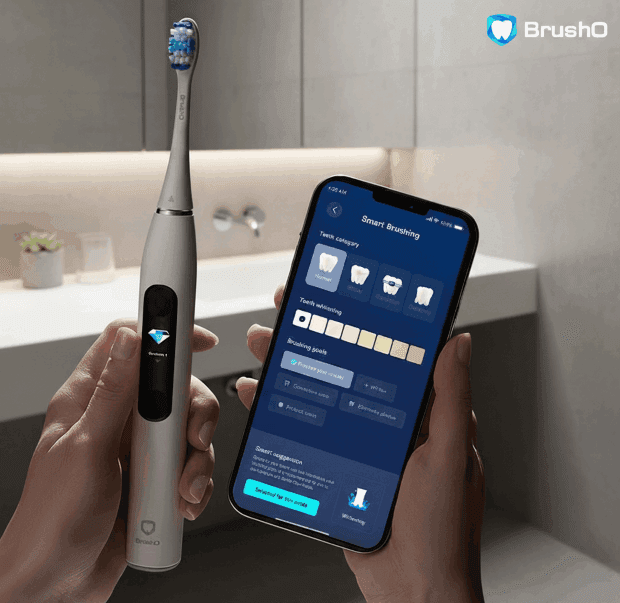
AI-guided brushing technologies like BrushO help reduce inflammatory triggers through improved hygiene precision.
Prevents tissue trauma that can worsen immune reactions.
Ensures complete bacterial removal along the gumlines.
Identify patterns linked to recurring inflammation.
Support gentle care for sensitive or vulnerable tissue.
These tools enable proactive gum protection aligned with immune health maintenance.
Persistent symptoms should not be ignored, especially if lasting beyond two weeks.
Consult dental professionals if experiencing:
• Ongoing bleeding
• Receding gums
• Chronic soreness
• Visible tissue changes
Early intervention prevents progression to periodontal disease.
Gums serve as an accessible window into immune system activity. Changes in color, sensitivity, or inflammation often reflect broader physiological responses rather than isolated dental issues. Recognizing these signals allows earlier lifestyle adjustments and professional care. Combining disciplined oral hygiene with intelligent monitoring tools such as BrushO supports both gum stability and systemic resilience. Protecting gum health ultimately contributes to maintaining immune balance and long-term wellness.
Feb 6
Feb 5
Jul 30
Jul 30
Jul 29
Jul 22
Jul 19
Jul 17

Hyperdontia is the presence of one or more teeth in excess of the normal dental formula, and the resulting teeth are described as supernumerary. The condition is common enough to appear in routine practice but variable enough in presentation that the decision to intervene is rarely straightforwar...

Few patients complete orthodontic treatment without asking whether their teeth will move back. The honest answer is that they will, to some degree, in the majority of cases. Relapse is not a failure of treatment but a predictable biological response, and understanding why it happens is the basis ...

The mandible is the largest and most frequently fractured bone of the facial skeleton, and its management sits at the interface between trauma surgery and restorative dentistry. Treatment has shifted over four decades from prolonged maxillomandibular fixation towards rigid internal fixation with ...

Chronic liver disease affects hundreds of millions of people worldwide, and its prevalence continues to rise with the epidemic of metabolic liver disease. The liver is central to haemostasis, drug metabolism and immune competence, and its failure therefore alters the risk profile of almost every ...

Excessive gingival display, commonly described as a gummy smile, is one of the most frequent aesthetic concerns presented to dental practitioners. The condition is not a single entity but a clinical presentation that can arise from skeletal, gingival, muscular or dental factors, and the treatment...

Drug-induced gingival overgrowth is a well-recognised adverse effect of several widely prescribed medications, and it remains one of the most common drug-related findings in periodontal practice. The condition produces firm, fibrous enlargement of the gingiva that can interfere with speech, masti...

Denture stomatitis is an inflammatory condition of the denture-bearing mucosa that affects a large proportion of removable prosthesis wearers, yet it is frequently dismissed as a cosmetic annoyance. The condition is driven by a Candida biofilm on the fitting surface of the prosthesis, and it is m...

Chronic kidney disease affects an estimated 850 million people worldwide, and the number of patients surviving on dialysis or with a renal transplant continues to rise. These patients carry an oral disease burden that is substantially higher than that of the general population, and their medical ...

Angular cheilitis is an inflammatory lesion of the labial commissures that presents with erythema, fissuring and crusting at the corners of the mouth. It is one of the most common conditions encountered in general dental practice, yet it is frequently treated as a simple fungal infection and allo...

Adverse reactions to dental materials are uncommon but they are not rare, and they are frequently misdiagnosed because the oral mucosa responds to allergens in a limited number of ways. A burning sensation, a persistent ulcer or an unexplained area of erythema may all represent a hypersensitivity...


Address: RM 1427, 14/F RADIO CITY 505, HENNESSY RD CAUSEWAY BAY, HONG KONG
Code: 000000
Phone: +852-53758652
Email: customerservice@brusho.com
