
Jul 30
Jul 30
Jul 29
Jul 22
Jul 19
Jul 17
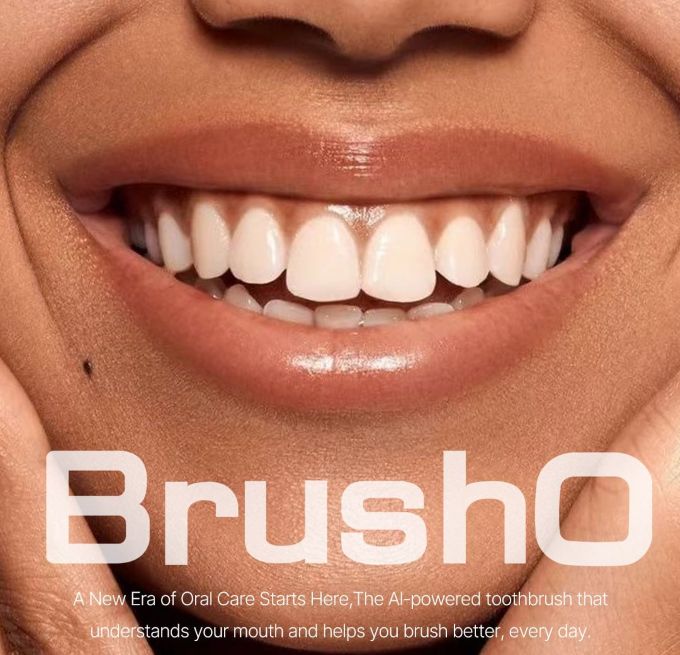
Plaque doesn’t announce itself with pain or obvious signs, yet it’s one of the most common causes of dental problems. Understanding how to detect plaque early—and knowing what tools and habits can help—makes all the difference in preventing bigger oral health issues. In this article, we’ll explore how plaque forms, where it hides, early signs to watch for, and how smart toothbrushes like BrushO use AI to help you fight plaque before it becomes a threat.
Plaque is a soft, sticky film made of bacteria, food particles, and saliva that constantly forms on your teeth. If left untreated, it can:
• Harden into tartar
• Causes tooth decay
• Trigger gum inflammation (gingivitis)
• Lead to bad breath and long-term oral health issues
The most dangerous part? It’s nearly invisible in the early stages.
Plaque tends to accumulate in places that are easily missed during manual brushing:
• Along the gumline
• Between teeth
• Behind molars
• Around orthodontic appliances or crowns
If you don’t have a smart brushing system, you might be missing these zones repeatedly without knowing it.
Run your tongue along your teeth. If they don’t feel smooth after brushing, you might still have plaque. A rough or “fuzzy” texture is a subtle but telling sign.
Do your gums bleed slightly when flossing? This could be the first sign of plaque-triggered gingivitis, even if your teeth look clean.
Chronic bad breath can result from bacteria thriving in plaque. If your breath smells foul despite regular brushing, plaque may be to blame.
A yellowish or dull coating on teeth—especially near the gumline—might be early-stage plaque. It’s easier to spot when flossing or looking under a light.
Smart AI-powered toothbrushes like BrushO help you detect and address plaque risk areas before they cause problems:
BrushO divides your mouth into 6 zones and 16 surfaces, showing you in real-time which areas you’ve covered—and which you’ve missed.
Pressing too hard or brushing at the wrong angle encourages plaque buildup. BrushO gently alerts you to these mistakes and helps you improve over time.
With every brushing session, the BrushO app generates a report highlighting coverage, duration, pressure, and consistency—so you can fix your technique proactively.
Using a smart toothbrush with real-time guidance ensures you’re not just brushing—but brushing right.
Flossing removes plaque between teeth where even the best toothbrush bristles can’t reach.
This helps kill lingering bacteria and slow plaque development.
Professional cleanings remove any plaque that turns into tartar and help you track long-term gum health.
Plaque might be invisible, but its effects are anything but. With the right habits and tools—especially smart brushing support from BrushO—you can prevent minor plaque buildup from turning into major dental issues. Brushing isn’t just about time; it’s about technique, consistency, and awareness.
Nov 4
Nov 4
Jul 30
Jul 30
Jul 29
Jul 22
Jul 19
Jul 17

PPM describes concentration, not the amount to put on the brush. Learn how to read fluoride information while keeping regional guidance and individual advice in view.

That forgotten tube deserves a label check. Learn what toothpaste shelf-life information refers to, why storage matters, and how to avoid guessing from appearance.

Clear gel or opaque paste? Texture is only one feature. Learn which label details matter when comparing toothpastes for your brushing routine.

Minty toothpaste can create a cooling sensation without being chilled. Explore what menthol does and why a fresh feeling is different from complete cleaning.

The sound of a powered brush comes with its moving mechanism. Learn how normal operating noise differs from alerts or an unexpected change that needs checking.

Toothpaste on the mirror? Check when you switch the brush on and off, how you position it, and how to pause without rushing your routine.

A whitening brushing program and a bleaching treatment are different things. Learn how to interpret mode names, surface-stain claims, and realistic expectations.

A tiny cluster of bristles serves a different purpose from a full-size head. Learn where a single-tuft brush may fit into an individually recommended cleaning routine.

Angled tufts, different bristle heights, and the angle of your hand are separate design questions. Learn how to read a toothbrush-head description clearly.

A larger head is not an automatic shortcut to cleaner teeth. Learn how head size affects access, positioning, and the fit of your daily brushing routine.

Bàn chải điện BrushO AI cung cấp hướng dẫn chải răng theo thời gian thực, phản hồi lực nhấn, theo dõi vùng chải và báo cáo tiến độ trong ứng dụng cho thói quen hằng ngày sạch hơn.
Bàn chải điện BrushO AI cung cấp hướng dẫn chải răng theo thời gian thực, phản hồi lực nhấn, theo dõi vùng chải và báo cáo tiến độ trong ứng dụng cho thói quen hằng ngày sạch hơn.


Address: RM 1427, 14/F RADIO CITY 505, HENNESSY RD CAUSEWAY BAY, HONG KONG
Code: 000000
Phone: +852-53758652
Email: customerservice@brusho.com