
Jul 30
Jul 30
Jul 29
Jul 22
Jul 19
Jul 17
Most people rush through brushing without hitting every spot or brushing long enough, leading to long-term dental issues like plaque buildup and gum irritation. But what if you could transform your daily brushing into a consistent, dentist-approved routine that actually works—and only takes 2 minutes? In this article, we’ll walk you through how to build a brushing habit that sticks, optimize those 120 seconds, and how AI-powered tools like BrushO can guide and motivate you every step of the way.
According to the American Dental Association (ADA), two minutes is the minimum time required to remove plaque from all surfaces of your teeth. Yet, research shows the average person brushes for only 45 seconds.
• Incomplete plaque removal
• Higher risk of gum disease
• More frequent cavities
Skipping zones—even unknowingly—can lead to long-term oral health problems.
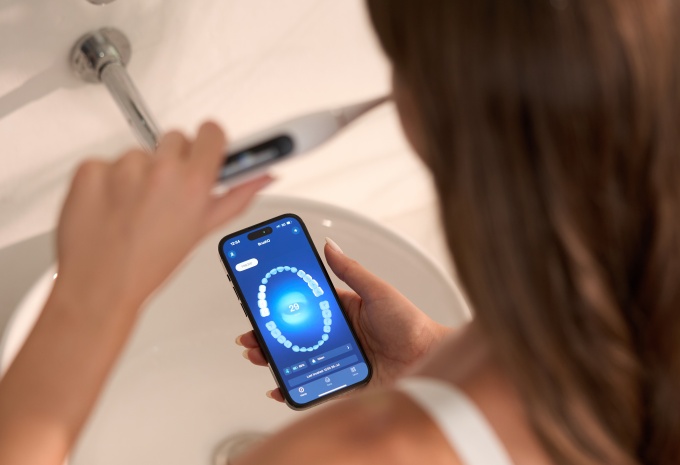
Break your mouth into 4 or 6 zones, depending on your toothbrush’s design. With BrushO, the smart display divides your brushing time into 6 zones, 16 surface points, giving you real-time feedback as you go.
Suggested Routine (30 seconds per quadrant or 20 seconds per zone):
• Top left
• Top right
• Bottom left
• Bottom right
• Front surfaces
• Inner molars
• Gumline: Angle your brush at 45°
• Tongue: Quick swipe to reduce bacteria
• Hard-to-reach areas: Use pressure guidance tools (BrushO alerts you when you press too hard)
BrushO’s TFT smart screen gives visual guidance as you brush, ensuring you don’t miss a zone.
BrushO vibrates gently when brushing too hard and tracks how long you spend on each area—no more guesswork.
Get daily, weekly, and monthly brushing reports in the app. You’ll build up streaks and even earn points toward lifetime free brush heads.
💡 Pro Tip: Brushing streaks = rewards. With BrushO, brushing consistently for 2 minutes helps you unlock perks and free brush heads.
Set daily reminders and track your progress using the BrushO app. When brushing becomes rewarding, consistency becomes easier.
If 2 minutes feels long, start with 1-minute focused brushing and gradually build up. BrushO’s adaptive AI adjusts feedback to your personal progress.
Brush at the same time each day. Pair brushing with another habit (like skincare) to build a reliable routine.
The goal isn’t just brushing for 2 minutes—it’s brushing effectively for 2 minutes, every time. With the right plan, structure, and support from a smart toothbrush like BrushO, your daily brushing routine can become a powerful health ritual.
Nov 4
Nov 4
Jul 30
Jul 30
Jul 29
Jul 22
Jul 19
Jul 17

PPM describes concentration, not the amount to put on the brush. Learn how to read fluoride information while keeping regional guidance and individual advice in view.

That forgotten tube deserves a label check. Learn what toothpaste shelf-life information refers to, why storage matters, and how to avoid guessing from appearance.

Clear gel or opaque paste? Texture is only one feature. Learn which label details matter when comparing toothpastes for your brushing routine.

Minty toothpaste can create a cooling sensation without being chilled. Explore what menthol does and why a fresh feeling is different from complete cleaning.

The sound of a powered brush comes with its moving mechanism. Learn how normal operating noise differs from alerts or an unexpected change that needs checking.

Toothpaste on the mirror? Check when you switch the brush on and off, how you position it, and how to pause without rushing your routine.

A whitening brushing program and a bleaching treatment are different things. Learn how to interpret mode names, surface-stain claims, and realistic expectations.

A tiny cluster of bristles serves a different purpose from a full-size head. Learn where a single-tuft brush may fit into an individually recommended cleaning routine.

Angled tufts, different bristle heights, and the angle of your hand are separate design questions. Learn how to read a toothbrush-head description clearly.

A larger head is not an automatic shortcut to cleaner teeth. Learn how head size affects access, positioning, and the fit of your daily brushing routine.

BrushO AI Electric Toothbrush offers real-time brushing guidance, pressure feedback, coverage tracking, and app-based progress reports for a cleaner daily routine.
BrushO AI Electric Toothbrush offers real-time brushing guidance, pressure feedback, coverage tracking, and app-based progress reports for a cleaner daily routine.


Address: RM 1427, 14/F RADIO CITY 505, HENNESSY RD CAUSEWAY BAY, HONG KONG
Code: 000000
Phone: +852-53758652
Email: customerservice@brusho.com