
Jul 30
Jul 30
Jul 29
Jul 22
Jul 19
Jul 17
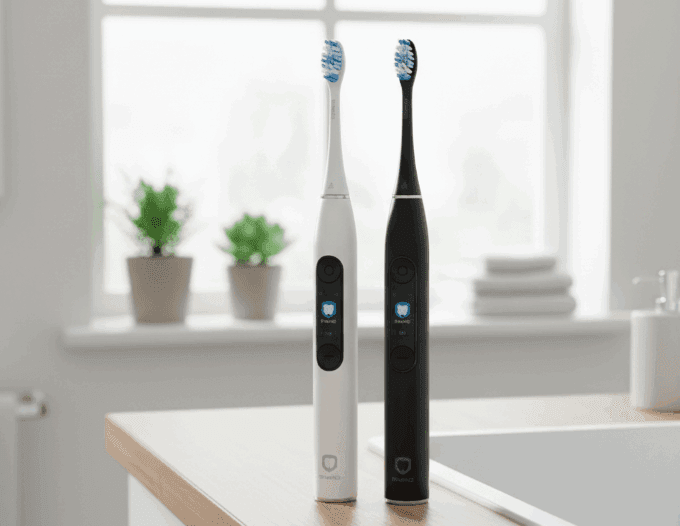
A healthier mouth isn’t just about aesthetics—it’s about total wellness. Oral hygiene directly impacts your digestive system, cardiovascular health, immunity, and even your energy levels. While extreme routines are tempting, it’s daily, consistent actions that build a strong foundation for lifelong oral health. This article explores the top five expert-approved strategies for a healthier mouth and how innovations like AI-powered toothbrushes, such as BrushO can turn these tips into easy-to-maintain habits.
Brushing twice a day is essential, but technique and coverage are what determine its effectiveness. Using a soft-bristled brush, proper angling, and sufficient brushing time reduces the risk of plaque, cavities, and gum disease.
• Brush for at least 2 minutes, twice daily
• Angle your brush 45° toward the gumline
• Cover all surfaces: front, back, and chewing
• Don’t skip your tongue, where odor-causing bacteria accumulate
💡 BrushO’s AI zone tracking ensures every tooth surface is reached, with pressure sensors to avoid enamel and gum damage.
Brushing can’t remove debris lodged between teeth. Daily flossing removes particles and bacteria from hard-to-reach areas that contribute to cavities and gingivitis.
• Use a gentle sawing motion, not force
• Don’t snap the floss into the gums
• Curve around each tooth in a “C” shape for best contact
✨ Flossing daily also improves breath freshness, reducing sulfur-producing bacteria in interdental spaces.
Your diet either supports or undermines oral health. Sugar and acidic foods erode enamel and feed harmful bacteria, while fibrous, calcium-rich foods strengthen teeth.
✅ Foods that help:
• Apples, carrots, celery (natural cleansers)
• Leafy greens, nuts (alkaline & mineral-rich)
• Cheese, milk, yogurt (calcium & pH-balancing)
❌ Foods to limit:
• Sticky candies and gummies
• Soft drinks and energy drinks
• Excessive citrus and fruit juices
💡 Use BrushO’s app to track brushing after meals and set alerts to prevent prolonged acid attacks.
Saliva neutralizes acids, protects enamel, and clears food debris. Dehydration or dry mouth (common in older adults or medication users) increases the risk of decay and infection.
✔️ Hydration habits:
• Drink water throughout the day
• Chew sugar-free gum to stimulate saliva
• Rinse with water after meals if brushing isn’t possible
🌀 A moist mouth is a protective mouth—and water is your easiest, most accessible defense.
Preventive check-ups help identify and address oral issues before symptoms appear. Even if your teeth feel fine, you may have early gum disease, microscopic decay, or tartar buildup that is only visible to a professional.
• Visit your dentist every 6 months
• Get professional cleanings to remove hardened plaque
• Discuss any changes in sensitivity, bleeding, or pain
👩⚕️ Dentists also evaluate jaw health, bite alignment, and signs of systemic issues reflected in your mouth.
The future of oral care is smart—and BrushO leads the way:
🧠 AI zone tracking ensures you never miss a spot
🧼 Pressure detection protects your gums
📊 Real-time brushing reports show improvement areas
🎯 Personalized brushing plans optimize your technique
🎁 Brush & Earn rewards encourage consistency
Oral health doesn’t require perfection—just consistency and the right tools. Prioritize these five habits, leverage smart technology, and you’ll protect not only your teeth and gums but also your heart, immune system, and quality of life. A healthier mouth is a lifelong investment—and it starts with your next brush.
Jan 30
Jan 30
Jul 30
Jul 30
Jul 29
Jul 22
Jul 19
Jul 17

PPM describes concentration, not the amount to put on the brush. Learn how to read fluoride information while keeping regional guidance and individual advice in view.

That forgotten tube deserves a label check. Learn what toothpaste shelf-life information refers to, why storage matters, and how to avoid guessing from appearance.

Clear gel or opaque paste? Texture is only one feature. Learn which label details matter when comparing toothpastes for your brushing routine.

Minty toothpaste can create a cooling sensation without being chilled. Explore what menthol does and why a fresh feeling is different from complete cleaning.

The sound of a powered brush comes with its moving mechanism. Learn how normal operating noise differs from alerts or an unexpected change that needs checking.

Toothpaste on the mirror? Check when you switch the brush on and off, how you position it, and how to pause without rushing your routine.

A whitening brushing program and a bleaching treatment are different things. Learn how to interpret mode names, surface-stain claims, and realistic expectations.

A tiny cluster of bristles serves a different purpose from a full-size head. Learn where a single-tuft brush may fit into an individually recommended cleaning routine.

Angled tufts, different bristle heights, and the angle of your hand are separate design questions. Learn how to read a toothbrush-head description clearly.

A larger head is not an automatic shortcut to cleaner teeth. Learn how head size affects access, positioning, and the fit of your daily brushing routine.

BrushO AI Electric Toothbrush offers real-time brushing guidance, pressure feedback, coverage tracking, and app-based progress reports for a cleaner daily routine.
BrushO AI Electric Toothbrush offers real-time brushing guidance, pressure feedback, coverage tracking, and app-based progress reports for a cleaner daily routine.


Address: RM 1427, 14/F RADIO CITY 505, HENNESSY RD CAUSEWAY BAY, HONG KONG
Code: 000000
Phone: +852-53758652
Email: customerservice@brusho.com