
Jul 30
Jul 30
Jul 29
Jul 22
Jul 19
Jul 17
From “oral b electric toothbrush” to “sonic electric toothbrush,” consumers in 2025 are searching for the perfect way to improve their daily oral care. But with so many options—brands, modes, tech specs, and buzzwords—it’s easy to get overwhelmed. This guide helps you cut through the noise and choose the best electric toothbrush based on your real needs.
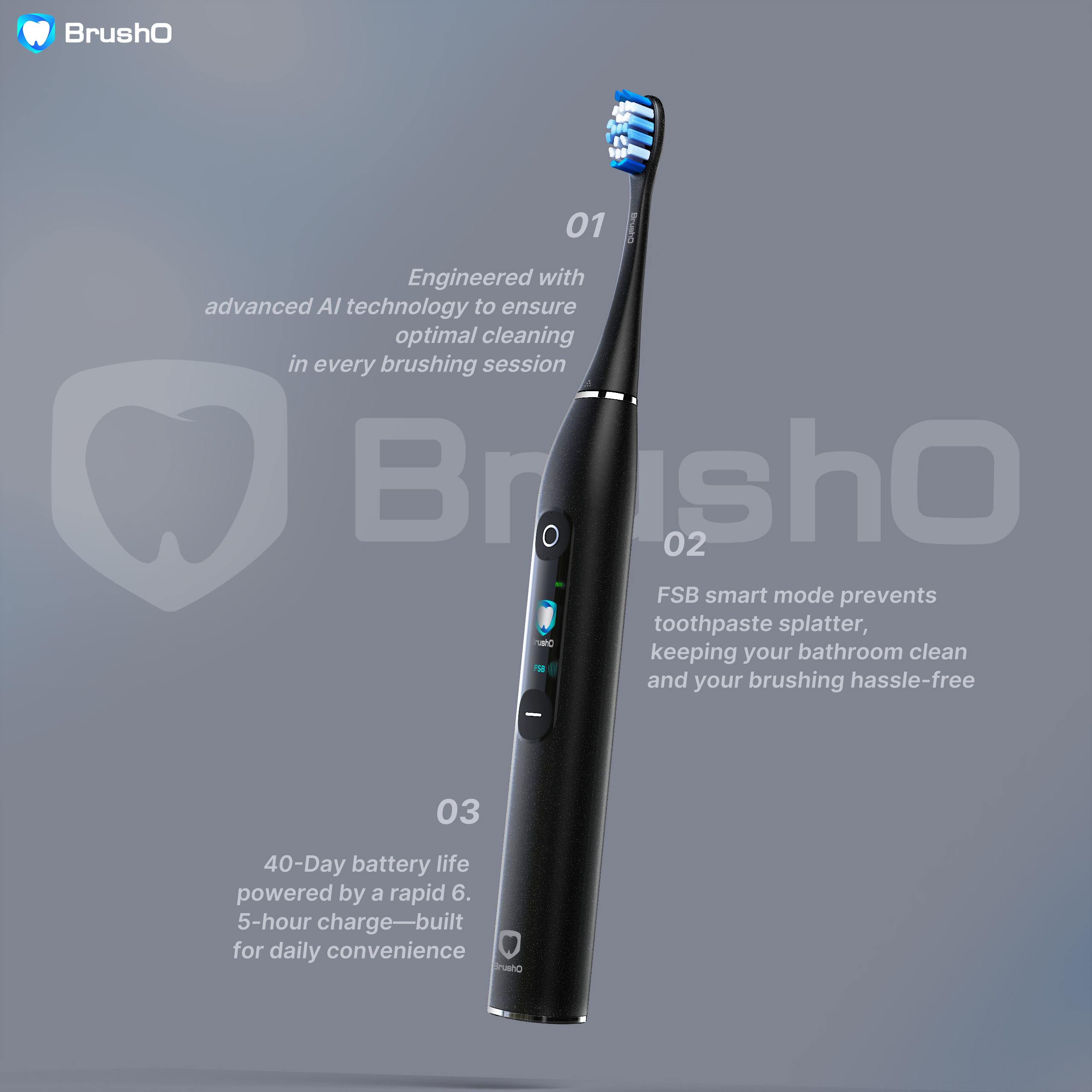
An electric toothbrush is a power-assisted device that cleans your teeth using vibrating, rotating, or sonic bristle movements. Unlike manual toothbrushes that depend entirely on your hand motion and consistency, electric versions provide automated power, leading to more effective plaque removal with less effort.
Most electric toothbrushes include:
Multiple brushing modes
Built-in timers
Rechargeable batteries
Interchangeable brush heads
Whether you’re a tech lover or just want healthier teeth, electric toothbrushes offer a serious upgrade from the basics.
Popular searches like “best electric toothbrush 2024” or “top rated electric toothbrush” show people want a solution that is not just functional—but proven and user-approved.
Oral-B – Known for its rotating-oscillating brushes and gum care focus.
Philips Sonicare – Famous for gentle sonic technology and minimal design.
BrushO – A newer player offering smart AI-based brushing guidance, whitening modes, and anti-splatter protection.
💡 Tip: Don’t just go by brand—look at mode flexibility, battery life, smart features, and comfort in use.
This is one of the most searched questions: “Are electric toothbrushes better?” The answer from both dental experts and users is: yes.
|
Factor |
Manual Toothbrush |
Electric Toothbrush |
|
Cleaning consistency |
Varies by user |
Automatically consistent |
|
Plaque removal |
Moderate |
Up to 21% more effective |
|
Gum health |
Requires technique |
Pressure sensors help prevent damage |
|
Timer |
Manual guesswork |
Built-in 2-minute timer |
|
Fun factor |
Basic |
Feels more like a gadget |
✅ Verdict: If you struggle with brushing long enough, brushing too hard, or missing areas—electric wins every time.
Smart toothbrushes are the next evolution of the electric toothbrush—search terms like “smart toothbrush” or “AI toothbrush” are gaining traction fast.
A smart electric toothbrush connects to a mobile app and uses sensors to detect:
Which zones you’ve missed
If you’re brushing too hard
Whether your brushing time is enough
Some, like BrushO, offer:
FSB (Fully Smart Brushing) mode to eliminate toothpaste splatter
9 basic brushing modes including whitening and gum care & 3 customized brushing modes
App-synced brushing reports and custom brushing profiles
These tools help you improve your habits and prevent long-term dental issues.
Searches like “kids electric toothbrush” show that parents want safe and effective solutions for younger brushers. Features to look for include:
Soft bristles
Built-in timer with music or light
Smaller brush head
Cute or colorful designs
Some electric toothbrushes even gamify brushing via apps to encourage consistency.
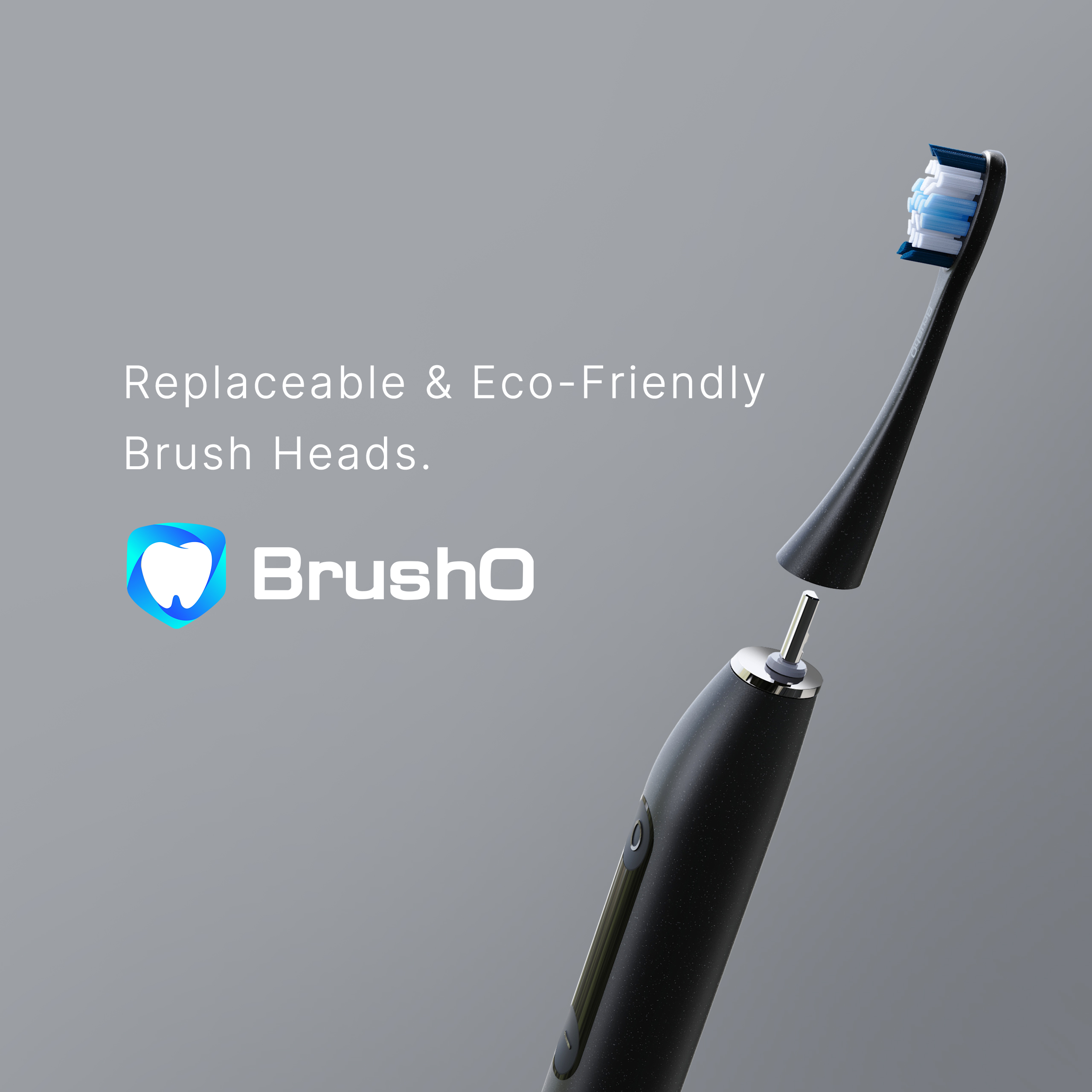
Many users also search for “electric toothbrush heads” or compatible replacements. Most brush heads should be changed every 3 months, just like manual brushes. Signs you need a new one:
Frayed bristles
Bristles look faded or uneven
You’ve had a cold or oral infection
💡 Bonus tip: Use color-fading indicator bristles to know when it’s time.
Rechargeable toothbrushes dominate searches like “electric toothbrush charger” or “USB toothbrush.” Why?
Eco-friendly (no disposable batteries)
Better long-term performance
Higher vibration power
Usually come with travel cases or wireless Qi charging
🔎 Watch for models that offer at least 30–40 days of battery life for real convenience.
A sonic toothbrush (like Philips Sonicare) uses high-frequency vibrations (up to 62,000 movements/min) to clean teeth. Compared to traditional rotating heads:
Sonic vibrations can reach beyond bristle contact via fluid dynamics
They’re quieter and gentler
Ideal for people with sensitive teeth or braces
🎯 Sonic brushes are great for gentle users, while oscillating heads may be better for those who prefer more friction.
Whether you're searching for the "best oral b electric toothbrush" or just want a toothbrush that does more than buzz, the key is finding what fits your lifestyle:
|
Feature |
Ideal For |
|
Smart app feedback |
Data-driven users |
|
Sonic tech |
Sensitive teeth or braces |
|
Whitening mode |
Coffee/wine lovers |
|
Compact + long battery |
Travelers & minimalists |
If you're ready to take brushing to the next level, a smart, customizable electric toothbrush like BrushO may be the best upgrade you’ll make this year.
Jul 19
Jul 18
Jul 30
Jul 30
Jul 29
Jul 22
Jul 19
Jul 17

The uncontrolled hypertension is the condition that the dental practice meets in the patient who presents with the elevated pressure that the guideline does not permit for the elective treatment, and the management of this patient requires the deferral of the dental procedure and the referral to ...

The closure of the extraction space in the orthodontic treatment is the phase that demands the careful selection of the mechanics and the monitoring of the force that the appliance delivers. The sliding mechanics that rely on the continuous archwire and the power chain that connects the brackets ...

The transverse discrepancy of the maxilla is the problem that the crowding and the posterior crossbite often hide, and the maxillary expansion is the treatment that addresses the width of the arch rather than the position of the individual tooth. The clinician who diagnoses the constriction early...

The local anaesthesia is the daily procedure that the modern dentistry treats as the routine, and the complications that follow it range from the transient and the trivial to the permanent and the serious. The clinician who injects by the habit without the anatomy in the mind is the clinician who...

The hypertension is the condition that the dental practice meets in the every day, and the patient who carries the elevated pressure without the symptoms is the patient who presents the risk that the chair-side measurement reveals. The dental team occupies the position that no other profession ho...

The glass-ceramic crown has become the default restoration for the anterior and the many posterior teeth, and the material selection within the family is the decision that determines the strength, the aesthetics, and the longevity of the result. The lithium disilicate, the leucite, and the zircon...

The dental phobia is the extreme form of the dental fear that prevents the patient from attending the treatment that the oral health requires, and the management of the phobia demands the skill that extends beyond the routine behaviour guidance. The systematic desensitization, the exposure therap...

The dental fear of the child is the condition that shapes the attitude for the lifetime, and the clinician who manages the first visits with the skill builds the patient who attends the recall without the dread. The fear that the child develops follows the many sources, and the practice that reco...

The patient with controlled hypertension is the patient who requires the dental care that the oral health demands and the treatment that the blood pressure permits, and the clinician who manages the controlled case safely follows the guideline that the evidence supports. The controlled hypertensi...

The ceramic veneer is the restoration that the aesthetic dentistry depends on, and the bond that retains the veneer on the enamel is the critical link that determines whether the restoration survives the function or fractures and debonds. The clinical technique from the preparation to the cementa...

Bàn chải điện BrushO AI cung cấp hướng dẫn chải răng theo thời gian thực, phản hồi lực nhấn, theo dõi vùng chải và báo cáo tiến độ trong ứng dụng cho thói quen hằng ngày sạch hơn.
Bàn chải điện BrushO AI cung cấp hướng dẫn chải răng theo thời gian thực, phản hồi lực nhấn, theo dõi vùng chải và báo cáo tiến độ trong ứng dụng cho thói quen hằng ngày sạch hơn.


Address: RM 1427, 14/F RADIO CITY 505, HENNESSY RD CAUSEWAY BAY, HONG KONG
Code: 000000
Phone: +852-53758652
Email: customerservice@brusho.com