
Jul 30
Jul 30
Jul 29
Jul 22
Jul 19
Jul 17
We’ve gathered the facts, simplified the science, and created a practical guide that answers the internet’s most asked questions about teeth whitening—so you can confidently make your next move toward a glowing smile.
The most effective way to whiten your teeth depends on the severity of staining and your personal oral health. Generally, there are three levels of whitening:
Performed by dentists using high-concentration hydrogen peroxide or carbamide peroxide.
✅ Fast results (1–2 sessions)
❌ Expensive (~$300–$600 per treatment)
❌ May cause temporary sensitivity
Custom trays, LED systems, or strips that use lower peroxide concentrations.
✅ Convenient & more affordable
✅ Noticeable results in 1–2 weeks
❌ Risk of gum irritation if used improperly
New-generation electric toothbrushes now combine AI brushing optimization with advanced polishing heads and whitening modes.
✅ Non-invasive & enamel-safe
✅ Supports stain prevention + gradual brightening
✅ Works daily with no extra step or chemicals
➡️ Perfect for long-term maintenance or mild yellowing
Pro Tip: Smart toothbrushes with whitening modes are ideal for everyday stain prevention and maintaining brightness between deeper treatments.
Yes—yellow teeth can become white again. The key is to identify the cause of discoloration and choose the appropriate method:
These are the easiest to remove. Regular brushing with a whitening toothpaste or using a smart electric toothbrush can significantly improve brightness.
These require stronger intervention such as bleaching or professional whitening.
This can make teeth appear yellow. A professional cleaning may reveal a significantly whiter surface underneath.
Bottom line: The earlier you start treating yellowing, the more reversible it is.
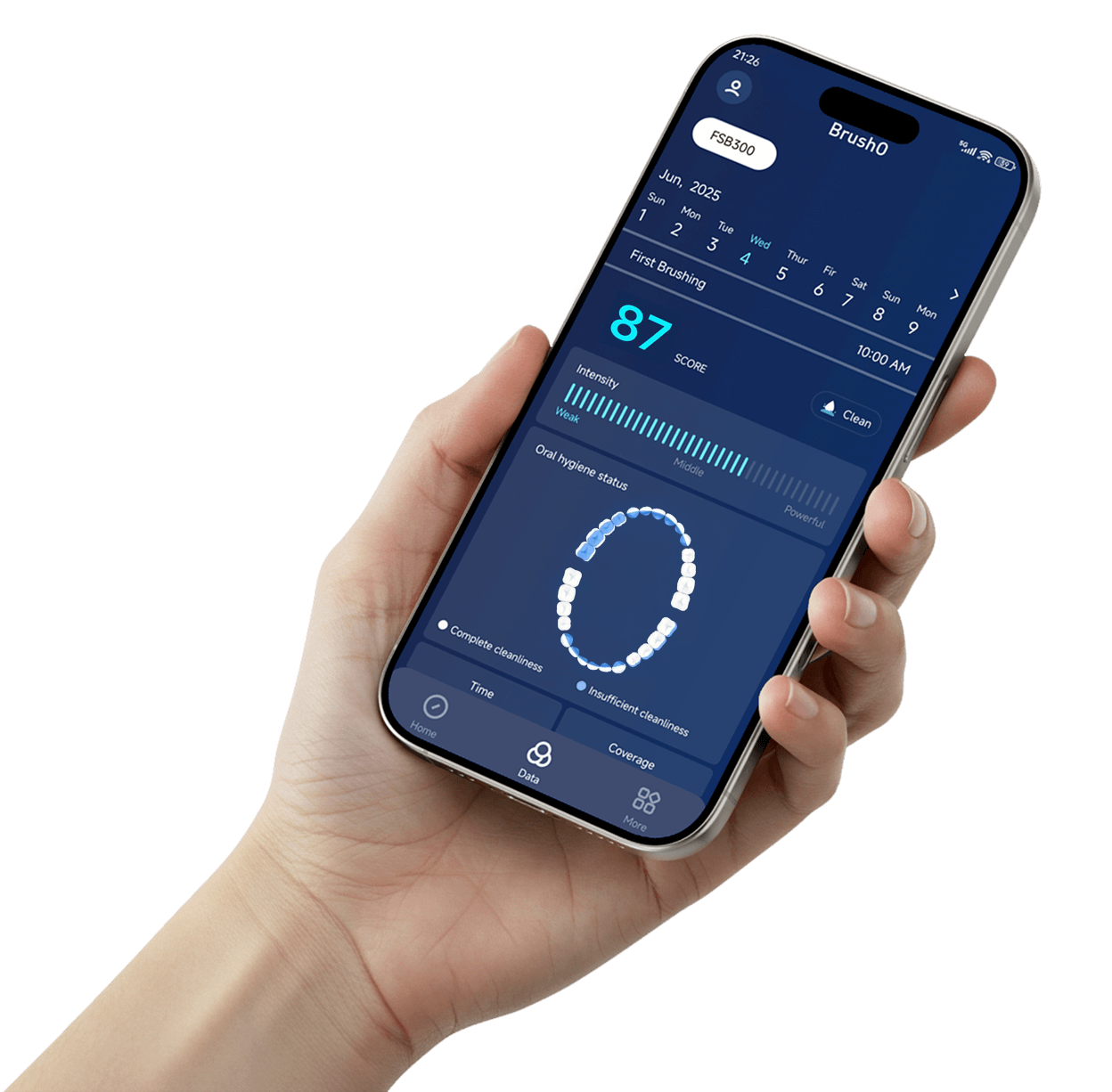
If you’re prepping for a big event (hello, wedding or job interview), here are fast-track options to whiten your teeth:
Results: Up to 8 shades lighter in one session
Cost: High
Risk: Sensitivity for 24–72 hours
Results: 2–4 shades whiter in 5–7 days
Cost: Medium
Risk: Overuse can damage enamel
Results: Gradual whitening + stain prevention
Bonus: No extra time required in your routine
Cost: Low per use, high long-term value
If you’re looking for a safe, non-chemical solution with long-term results, upgrading your toothbrush to one with a dedicated whitening mode is your best move.
If you want an instant improvement, follow this 3-step protocol:
Use a fast-acting product like whitening strips or LED kit. Look for 10–15% hydrogen peroxide for effectiveness.
Start using a high-frequency electric toothbrush with a polishing or whitening mode (e.g. BrushO has 9 modes including whitening). This keeps surface stains from reappearing.
Avoid coffee, soda, red wine, and cigarettes for 7 days post-whitening. Rinse with water or brush after meals.
🧠 Bonus Tip: Use a straw for colored drinks and brush with fluoride toothpaste twice a day.
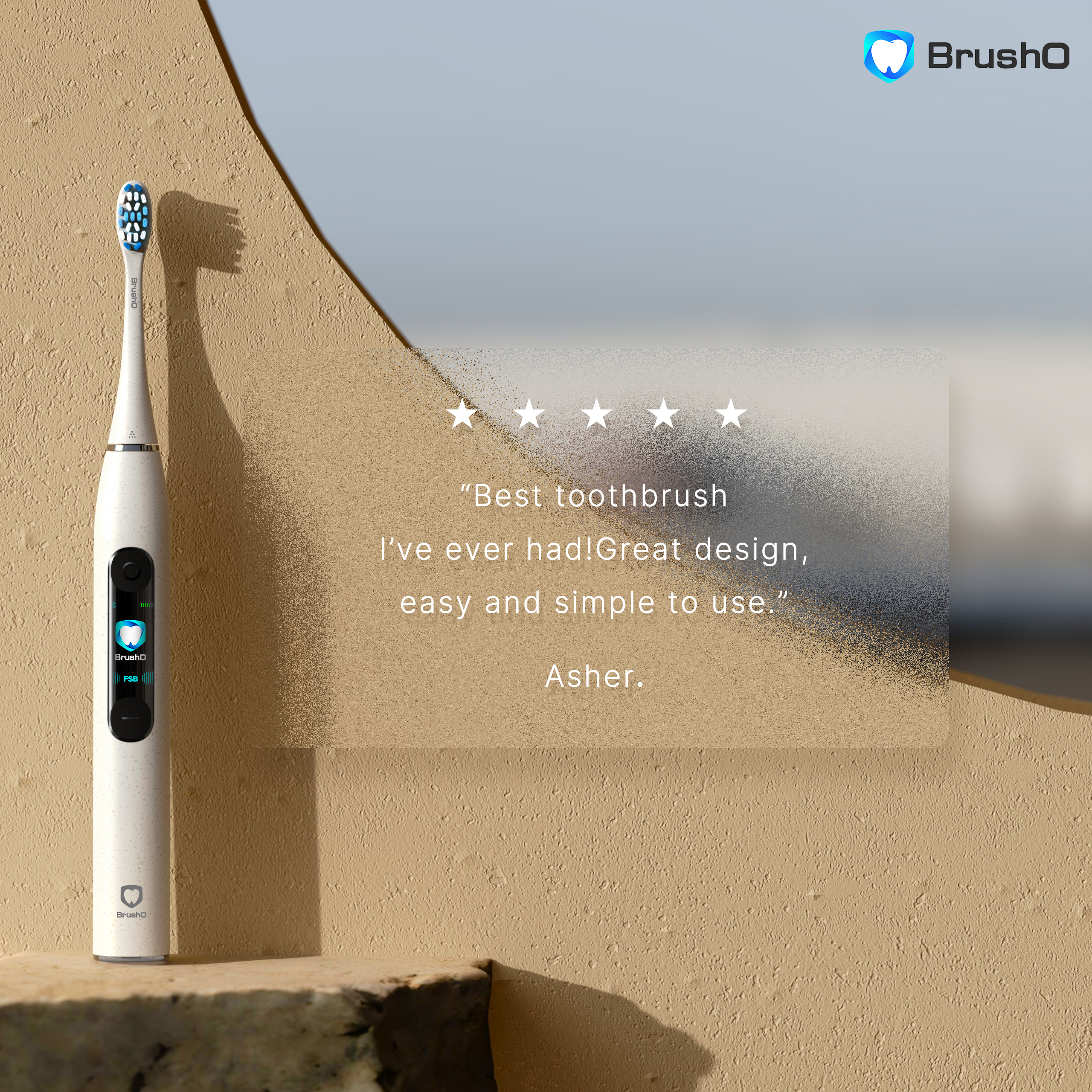
Most people overlook one key truth: teeth whitening is only effective if daily habits support it. That’s where BrushO comes in.
⚙️ 8 Basic Brushing Modes – including a Whitening Mode, and have 3 customized modes
🧠 AI-Powered Feedback – optimize pressure, coverage & duration
📱 Daily Report Sync via App – track your progress
🚫 FSB Anti-Splatter Mode – keeps toothpaste in place
🔋 40-Day Battery + 6.5 Hours Fast Charge – convenience meets power & travel friendly
Whether you’re maintaining a white smile or starting from scratch, BrushO makes it easy, smart, and safe.
If you’ve ever wondered whether yellow teeth are permanent—the answer is no. With the right approach and daily tools like smart electric toothbrushes, you can safely and gradually achieve a noticeably brighter smile.
✨ Whitening isn’t about extremes. It’s about building smarter routines that work for your lifestyle.
Want real results without the pain, cost, or confusion?
➡️ Try the smart way to whiten—BrushO
Jul 30
Jul 30
Jul 29
Jul 22
Jul 19
Jul 17

The uncontrolled hypertension is the condition that the dental practice meets in the patient who presents with the elevated pressure that the guideline does not permit for the elective treatment, and the management of this patient requires the deferral of the dental procedure and the referral to ...

The closure of the extraction space in the orthodontic treatment is the phase that demands the careful selection of the mechanics and the monitoring of the force that the appliance delivers. The sliding mechanics that rely on the continuous archwire and the power chain that connects the brackets ...

The transverse discrepancy of the maxilla is the problem that the crowding and the posterior crossbite often hide, and the maxillary expansion is the treatment that addresses the width of the arch rather than the position of the individual tooth. The clinician who diagnoses the constriction early...

The local anaesthesia is the daily procedure that the modern dentistry treats as the routine, and the complications that follow it range from the transient and the trivial to the permanent and the serious. The clinician who injects by the habit without the anatomy in the mind is the clinician who...

The hypertension is the condition that the dental practice meets in the every day, and the patient who carries the elevated pressure without the symptoms is the patient who presents the risk that the chair-side measurement reveals. The dental team occupies the position that no other profession ho...

The glass-ceramic crown has become the default restoration for the anterior and the many posterior teeth, and the material selection within the family is the decision that determines the strength, the aesthetics, and the longevity of the result. The lithium disilicate, the leucite, and the zircon...

The dental phobia is the extreme form of the dental fear that prevents the patient from attending the treatment that the oral health requires, and the management of the phobia demands the skill that extends beyond the routine behaviour guidance. The systematic desensitization, the exposure therap...

The dental fear of the child is the condition that shapes the attitude for the lifetime, and the clinician who manages the first visits with the skill builds the patient who attends the recall without the dread. The fear that the child develops follows the many sources, and the practice that reco...

The patient with controlled hypertension is the patient who requires the dental care that the oral health demands and the treatment that the blood pressure permits, and the clinician who manages the controlled case safely follows the guideline that the evidence supports. The controlled hypertensi...

The ceramic veneer is the restoration that the aesthetic dentistry depends on, and the bond that retains the veneer on the enamel is the critical link that determines whether the restoration survives the function or fractures and debonds. The clinical technique from the preparation to the cementa...

BrushO AI Electric Toothbrush offers real-time brushing guidance, pressure feedback, coverage tracking, and app-based progress reports for a cleaner daily routine.
BrushO AI Electric Toothbrush offers real-time brushing guidance, pressure feedback, coverage tracking, and app-based progress reports for a cleaner daily routine.


Address: RM 1427, 14/F RADIO CITY 505, HENNESSY RD CAUSEWAY BAY, HONG KONG
Code: 000000
Phone: +852-53758652
Email: customerservice@brusho.com