
Jul 30
Jul 30
Jul 29
Jul 22
Jul 19
Jul 17
To many parents, getting their child to brush their teeth can feel like an exhausting daily battle. Whether it’s the ticklish sensation, a fear of the toothbrush, or bad past experiences, dental anxiety in children is real—and very common. The good news? With the right approach, you can turn brushing time from tears into triumph. In this article, we’ll explore practical, psychology-backed tips to help children overcome their fear of brushing and create a positive relationship with oral hygiene. From smart toothbrushes like BrushO to fun routines and rewards, let’s make healthy smiles a happy habit.
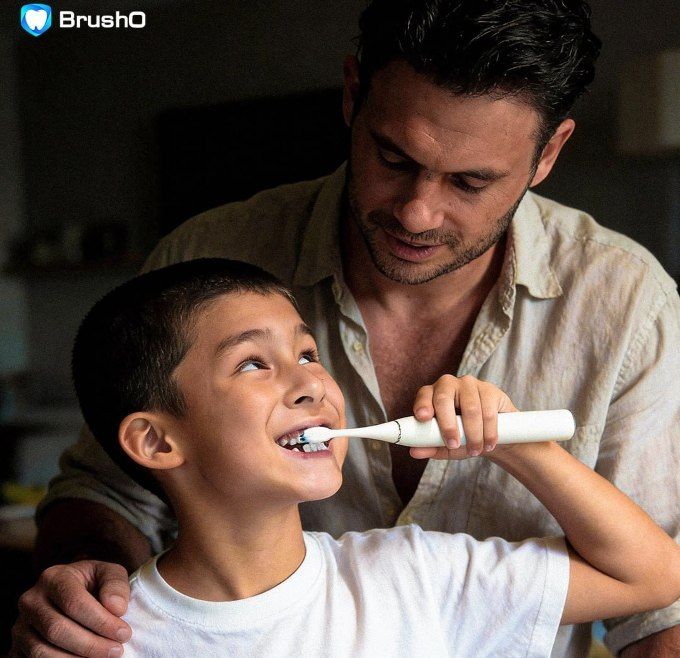
Helping kids brush their teeth shouldn’t feel like a wrestling match. However, if your child screams, cries, or refuses to brush altogether, you’re not alone. Many children develop fear or resistance to brushing due to:
• Sensory sensitivities
• Fear of choking or gagging
• Bad memories from dental visits
• Lack of understanding of why brushing matters
Fortunately, there are ways to gently guide children past this fear and help them feel in control of their dental care journey.
Before reaching for the toothbrush, talk with your child about their feelings. Ask:
“What don’t you like about brushing?”
“Does something hurt or feel uncomfortable?”
By showing empathy, you validate their feelings and reduce resistance. Avoid scolding or forcing brushing—it can reinforce fear.
Kids are often more sensitive to textures and vibrations. That’s where a smart, child-friendly toothbrush like BrushO can make a difference.
Why BrushO Works for Kids:
• Gentle, adjustable modes for different age groups and sensitivities
• Pressure control to prevent aggressive brushing
• Fun app feedback that rewards consistency
• Soft bristles and ergonomic grip for little hands
Making brushing feel comfortable and safe is the first step in eliminating fear.
Make brushing fun—not a chore. Try:
• Brushing together as a family to model behavior
• Brushing songs or videos to match the 2-minute mark
• Sticker charts or “Brush & Earn” systems for small rewards
• Letting them brush your teeth first, then switching roles
Games reduce fear and increase motivation through laughter and play.
Let your child make small choices:
• Pick their favorite toothbrush color
• Choose the toothpaste flavor
• Set the brushing timer or play the app game themselves
These little decisions give them a sense of ownership, which boosts confidence.
Children thrive on routine. If brushing is always rushed or chaotic, it may trigger anxiety.
Try brushing:
• At the same time every day (morning and night)
• In the same setting (e.g., with a favorite toy nearby)
• With soothing background music
Routines signal safety. Over time, the act becomes expected—and less scary.
If your child is still young, start with gentle finger brushing or letting them play with a toothbrush. The earlier they are exposed to brushing, the more likely they are to accept it as part of daily life.
Instead of focusing on what they’re doing wrong, highlight the wins:
• “You did a great job brushing the back teeth today!”
• “Your smile looks super shiny!”
• “Let’s check your BrushO score together—so proud of you!”
Positive feedback encourages repeat behavior and builds self-esteem.
The BrushO Smart Toothbrush App turns daily brushing into an interactive experience for kids:
• Real-time feedback keeps brushing on track
• Fun visuals and brushing score rewards
• Progress tracking helps celebrate milestones
For many kids, it’s not just a toothbrush—it’s a daily mission to win points and impress their brushing buddy!
Helping your child overcome their fear of brushing doesn’t happen overnight. But with patience, the right tools, and a bit of creativity, you can turn dental care into a positive, fear-free experience. Smart products like BrushO make the journey smoother—guiding kids gently, encouraging good habits, and making brushing something to look forward to.
BrushO is an AI-powered smart toothbrush that helps users of all ages build better brushing habits. With advanced motion tracking, pressure detection, and personalized feedback through a connected app, BrushO transforms toothbrushing into a smarter, more enjoyable experience. For families, it’s the perfect tool to create healthy habits from the start.
Jul 30
Jul 30
Jul 29
Jul 22
Jul 19
Jul 17

The posterior maxilla is the most demanding site in implant dentistry, because the pneumatized maxillary sinus frequently leaves the clinician with less bone than the implant requires. Maxillary sinus augmentation, the surgical procedure that raises the sinus floor to create vertical bone, has be...

The rubber dam is the oldest and still the most effective isolation device in restorative dentistry, and its reputation as an inconvenient extra step survives among practitioners who have never measured the time it actually saves. The dam isolates the field from the saliva, the tongue, and the ch...

The margin is the most vulnerable line in fixed prosthodontics, because it is the only boundary between the prepared tooth, the restoration, and the oral environment that the clinician cannot fully seal by effort alone. A restoration that fits seamlessly at the margin resists leakage, caries, and...

The masticatory system is built for function, yet much of its damage comes from habits that serve no purpose. Parafunctional habits, the clenching, the grinding, and the tongue pressing performed outside of normal function, sit behind much of the tooth wear, the temporomandibular pain, and the my...

Chronic mouth breathing in the growing child is seldom a dental problem in origin and almost always a facial one in consequence. The child who sleeps with the mouth open bypasses the physiologic benefits of nasal respiration, and the posture that the airway forces upon the tongue, the mandible, a...

The immediate denture is the prosthesis placed on the day the teeth are extracted, sparing the patient the edentulous interval the conventional denture imposes and preserving the occlusal vertical dimension, the facial support, and the appearance through the transition. The clinical literature ha...

The Class III malocclusion in the growing child carries a special urgency, because the maxillary deficiency that marks the pattern does not correct itself and the window for the growth-modifying treatment closes with the skeletal maturity. Elastic protraction, the orthopedic therapy that pulls th...

The denture is the only prosthetic device in medicine that its owner is expected to wear daily and to clean personally, yet it is also the device most commonly neglected until the signs of disease appear. A biofilm that forms on the acrylic base within hours is a reservoir of candida and bacteria...

The complete denture stands or falls on the impression, because the impression determines how well the base follows the mucous membrane and how evenly the occlusal load is distributed across the basal seat. For a century the profession has argued about whether the impression should record the muc...

The all-ceramic crown has moved from a niche product to the default restoration for the anterior single tooth in a single clinical generation, driven by patient demand for metal-free appearance and by materials that now survive functional loading as reliably as their metal-ceramic predecessors. A...

BrushO AI電動歯ブラシは、リアルタイムのブラッシングガイド、圧力フィードバック、磨き残しの確認、アプリでの進捗レポートにより、毎日のケアをより清潔にサポートします。


Address: RM 1427, 14/F RADIO CITY 505, HENNESSY RD CAUSEWAY BAY, HONG KONG
Code: 000000
Phone: +852-53758652
Email: customerservice@brusho.com