
Jul 30
Jul 30
Jul 29
Jul 22
Jul 19
Jul 17
When spring blooms or fall leaves fall, many people brace themselves for allergy symptoms like sneezing, congestion, and itchy eyes. But what’s often overlooked is the effect seasonal allergies can have on your oral health. From dry mouth caused by antihistamines to sinus pressure affecting your teeth, allergies can quietly disrupt your daily oral hygiene. In this blog, we explore how allergies affect your teeth, gums, and breath—and how BrushO helps you stay ahead with smarter, more adaptive brushing habits.
Seasonal allergies trigger an immune response in your body, which often affects more than just your nose and eyes. Here’s how they impact your oral health:
Antihistamines help reduce sneezing and congestion, but they often lead to reduced saliva production. A dry mouth:
• Increases risk of plaque buildup
• Creates an ideal environment for bacteria
• Leads to bad breath and a sticky feeling in the mouth
Congested sinuses often force allergy sufferers to breathe through their mouths. Chronic mouth breathing:
• Dries out oral tissues
• Exposes gums and enamel to irritants
• Can contribute to gum inflammation and enamel erosion
Allergy-related sinus pressure, especially in the upper cheeks, can cause discomfort in the upper molars. This can be mistaken for a toothache, leading to unnecessary concern or missed real dental issues.
The mucus that drains into your throat during allergies can irritate your gums and throat. It can also:
• Alter the pH balance in your mouth
• Contribute to bad breath
• Trigger inflammation along the gumline
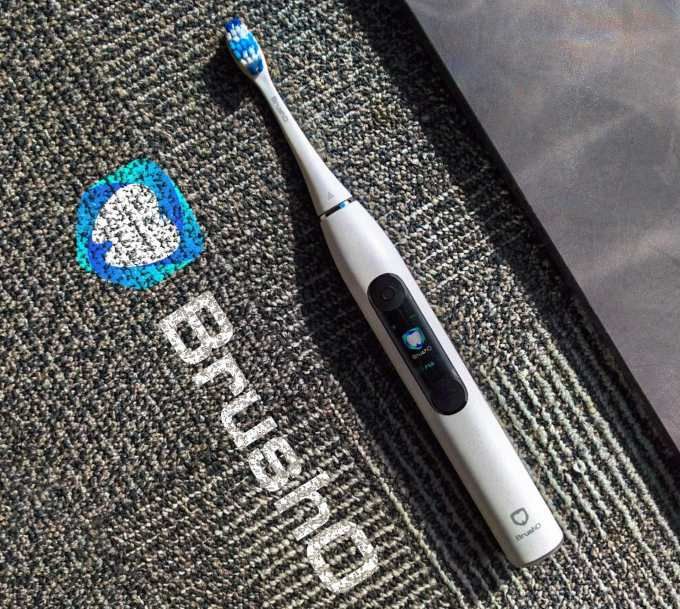
Seasonal allergies may be out of your control—but your oral care routine doesn’t have to be. BrushO helps you adapt to changes in your mouth and maintain oral health during high-allergy times:
Dry mouth? Use Ultra-Gentle Mode to avoid irritating sensitive tissue while still ensuring effective cleaning.
Post-nasal drip and sinus discomfort may cause you to skip certain areas. BrushO’s 16-surface zone tracking ensures you never miss a spot—even when you’re not feeling your best.
Brushing harder to compensate for discomfort? BrushO monitors your pressure and alerts you when you’re brushing too aggressively—protecting enamel and inflamed gums.
It’s easy to forget brushing when allergies wear you down. BrushO’s habit-tracking app gives gentle reminders, brushing scores, and health visualizations to keep your routine consistent—even when allergies hit hard.
• Stay hydrated: Drink more water to combat dry mouth caused by antihistamines.
• Rinse after sneezing: Flush allergens from your mouth with water or an alcohol-free rinse.
• Clean your brush head often: Pollen and bacteria can accumulate faster—BrushO heads are easy to sanitize or replace.
• Use a humidifier: Especially at night, to avoid excessive mouth dryness from mouth breathing.
Seasonal allergies can take a hidden toll on your oral health through dry mouth, gum irritation, and sinus pressure. But with awareness, hydration, and the right smart tools, you can protect your teeth and gums all year round. BrushO ensures that no matter how allergy season affects you, your brushing routine stays personalized, effective, and consistent.
Jul 30
Jul 30
Jul 29
Jul 22
Jul 19
Jul 17

If you are thirsty after brushing, choose plain water. Plan your usual bedtime drink before brushing and skip the immediate rinse at the sink.

Waterpik recommends warm water for its flossers. Check your own model and use comfortably lukewarm water if cold water feels sharp.

Let an intact handle return to room temperature before you consider charging it. Check your manual and watch for signs of battery or housing damage.

Lift away the paste, check the care label, and use cool water on washable fabric. Here is a quick approach for a fresh spot.

Turn the brush off, then check the fit, the connection, and the condition of the head. A second compatible head can help you narrow it down.

Look for a clean, rigid container with a secure lid and keep it with your belongings. A napkin on a lunch tray is easy to clear away.

Check the care directions for your clear retainer. Clinics give different instructions, and the right cleaning method depends on the appliance you received.

Try a gentle rinse first. If the hull sits between teeth and floss moves freely, make a careful pass and stop if it still feels stuck.

A tight gap or rough edge can catch floss. Notice where it snags, keep the movement gentle, and find out when to ask your dentist to check.

Your first sip can taste sharp after brushing. Here is what may be changing and how to make breakfast taste like breakfast again.

Lo spazzolino elettrico BrushO con IA offre guida in tempo reale, feedback sulla pressione, monitoraggio della copertura e report di progresso nell’app per una routine quotidiana più pulita.
Lo spazzolino elettrico BrushO con IA offre guida in tempo reale, feedback sulla pressione, monitoraggio della copertura e report di progresso nell’app per una routine quotidiana più pulita.


Address: RM 1427, 14/F RADIO CITY 505, HENNESSY RD CAUSEWAY BAY, HONG KONG
Code: 000000
Phone: +852-53758652
Email: customerservice@brusho.com