
Jul 30
Jul 30
Jul 29
Jul 22
Jul 19
Jul 17
Your toothbrush is supposed to keep your mouth clean—but how clean is the toothbrush itself? This article explores the surprising truth about toothbrush hygiene, including how bacteria accumulate over time, common mistakes people make with storage and replacement, and why smart toothbrushes like BrushO offer a more hygienic solution. Learn how to maintain a clean brush for healthier teeth, gums, and peace of mind.
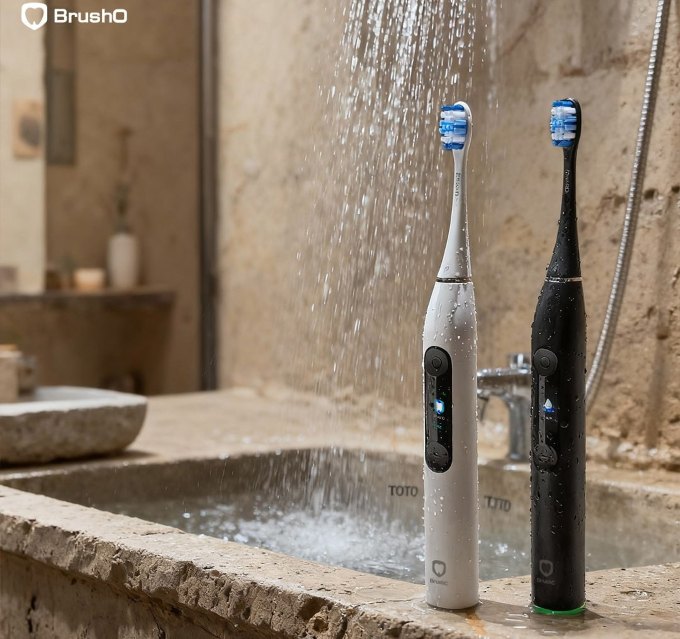
Toothbrushes are exposed to everything from saliva and plaque to airborne bathroom bacteria. Over time, these microscopic intruders accumulate on the bristles, handle, and even in the base of your brush. Common hygiene risks include:
• Bacterial contamination (E. coli, staph, streptococcus)
• Mold growth in moist environments
• Bristle breakdown, which reduces cleaning effectiveness
• Cross-contamination if brushes are stored together
Even if your brush looks clean, it may be harboring unwanted guests.
Here are some toothbrush habits that might be working against your oral health:
Worn bristles clean poorly and trap bacteria.
Moisture encourages bacterial and fungal growth.
This increases the chance of cross-contamination between family members.
While the bristles get attention, the rest of the brush is often neglected.
With BrushO’s app-connected system, users receive timely reminders to replace their brush head every 3 months. Consistent replacement ensures bristles remain clean, effective, and bacteria-free.
BrushO brush heads are designed for rapid drying, reducing moisture retention and the risk of bacterial growth. The brush head material and airflow-optimized shape keep it dry—even in humid bathrooms.
The BrushO app doesn’t just track how you brush—it tracks how long you’ve been using each brush head. That means you’ll never lose track of when it’s time for a change, even on vacation.
Thanks to the Brush & Earn program, users can earn free brush head refills for life by brushing regularly. This encourages consistent replacement—without the cost excuse.
If you’re not yet using a smart toothbrush, here are general hygiene tips:
• Rinse bristles thoroughly after each use
• Let your toothbrush air dry vertically
• Keep it at least 1 meter from the toilet
• Never share toothbrushes
• Replace the brush or head every 90 days or sooner if bristles fray
Hygiene isn’t just about what goes into your mouth—it’s also about what you put in your mouth. BrushO ensures your brush stays as clean as your smile, with features like:
✅ Intelligent usage tracking
✅ Automatic replacement reminders
✅ Fast-drying hygienic head design
✅ Lifetime refills that keep you stocked
✅ Smart cleaning performance every day
BrushO is a smart AI-powered toothbrush that tracks your brushing behavior, guides technique, and helps you maintain oral hygiene with intelligent features like brush head replacement reminders, zone-based scoring, and a reward-based refill system. BrushO is more than a toothbrush—it’s a health companion built for cleaner living.
Dec 5
Nov 28
Jul 30
Jul 30
Jul 29
Jul 22
Jul 19
Jul 17

PPM describes concentration, not the amount to put on the brush. Learn how to read fluoride information while keeping regional guidance and individual advice in view.

That forgotten tube deserves a label check. Learn what toothpaste shelf-life information refers to, why storage matters, and how to avoid guessing from appearance.

Clear gel or opaque paste? Texture is only one feature. Learn which label details matter when comparing toothpastes for your brushing routine.

Minty toothpaste can create a cooling sensation without being chilled. Explore what menthol does and why a fresh feeling is different from complete cleaning.

The sound of a powered brush comes with its moving mechanism. Learn how normal operating noise differs from alerts or an unexpected change that needs checking.

Toothpaste on the mirror? Check when you switch the brush on and off, how you position it, and how to pause without rushing your routine.

A whitening brushing program and a bleaching treatment are different things. Learn how to interpret mode names, surface-stain claims, and realistic expectations.

A tiny cluster of bristles serves a different purpose from a full-size head. Learn where a single-tuft brush may fit into an individually recommended cleaning routine.

Angled tufts, different bristle heights, and the angle of your hand are separate design questions. Learn how to read a toothbrush-head description clearly.

A larger head is not an automatic shortcut to cleaner teeth. Learn how head size affects access, positioning, and the fit of your daily brushing routine.

Lo spazzolino elettrico BrushO con IA offre guida in tempo reale, feedback sulla pressione, monitoraggio della copertura e report di progresso nell’app per una routine quotidiana più pulita.
Lo spazzolino elettrico BrushO con IA offre guida in tempo reale, feedback sulla pressione, monitoraggio della copertura e report di progresso nell’app per una routine quotidiana più pulita.


Address: RM 1427, 14/F RADIO CITY 505, HENNESSY RD CAUSEWAY BAY, HONG KONG
Code: 000000
Phone: +852-53758652
Email: customerservice@brusho.com