
Jul 30
Jul 30
Jul 29
Jul 22
Jul 19
Jul 17
To many parents, getting their child to brush their teeth can feel like an exhausting daily battle. Whether it’s the ticklish sensation, a fear of the toothbrush, or bad past experiences, dental anxiety in children is real—and very common. The good news? With the right approach, you can turn brushing time from tears into triumph. In this article, we’ll explore practical, psychology-backed tips to help children overcome their fear of brushing and create a positive relationship with oral hygiene. From smart toothbrushes like BrushO to fun routines and rewards, let’s make healthy smiles a happy habit.
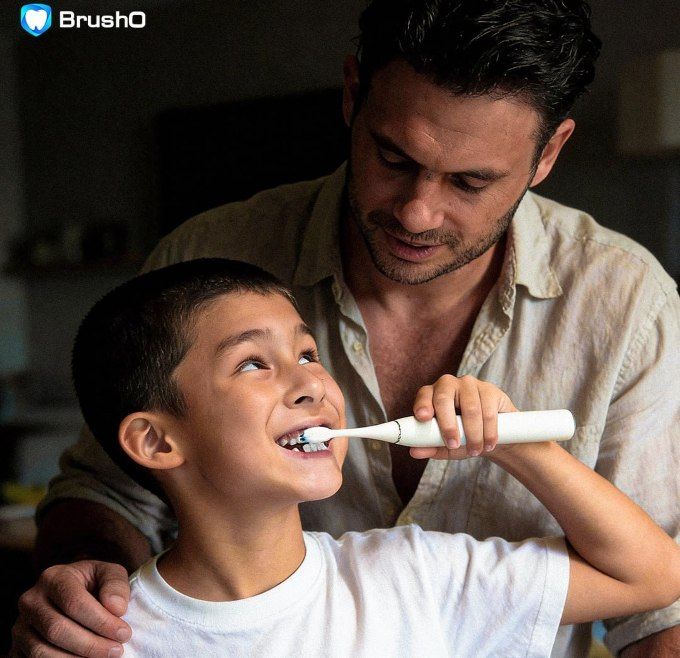
Helping kids brush their teeth shouldn’t feel like a wrestling match. However, if your child screams, cries, or refuses to brush altogether, you’re not alone. Many children develop fear or resistance to brushing due to:
• Sensory sensitivities
• Fear of choking or gagging
• Bad memories from dental visits
• Lack of understanding of why brushing matters
Fortunately, there are ways to gently guide children past this fear and help them feel in control of their dental care journey.
Before reaching for the toothbrush, talk with your child about their feelings. Ask:
“What don’t you like about brushing?”
“Does something hurt or feel uncomfortable?”
By showing empathy, you validate their feelings and reduce resistance. Avoid scolding or forcing brushing—it can reinforce fear.
Kids are often more sensitive to textures and vibrations. That’s where a smart, child-friendly toothbrush like BrushO can make a difference.
Why BrushO Works for Kids:
• Gentle, adjustable modes for different age groups and sensitivities
• Pressure control to prevent aggressive brushing
• Fun app feedback that rewards consistency
• Soft bristles and ergonomic grip for little hands
Making brushing feel comfortable and safe is the first step in eliminating fear.
Make brushing fun—not a chore. Try:
• Brushing together as a family to model behavior
• Brushing songs or videos to match the 2-minute mark
• Sticker charts or “Brush & Earn” systems for small rewards
• Letting them brush your teeth first, then switching roles
Games reduce fear and increase motivation through laughter and play.
Let your child make small choices:
• Pick their favorite toothbrush color
• Choose the toothpaste flavor
• Set the brushing timer or play the app game themselves
These little decisions give them a sense of ownership, which boosts confidence.
Children thrive on routine. If brushing is always rushed or chaotic, it may trigger anxiety.
Try brushing:
• At the same time every day (morning and night)
• In the same setting (e.g., with a favorite toy nearby)
• With soothing background music
Routines signal safety. Over time, the act becomes expected—and less scary.
If your child is still young, start with gentle finger brushing or letting them play with a toothbrush. The earlier they are exposed to brushing, the more likely they are to accept it as part of daily life.
Instead of focusing on what they’re doing wrong, highlight the wins:
• “You did a great job brushing the back teeth today!”
• “Your smile looks super shiny!”
• “Let’s check your BrushO score together—so proud of you!”
Positive feedback encourages repeat behavior and builds self-esteem.
The BrushO Smart Toothbrush App turns daily brushing into an interactive experience for kids:
• Real-time feedback keeps brushing on track
• Fun visuals and brushing score rewards
• Progress tracking helps celebrate milestones
For many kids, it’s not just a toothbrush—it’s a daily mission to win points and impress their brushing buddy!
Helping your child overcome their fear of brushing doesn’t happen overnight. But with patience, the right tools, and a bit of creativity, you can turn dental care into a positive, fear-free experience. Smart products like BrushO make the journey smoother—guiding kids gently, encouraging good habits, and making brushing something to look forward to.
BrushO is an AI-powered smart toothbrush that helps users of all ages build better brushing habits. With advanced motion tracking, pressure detection, and personalized feedback through a connected app, BrushO transforms toothbrushing into a smarter, more enjoyable experience. For families, it’s the perfect tool to create healthy habits from the start.
Jul 30
Jul 30
Jul 29
Jul 22
Jul 19
Jul 17

PPM describes concentration, not the amount to put on the brush. Learn how to read fluoride information while keeping regional guidance and individual advice in view.

That forgotten tube deserves a label check. Learn what toothpaste shelf-life information refers to, why storage matters, and how to avoid guessing from appearance.

Clear gel or opaque paste? Texture is only one feature. Learn which label details matter when comparing toothpastes for your brushing routine.

Minty toothpaste can create a cooling sensation without being chilled. Explore what menthol does and why a fresh feeling is different from complete cleaning.

The sound of a powered brush comes with its moving mechanism. Learn how normal operating noise differs from alerts or an unexpected change that needs checking.

Toothpaste on the mirror? Check when you switch the brush on and off, how you position it, and how to pause without rushing your routine.

A whitening brushing program and a bleaching treatment are different things. Learn how to interpret mode names, surface-stain claims, and realistic expectations.

A tiny cluster of bristles serves a different purpose from a full-size head. Learn where a single-tuft brush may fit into an individually recommended cleaning routine.

Angled tufts, different bristle heights, and the angle of your hand are separate design questions. Learn how to read a toothbrush-head description clearly.

A larger head is not an automatic shortcut to cleaner teeth. Learn how head size affects access, positioning, and the fit of your daily brushing routine.

La brosse à dents électrique BrushO avec IA offre un guidage en temps réel, un retour sur la pression, un suivi de la couverture et des rapports de progression dans l’app pour une routine quotidienne plus propre.
La brosse à dents électrique BrushO avec IA offre un guidage en temps réel, un retour sur la pression, un suivi de la couverture et des rapports de progression dans l’app pour une routine quotidienne plus propre.


Address: RM 1427, 14/F RADIO CITY 505, HENNESSY RD CAUSEWAY BAY, HONG KONG
Code: 000000
Phone: +852-53758652
Email: customerservice@brusho.com