
Jul 30
Jul 30
Jul 29
Jul 22
Jul 19
Jul 17
Many people don’t realize how something as simple as how you breathe can significantly impact your oral health. Mouth breathing—whether caused by allergies, sleep habits, or nasal obstructions—can dry out your mouth, disrupt saliva balance, and accelerate dental issues like gum inflammation, enamel erosion, and cavities. This article breaks down how mouth breathing affects your teeth and gums, what symptoms to watch for, and how smart tools like BrushO can help prevent the damage caused by this overlooked habit.
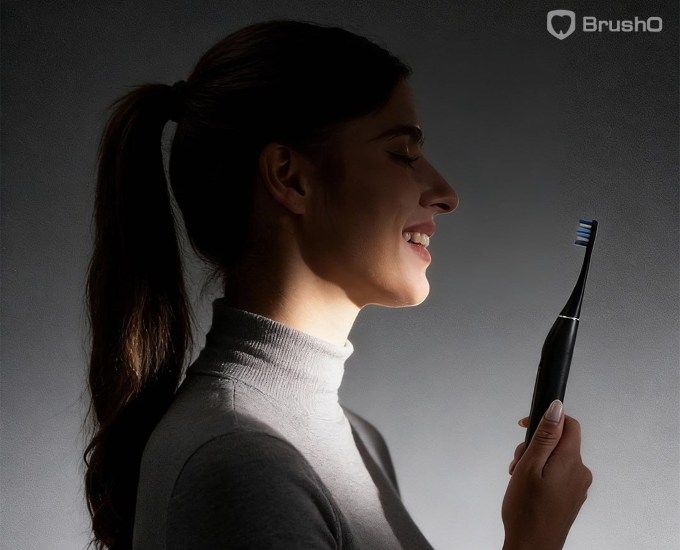
Mouth breathing refers to the act of inhaling and exhaling primarily through the mouth instead of the nose. While occasional mouth breathing (like during heavy exercise or nasal congestion) is normal, chronic mouth breathing—especially during sleep—can have harmful effects on your health.
Saliva is essential for washing away food particles and bacteria. Mouth breathing leads to reduced saliva, which creates a dry environment where plaque and harmful bacteria thrive.
A dry mouth means less natural protection. Without enough saliva to neutralize acids and re-mineralize enamel, your teeth become more vulnerable to decay.
Mouth breathing can lead to inflamed, red, or receding gums. Children and adults alike may develop early signs of gingivitis if this habit isn’t addressed.
A lack of saliva and increased bacterial buildup can cause persistent bad breath. If you’ve noticed morning breath that doesn’t go away, mouth breathing could be the cause.
In children, prolonged mouth breathing can affect facial development, cause improper bite alignment, and even change the shape of the jaw over time.
• Waking up with a dry mouth or sore throat
• Snoring or open-mouth sleeping
• Frequent cavities or inflamed gums
• Cracked lips or bad breath
• Feeling tired despite a full night’s sleep
BrushO smart toothbrush technology provides multiple layers of protection for those affected by dry mouth or poor nighttime brushing:
Prevents over-brushing on dry, sensitive gums—something mouth breathers are more prone to.
Helps users focus on areas they may neglect, especially the gums and molars, which are highly susceptible to damage from dry conditions.
BrushO offers gentle cleaning modes perfect for those dealing with inflamed gums or enamel sensitivity due to dry mouth.
If you consistently brush with signs of stress or neglect certain zones, the app will guide you to improve your habits and techniques—even when dealing with mouth breathing challenges.
• Consult an ENT or orthodontist if mouth breathing is chronic.
• Use a humidifier in your bedroom to reduce nighttime dryness.
• Stay hydrated and chew sugar-free gum to stimulate saliva.
• Floss and brush consistently with a toothbrush like BrushO to minimize plaque buildup.
• Clean your tongue to reduce bacterial load in the mouth.
Mouth breathing might seem harmless, but its long-term impact on oral health can be serious. From gum inflammation to enamel erosion, the risks are real—but preventable. By understanding the signs and equipping yourself with smart oral care technology like BrushO, you can protect your smile and support healthier breathing habits for the long run.
Jul 30
Jul 30
Jul 29
Jul 22
Jul 19
Jul 17

Teledentistry—the use of information and communication technologies to deliver dental care, consultation, education, and public health services across geographic distances—has undergone an unprecedented transformation in recent years. While the concept dates to the 1990s, the COVID-19 pandemic catal

The field of endodontics has undergone a paradigm shift over the past two decades. Traditional root canal therapy, while effective at eliminating infection and preserving teeth, ultimately results in a non-vital tooth that is more brittle and susceptible to fracture. Regenerative endodontics offers

The human oral cavity harbors one of the most diverse and dynamic microbial communities in the body, second only to the gut in complexity. Advances in culture-independent molecular techniques—particularly 16S rRNA gene sequencing and shotgun metagenomics—have transformed our understanding of the ora

Medication-related osteonecrosis of the jaw (MRONJ) is a serious adverse event characterized by exposed necrotic bone in the maxillofacial region that persists for more than eight weeks in patients with current or previous antiresorptive or antiangiogenic therapy and no history of head and neck radi

The dental patient population is aging, and the prevalence of chronic medical conditions continues to rise. The World Health Organization projects that by 2050, the proportion of the global population over 60 years will double from 12% to 22%, with a corresponding increase in the burden of multimorb

Saliva has emerged as a powerful diagnostic fluid that reflects the physiological and pathological state of the body. As an ultrafiltrate of blood, saliva contains a complex mixture of proteins, nucleic acids, metabolites, and microorganisms that originate from multiple sources: salivary glands, gin

Peri-implantitis has emerged as one of the most significant complications in implant dentistry, affecting an estimated 20% of patients and 10% of implants at the patient and implant levels respectively. As the global population of dental implants grows, the burden of peri-implant disease is expandin

Molar Incisor Hypomineralization (MIH) is a qualitative developmental enamel defect affecting one to four first permanent molars, frequently with concurrent involvement of permanent incisors. First described systematically by Weerheijm and colleagues in 2001, MIH has since been recognized as a globa

Digital Smile Design (DSD) has revolutionized aesthetic dentistry by providing a systematic, communication-centered approach to treatment planning. Developed by Dr. Christian Coachman in 2007, DSD integrates facial and dental analysis, intraoral and extraoral digital data, and interdisciplinary coll

Additive manufacturing, commonly known as 3D printing, has transformed dentistry over the past decade from a niche prototyping tool into an integral component of digital workflows. The technology enables the fabrication of surgical guides, dental models, temporary and permanent restorations, denture

El cepillo eléctrico BrushO con IA ofrece guía de cepillado en tiempo real, feedback de presión, seguimiento de cobertura e informes de progreso en la app para una rutina diaria más limpia.
El cepillo eléctrico BrushO con IA ofrece guía de cepillado en tiempo real, feedback de presión, seguimiento de cobertura e informes de progreso en la app para una rutina diaria más limpia.


Address: RM 1427, 14/F RADIO CITY 505, HENNESSY RD CAUSEWAY BAY, HONG KONG
Code: 000000
Phone: +852-53758652
Email: customerservice@brusho.com