
Jul 30
Jul 30
Jul 29
Jul 22
Jul 19
Jul 17
Many parents wonder whether electric toothbrushes are safe and effective for their children — and when is the right time to introduce them. While manual brushing works fine for toddlers, studies show that children as young as 3 years old can benefit from using an electric toothbrush with adult supervision. In this article, we explore the best age to start, what features to look for, and how smart brushes like BrushO can make brushing more engaging, educational, and effective for kids of all ages.
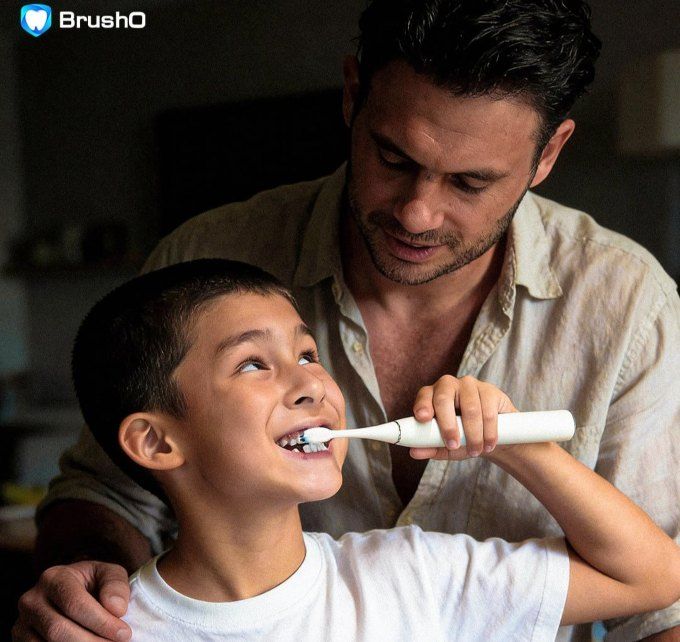
Good oral hygiene habits should begin early in life. Cavities are one of the most common chronic diseases among children, and improper brushing techniques or neglecting certain areas can lead to:
• Plaque buildup
• Gum inflammation
• Tooth decay
• Long-term oral health issues
That’s why choosing the right tool — and teaching your child how to brush effectively — is key.
Most dentists recommend that children start using electric toothbrushes at around age 3, as long as:
• The brush head is age-appropriate (small and soft-bristled)
• Brushing is supervised by an adult
• The child does not chew on the brush or use it improperly
• The toothbrush has safety features like gentle pressure control
By age 6–7, many children have developed the motor skills to brush more independently, and using a smart electric brush can help reinforce better technique and consistent routines.
Electric toothbrushes offer several advantages for children:
Vibrating or rotating brush heads help remove more plaque than manual brushing, especially for kids who rush or struggle with dexterity.
Brushing becomes a game, especially with sound cues, timers, or app integrations that make oral care enjoyable.
Built-in timers and smart feedback help children learn the recommended two-minute brushing and cover all zones of the mouth.
Electric brushes do most of the work, which is ideal for younger kids who haven’t yet mastered brushing motions.
BrushO’s AI-powered features make it a great fit not only for adults but also for kids starting their smart brushing journey:
✅ Gentle Modes: Ultra-Gentle mode for sensitive gums or smaller mouths
📱 Real-Time Feedback: Let's parents monitor pressure and brushing areas
🧩 Zone-Based Guidance: Helps kids brush all 6 zones evenly
🏆 Brushing Score & Rewards: Turn brushing into a daily goal with positive reinforcement
🎯 Customizable Settings: Adjust power and mode based on age or dental advice
By gamifying the process and tracking brushing behavior, BrushO helps children build lifelong healthy habits — and makes parenting a little easier.
• Start with short sessions and gradually increase duration
• Brush together with your child to demonstrate proper technique
• Let them choose their brush color or handle stickers for personalization
• Use positive language: Instead of saying “you missed a spot,” say “let’s try to clean this area better tomorrow!”
• Celebrate brushing milestones with stickers, rewards, or digital achievements
There’s no magic age — it’s about readiness, supervision, and choosing the right tool. Whether your child is 3 or 10, the right electric toothbrush can make all the difference. BrushO offers the technology, comfort, and motivation kids need to enjoy brushing and build great habits for life.
Jul 30
Jul 30
Jul 29
Jul 22
Jul 19
Jul 17

If you are thirsty after brushing, choose plain water. Plan your usual bedtime drink before brushing and skip the immediate rinse at the sink.

Waterpik recommends warm water for its flossers. Check your own model and use comfortably lukewarm water if cold water feels sharp.

Let an intact handle return to room temperature before you consider charging it. Check your manual and watch for signs of battery or housing damage.

Lift away the paste, check the care label, and use cool water on washable fabric. Here is a quick approach for a fresh spot.

Turn the brush off, then check the fit, the connection, and the condition of the head. A second compatible head can help you narrow it down.

Look for a clean, rigid container with a secure lid and keep it with your belongings. A napkin on a lunch tray is easy to clear away.

Check the care directions for your clear retainer. Clinics give different instructions, and the right cleaning method depends on the appliance you received.

Try a gentle rinse first. If the hull sits between teeth and floss moves freely, make a careful pass and stop if it still feels stuck.

A tight gap or rough edge can catch floss. Notice where it snags, keep the movement gentle, and find out when to ask your dentist to check.

Your first sip can taste sharp after brushing. Here is what may be changing and how to make breakfast taste like breakfast again.

BrushO AI Electric Toothbrush offers real-time brushing guidance, pressure feedback, coverage tracking, and app-based progress reports for a cleaner daily routine.
BrushO AI Electric Toothbrush offers real-time brushing guidance, pressure feedback, coverage tracking, and app-based progress reports for a cleaner daily routine.


Address: RM 1427, 14/F RADIO CITY 505, HENNESSY RD CAUSEWAY BAY, HONG KONG
Code: 000000
Phone: +852-53758652
Email: customerservice@brusho.com