
Jul 30
Jul 30
Jul 29
Jul 22
Jul 19
Jul 17
Your mouth hosts billions of microorganisms forming the oral microbiome — a dynamic ecosystem where beneficial and harmful bacteria constantly compete. While some microbes protect enamel, regulate pH, and support immune defense, others drive cavities, gum disease, and systemic inflammation. Understanding this balance is critical for maintaining long-term oral and overall health. This article explores the roles of good versus harmful oral bacteria, how daily habits influence microbial equilibrium, and how AI-guided brushing tools can help preserve beneficial microbial function while reducing pathogenic buildup.
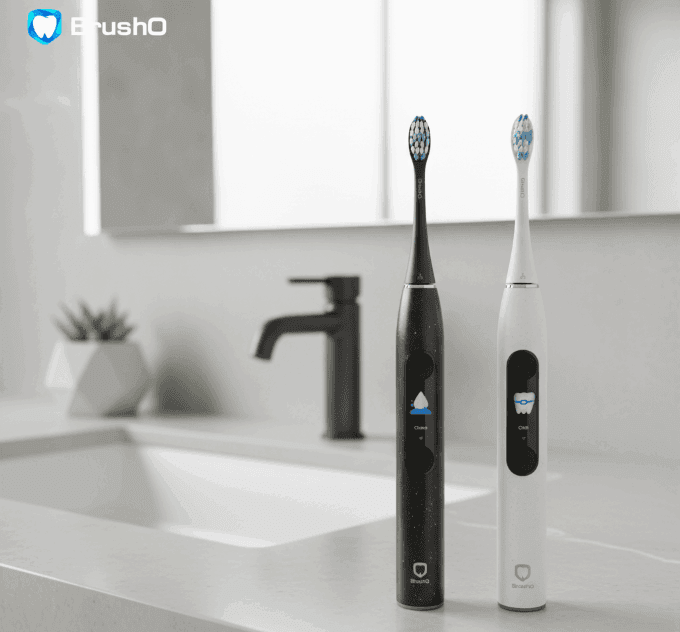
The oral microbiome refers to the diverse population of bacteria living on teeth, gums, tongue, and saliva surfaces. Scientists have identified more than 700 microbial species inhabiting the mouth.
This ecosystem exists in a delicate balance:
• Beneficial bacteria regulate harmful populations
• Harmful bacteria exploit imbalances
• Hygiene habits influence microbial composition
Oral health is not about eliminating bacteria — it is about maintaining equilibrium.
Not all bacteria are harmful. Certain microbes perform essential protective functions.
Functions of Good Oral Bacteria
• Neutralize harmful acids
• Support enamel remineralization
• Aid digestion through early food breakdown
• Help regulate immune response
• Compete against pathogenic microbes
Healthy bacterial presence contributes to stability rather than disease.
What Supports Beneficial Bacteria
• Consistent gentle brushing
• Balanced nutrition
• Hydration and saliva production
• Avoiding excessive antibacterial overuse
Maintaining microbial diversity is key.
When an imbalance occurs, pathogenic bacteria dominate and trigger disease processes.
Common Effects
• Plaque formation
• Enamel demineralization
• Gum inflammation
• Persistent bad breath
• Periodontal tissue destruction
These bacteria thrive when hygiene is inconsistent or incomplete.
Several lifestyle factors shift bacterial composition:
• High sugar diets
• Poor brushing coverage
• Excessive pressure is damaging gums
• Dry mouth or dehydration
• Irregular oral hygiene routines
Over time, an imbalance leads to chronic oral health deterioration.
Modern oral care technology helps manage bacterial load without disrupting beneficial function.
BrushO Supports Microbiome Stability Through
6-zone × 16-surface tracking ensures plaque removal before harmful colonies expand.
Prevents aggressive brushing that damages protective gum barriers.
Habit reports reinforce daily microbial control.
Tailored cleaning intensity supports gum health and microbial equilibrium.
By improving brushing quality rather than simply increasing intensity, AI-guided care promotes healthy microbiome balance.
Evidence-supported practices include:
• Brushing twice daily with correct technique
• Cleaning along the gumline
• Flossing regularly
• Maintaining hydration
• Limiting sugar frequency
• Using smart feedback tools
Consistency shapes microbial composition over time.
The distinction between good and bad mouth bacteria underscores a fundamental truth: oral health depends on balance rather than elimination. Beneficial microbes protect the mouth, while harmful populations exploit neglect and imbalance. Through targeted plaque control, technique guidance, and habit tracking, tools like BrushO enable users to manage bacterial ecosystems intelligently. Supporting beneficial bacteria while limiting pathogenic growth ensures healthier teeth, stronger gums, and improved systemic resilience. Oral care is not just cleaning — it is ecological management.
Jul 30
Jul 30
Jul 29
Jul 22
Jul 19
Jul 17

If you are thirsty after brushing, choose plain water. Plan your usual bedtime drink before brushing and skip the immediate rinse at the sink.

Waterpik recommends warm water for its flossers. Check your own model and use comfortably lukewarm water if cold water feels sharp.

Let an intact handle return to room temperature before you consider charging it. Check your manual and watch for signs of battery or housing damage.

Lift away the paste, check the care label, and use cool water on washable fabric. Here is a quick approach for a fresh spot.

Turn the brush off, then check the fit, the connection, and the condition of the head. A second compatible head can help you narrow it down.

Look for a clean, rigid container with a secure lid and keep it with your belongings. A napkin on a lunch tray is easy to clear away.

Check the care directions for your clear retainer. Clinics give different instructions, and the right cleaning method depends on the appliance you received.

Try a gentle rinse first. If the hull sits between teeth and floss moves freely, make a careful pass and stop if it still feels stuck.

A tight gap or rough edge can catch floss. Notice where it snags, keep the movement gentle, and find out when to ask your dentist to check.

Your first sip can taste sharp after brushing. Here is what may be changing and how to make breakfast taste like breakfast again.

BrushO AI ইলেকট্রিক টুথব্রাশ রিয়েল-টাইম ব্রাশিং গাইড, চাপের ফিডব্যাক, কভারেজ ট্র্যাকিং এবং অ্যাপ-ভিত্তিক অগ্রগতি রিপোর্ট দেয়, যাতে দৈনন্দিন রুটিন আরও পরিষ্কার ও সহজ হয়।
BrushO AI ইলেকট্রিক টুথব্রাশ রিয়েল-টাইম ব্রাশিং গাইড, চাপের ফিডব্যাক, কভারেজ ট্র্যাকিং এবং অ্যাপ-ভিত্তিক অগ্রগতি রিপোর্ট দেয়, যাতে দৈনন্দিন রুটিন আরও পরিষ্কার ও সহজ হয়।


Address: RM 1427, 14/F RADIO CITY 505, HENNESSY RD CAUSEWAY BAY, HONG KONG
Code: 000000
Phone: +852-53758652
Email: customerservice@brusho.com