
Jul 30
Jul 30
Jul 29
Jul 22
Jul 19
Jul 17
Even with the best intentions, many kids struggle to brush their teeth properly—especially when it comes to reaching corners, molars, and gumlines. Missed areas during brushing can lead to plaque buildup, cavities, and long-term dental issues. But why do children often leave parts of their mouths uncleaned? In this article, we’ll explore the reasons behind this common issue and how smart brushing habits can make a big difference. Whether you’re a parent or a caregiver, understanding the problem is the first step to solving it.
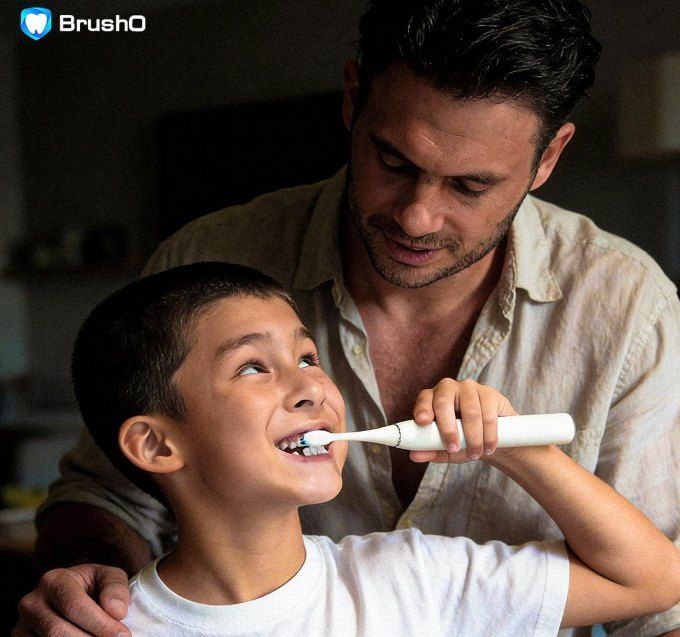
Children, especially those under 8, haven’t fully developed the motor skills needed for precise brushing. They may not have the hand strength or coordination to:
• Angle the toothbrush properly
• Apply the right amount of pressure
• Reach the back molars or upper corners
This leads to inconsistent coverage, with key areas left untouched.
Let’s face it—brushing teeth isn’t the most exciting task for a child. Most kids:
• Rush through brushing in under 30 seconds
• Skip areas to “get it over with”
• Forget to clean the inner sides or back molars
Without supervision, children are unlikely to spend the full 2 minutes and cover all zones of their mouth.
Kids often don’t realize which parts of their mouth they’re neglecting. Unlike adults, they don’t feel or see the consequences of:
• Missed plaque along the gumline
• Food stuck between teeth
• Uneven brushing pressure
This lack of feedback leads to habitual skipping of the same zones.
Many children are taught to “just brush up and down,” which is insufficient. Without proper guidance on:
• Brushing in circular motions
• Covering all tooth surfaces
• Cleaning the tongue and gumline
They’re more likely to use poor technique, missing critical areas.
When children consistently miss parts of their mouth, it can result in:
• Plaque buildup in hard-to-reach zones
• Tooth decay, especially in back molars
• Gum inflammation and early signs of gingivitis
• Bad breath caused by bacterial growth
Long-term poor brushing can lead to dental anxiety, expensive treatments, and discomfort during cleanings.
BrushO’s AI-powered toothbrush is designed to solve these problems with real-time, kid-friendly guidance:
• Tracks which areas have been brushed
• Alerts kids (and parents) when zones are missed
• Encourages complete, even coverage
• Prevents kids from brushing too hard (which can harm gums)
• Guides correct circular motion through haptic or visual cues
• View daily brushing history and performance
• Identify patterns of neglect and address them early
• Get notifications when brushing routines are skipped
• Kids earn rewards for brushing thoroughly
• Turns brushing into a gamified experience
• Builds long-term habits through positive reinforcement
Here’s how you can help your child improve brushing habits:
• Brush together to model good technique
• Use a mirror so kids can see what they’re doing
• Play a 2-minute song or timer
• Use a smart brush like BrushO to provide structure and fun
• Avoid sugary snacks before bed
Brushing corners and molars can be tricky for kids, but it’s not impossible. The key lies in combining education, habit-building, and the right tools. With BrushO’s smart technology, kids don’t just brush—they learn how to brush better. And with every properly cleaned tooth, they move closer to a lifetime of healthy smiles.
Jul 30
Jul 30
Jul 29
Jul 22
Jul 19
Jul 17

If you are thirsty after brushing, choose plain water. Plan your usual bedtime drink before brushing and skip the immediate rinse at the sink.

Waterpik recommends warm water for its flossers. Check your own model and use comfortably lukewarm water if cold water feels sharp.

Let an intact handle return to room temperature before you consider charging it. Check your manual and watch for signs of battery or housing damage.

Lift away the paste, check the care label, and use cool water on washable fabric. Here is a quick approach for a fresh spot.

Turn the brush off, then check the fit, the connection, and the condition of the head. A second compatible head can help you narrow it down.

Look for a clean, rigid container with a secure lid and keep it with your belongings. A napkin on a lunch tray is easy to clear away.

Check the care directions for your clear retainer. Clinics give different instructions, and the right cleaning method depends on the appliance you received.

Try a gentle rinse first. If the hull sits between teeth and floss moves freely, make a careful pass and stop if it still feels stuck.

A tight gap or rough edge can catch floss. Notice where it snags, keep the movement gentle, and find out when to ask your dentist to check.

Your first sip can taste sharp after brushing. Here is what may be changing and how to make breakfast taste like breakfast again.

BrushO AI Electric Toothbrush offers real-time brushing guidance, pressure feedback, coverage tracking, and app-based progress reports for a cleaner daily routine.
BrushO AI Electric Toothbrush offers real-time brushing guidance, pressure feedback, coverage tracking, and app-based progress reports for a cleaner daily routine.


Address: RM 1427, 14/F RADIO CITY 505, HENNESSY RD CAUSEWAY BAY, HONG KONG
Code: 000000
Phone: +852-53758652
Email: customerservice@brusho.com