
Jul 30
Jul 30
Jul 29
Jul 22
Jul 19
Jul 17
Everyone experiences bad breath from time to time — especially in the morning. But for many, halitosis (chronic bad breath) is a daily struggle. It’s not just about garlic or coffee; the root causes often lie deeper in your oral care routine. Understanding what causes bad breath is the first step toward a fresher, healthier mouth — and BrushO is here to help you tackle it with technology.
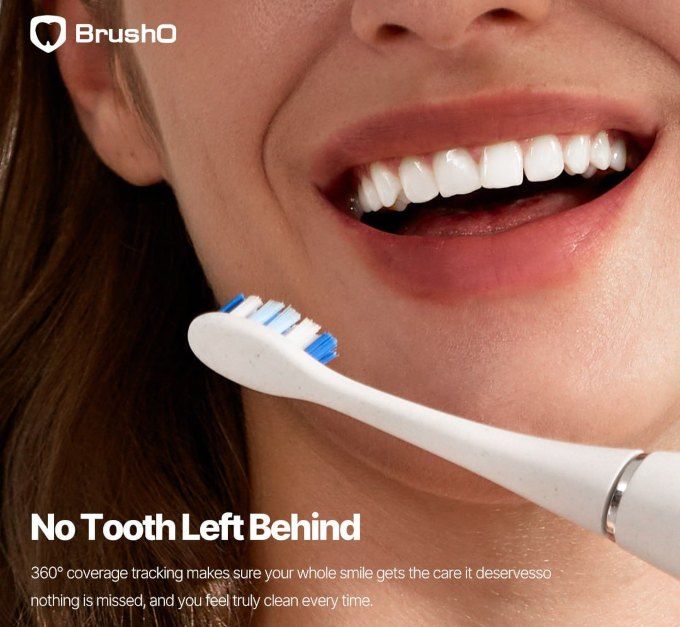
When food particles and plaque aren’t properly removed, they break down and release foul-smelling sulfur compounds. Missed brushing zones = lingering bacteria.
Common Signs:
• White or yellow coating on the tongue
• Persistent odor despite brushing
• Bleeding gums or sensitivity
Over 50% of mouth bacteria live on the tongue’s surface, especially toward the back. If not cleaned regularly, they produce volatile sulfur compounds (VSCs) that smell like rotten eggs.
🪥 Tip: Use BrushO’s built-in tongue-cleaning guidance to target these bacteria zones effectively.
Inflamed gums harbor bacteria deep in pockets between teeth and gums. As gum disease progresses, bad breath becomes more persistent.
Saliva helps wash away food and neutralize acids. If your mouth is dry, bacteria thrive. This can happen due to:
• Medications
• Mouth breathing
• Dehydration
Certain foods (garlic, onions, spicy foods), smoking, and high-sugar diets feed bacteria or dry out the mouth, contributing to odor.
BrushO is more than a toothbrush — it’s a smart oral care assistant. Here’s how it keeps bad breath in check:
With 6 zones and 16 surfaces, BrushO ensures no area is skipped — even those that are typically neglected, like the back molars or inner lower jaw.
Most people forget the tongue — BrushO reminds you with gentle vibrations and custom tongue-cleaning modes.
Overbrushing can cause gum recession, leading to pockets where odor-causing bacteria hide. BrushO keeps your pressure in check.
By tracking your brushing habits and giving daily brushing scores, BrushO helps you build habits that reduce bacterial buildup long-term.
• Brush twice a day with fluoride toothpaste
• Clean your tongue every time you brush
• Replace your toothbrush head every 3 months
• Drink plenty of water throughout the day
• Avoid smoking and sugary snacks
• Visit your dentist regularly for checkups
Mints and gum may mask bad breath, but only effective brushing and proper oral care can solve it. With BrushO, you get real-time feedback, complete coverage, and tongue-cleaning support — all designed to fight the root causes of bad breath. It’s time to ditch the mints and trust science-backed brushing to keep your breath fresh and your mouth healthy.
Jul 30
Jul 30
Jul 29
Jul 22
Jul 19
Jul 17

PPM describes concentration, not the amount to put on the brush. Learn how to read fluoride information while keeping regional guidance and individual advice in view.

That forgotten tube deserves a label check. Learn what toothpaste shelf-life information refers to, why storage matters, and how to avoid guessing from appearance.

Clear gel or opaque paste? Texture is only one feature. Learn which label details matter when comparing toothpastes for your brushing routine.

Minty toothpaste can create a cooling sensation without being chilled. Explore what menthol does and why a fresh feeling is different from complete cleaning.

The sound of a powered brush comes with its moving mechanism. Learn how normal operating noise differs from alerts or an unexpected change that needs checking.

Toothpaste on the mirror? Check when you switch the brush on and off, how you position it, and how to pause without rushing your routine.

A whitening brushing program and a bleaching treatment are different things. Learn how to interpret mode names, surface-stain claims, and realistic expectations.

A tiny cluster of bristles serves a different purpose from a full-size head. Learn where a single-tuft brush may fit into an individually recommended cleaning routine.

Angled tufts, different bristle heights, and the angle of your hand are separate design questions. Learn how to read a toothbrush-head description clearly.

A larger head is not an automatic shortcut to cleaner teeth. Learn how head size affects access, positioning, and the fit of your daily brushing routine.


Address: RM 1427, 14/F RADIO CITY 505, HENNESSY RD CAUSEWAY BAY, HONG KONG
Code: 000000
Phone: +852-53758652
Email: customerservice@brusho.com
