
Jul 30
Jul 30
Jul 29
Jul 22
Jul 19
Jul 17
Toothbrushing is more than a hygiene task—it’s a gateway to a healthier, more mindful lifestyle. In today’s fast-paced world, integrating oral care into your wellness routine can enhance both dental and mental health. With smart toothbrushes like BrushO, brushing becomes a personalized experience enriched by real-time feedback, habit tracking, and rewards. This article explores how you can transform your brushing routine into a rewarding wellness ritual through consistency, mindfulness, and the power of technology.
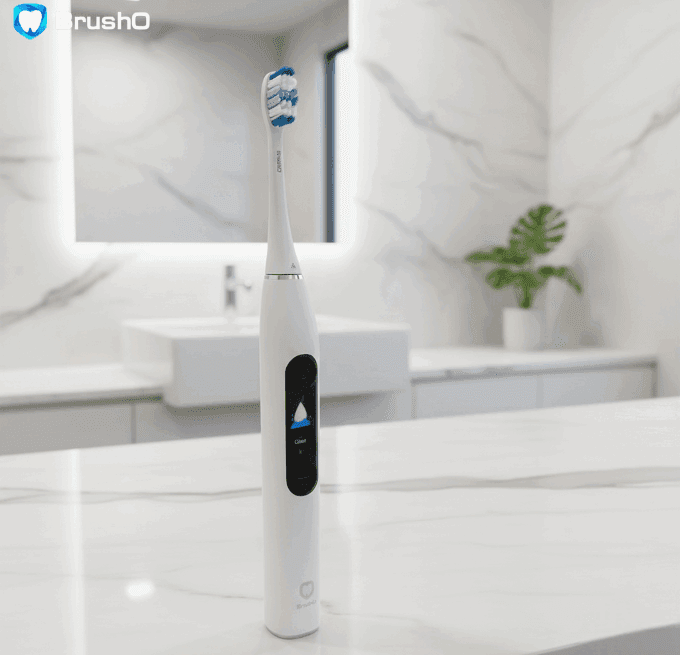
Toothbrushing has long been seen as a routine task—something we do automatically, often while multitasking or rushing out the door. But what if it could be more than that? Just as meditation, journaling, or morning walks are embraced as wellness habits, brushing your teeth can become a moment of mindfulness and self-care.
Your mouth is the gateway to your body, and consistent oral hygiene plays a key role in:
• Preventing cavities and gum disease
• Reducing inflammation that can affect heart health
• Improving digestive health
• Supporting mental well-being through routine and self-care
By framing brushing as part of a daily wellness habit, you’re more likely to give it the attention it deserves—and benefit from long-term health improvements.
Creating a habit that sticks involves three elements:
1. Cue – A trigger to begin the habit (e.g., waking up or finishing a meal)
2. Routine – The actual brushing action
3. Reward – A positive outcome or feeling after the activity
Smart toothbrushes like BrushO amplify all three:
• Cue: App reminders and brushing schedules
• Routine: Smart guidance, zone tracking, and custom modes
• Reward: “Brush & Earn” tokens that reinforce consistent behavior
Over time, this loop forms a positive reinforcement cycle, helping users stay engaged and motivated.
Mindful brushing means being present during the process. Instead of rushing through it, focus on:
• The motion and feel of the brush
• The sensation in your gums
• The aroma of the toothpaste
• Your breath and rhythm
BrushO enhances this experience by providing real-time feedback on your brushing technique, helping you stay in tune with your body. Features like pressure sensors and brushing reports increase awareness and reduce the risk of overbrushing or missed zones.
Wellness isn’t just about what you do—it’s also about enjoying the process. BrushO transforms brushing into a rewarding activity by offering:
• Digital tokens through “Brush & Earn”
• Achievement badges for brushing streaks
• Performance scores after each session
• Lifetime free brush heads as a reward for consistency
This gamified approach builds engagement and makes users look forward to brushing—not just as a task, but as a small win in their day.
Your brushing sessions can bookend your day with intention:
• Set the tone for the day with 2 minutes of mindful brushing
• Use motivational affirmations or pair with breathwork
• Let the refreshing clean feeling boost your confidence
• Wind down with a gentle brushing mode like “Gum Care”
• Use the routine as a cue to disconnect from screens and prepare for sleep
• Let it mark the end of your digital day and a step toward better rest
BrushO isn’t just a toothbrush—it’s a daily wellness companion, featuring:
• AI-powered 6-zone tracking for complete oral care
• Adaptive feedback that guides you to brush correctly and gently
• Custom brushing modes based on sensitivity and oral health needs
• Brushing reports that visualize progress and motivate improvement
• Reward systems that turn daily hygiene into tangible value
This intelligent approach helps you transition brushing from obligation to intentional self-care.
By embedding toothbrushing into your wellness lifestyle, you’ll see measurable results:
• Better oral hygiene and fewer dental issues
• Reduced gum inflammation and fresher breath
• Improved mood and sense of routine
• Stronger commitment to other health habits (e.g., hydration, sleep)
Oral care becomes more than physical—it becomes mental and emotional hygiene.
Transforming toothbrushing into a wellness habit doesn’t require a complete lifestyle overhaul—it simply needs intention, consistency, and the right tools. With AI toothbrushes like BrushO, you’re empowered to elevate a simple act into a meaningful daily ritual. Your smile, body, and mind will thank you.
Jul 30
Jul 30
Jul 29
Jul 22
Jul 19
Jul 17

The posterior maxilla is the most demanding site in implant dentistry, because the pneumatized maxillary sinus frequently leaves the clinician with less bone than the implant requires. Maxillary sinus augmentation, the surgical procedure that raises the sinus floor to create vertical bone, has be...

The rubber dam is the oldest and still the most effective isolation device in restorative dentistry, and its reputation as an inconvenient extra step survives among practitioners who have never measured the time it actually saves. The dam isolates the field from the saliva, the tongue, and the ch...

The margin is the most vulnerable line in fixed prosthodontics, because it is the only boundary between the prepared tooth, the restoration, and the oral environment that the clinician cannot fully seal by effort alone. A restoration that fits seamlessly at the margin resists leakage, caries, and...

The masticatory system is built for function, yet much of its damage comes from habits that serve no purpose. Parafunctional habits, the clenching, the grinding, and the tongue pressing performed outside of normal function, sit behind much of the tooth wear, the temporomandibular pain, and the my...

Chronic mouth breathing in the growing child is seldom a dental problem in origin and almost always a facial one in consequence. The child who sleeps with the mouth open bypasses the physiologic benefits of nasal respiration, and the posture that the airway forces upon the tongue, the mandible, a...

The immediate denture is the prosthesis placed on the day the teeth are extracted, sparing the patient the edentulous interval the conventional denture imposes and preserving the occlusal vertical dimension, the facial support, and the appearance through the transition. The clinical literature ha...

The Class III malocclusion in the growing child carries a special urgency, because the maxillary deficiency that marks the pattern does not correct itself and the window for the growth-modifying treatment closes with the skeletal maturity. Elastic protraction, the orthopedic therapy that pulls th...

The denture is the only prosthetic device in medicine that its owner is expected to wear daily and to clean personally, yet it is also the device most commonly neglected until the signs of disease appear. A biofilm that forms on the acrylic base within hours is a reservoir of candida and bacteria...

The complete denture stands or falls on the impression, because the impression determines how well the base follows the mucous membrane and how evenly the occlusal load is distributed across the basal seat. For a century the profession has argued about whether the impression should record the muc...

The all-ceramic crown has moved from a niche product to the default restoration for the anterior single tooth in a single clinical generation, driven by patient demand for metal-free appearance and by materials that now survive functional loading as reliably as their metal-ceramic predecessors. A...


Address: RM 1427, 14/F RADIO CITY 505, HENNESSY RD CAUSEWAY BAY, HONG KONG
Code: 000000
Phone: +852-53758652
Email: customerservice@brusho.com
