
Jul 30
Jul 30
Jul 29
Jul 22
Jul 19
Jul 17
Saliva is often overlooked in oral health discussions, yet it represents one of the body’s most sophisticated natural defense systems. Beyond lubrication and digestion, saliva contains enzymes that actively regulate bacterial populations, neutralize acids, repair enamel, and maintain microbial balance within the oral ecosystem. These enzymatic processes influence plaque formation, cavity risk, gum inflammation, and even systemic health connections. This article examines the biological role of saliva enzymes in oral defense, how lifestyle and hygiene habits affect enzymatic function, and how precision-guided brushing practices can support saliva’s protective mechanisms for long-term dental resilience.
Saliva is composed of:
• Water
• Electrolytes
• Antibodies
• Proteins
• Digestive compounds
• Antimicrobial enzymes
Rather than serving as passive moisture, saliva acts as a dynamic biochemical barrier that continuously monitors and stabilizes the oral environment.
Lysozyme disrupts bacterial membranes by breaking down structural components.
Functions include:
• Limiting microbial overgrowth
• Preventing early plaque colonization
• Supporting microbiome balance
It acts as a first-line innate immune response within the oral cavity.
Salivary amylase initiates carbohydrate breakdown and indirectly influences microbial activity.
Benefits include:
• Reducing fermentable residue accumulation
• Supporting food clearance
• Influencing oral bacterial nutrient availability
This enzyme links oral health to digestive processes.
Lactoferrin binds iron molecules, depriving bacteria of a critical growth resource.
Effects:
• Inhibits bacterial replication
• Reduces infection potential
• Stabilizes oral microbial ecosystems
This enzyme is particularly relevant in preventing inflammatory conditions.
Salivary peroxidase neutralizes harmful metabolic byproducts.
Roles include:
• Blocking bacterial acid production
• Supporting pH stability
• Protecting enamel from demineralization
This enzymatic pathway helps maintain chemical equilibrium.
Enzymatic interactions support buffering systems that:
• Stabilize oral pH
• Reduce enamel erosion risk
• Protect dentin exposure
By inhibiting bacterial expansion, enzymes:
• Slow biofilm maturation
• Reduce plaque density
• Lower gum inflammation risk
Salivary enzymes contribute to:
• Mucosal repair
• Immune signaling
• Inflammatory control
This demonstrates saliva’s role beyond lubrication.
Saliva enzyme performance declines when exposed to:
• Dehydration
• Chronic stress
• Certain medications
• Mouth breathing
• Poor oral hygiene
• High sugar diets
Reduced enzymatic activity increases vulnerability to bacterial imbalance and decay.
Adequate fluid intake promotes enzyme transport and activity.
Micronutrients support salivary gland function and protein synthesis.
Overbrushing can disrupt oral tissues and protective salivary films.
Maintaining a clean environment allows enzymes to function efficiently.
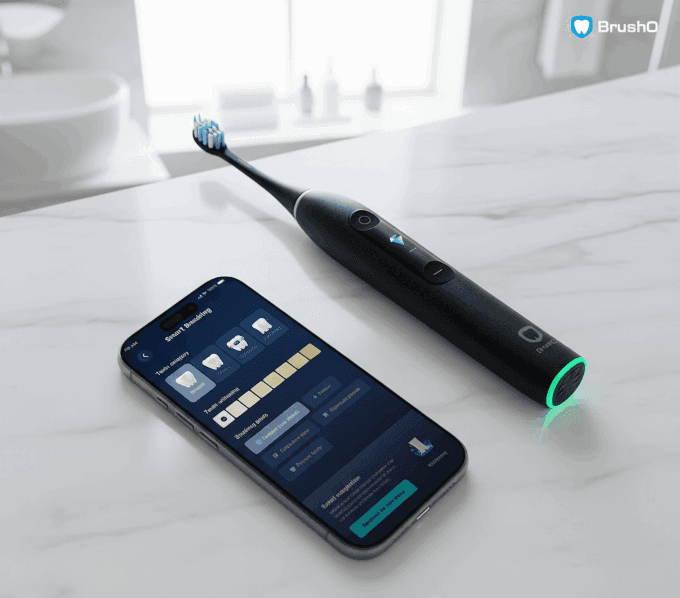
Precision-guided brushing technologies such as BrushO contribute by:
• Ensuring complete plaque removal without tissue damage
• Monitoring pressure to preserve protective biofilms
• Supporting balanced microbiome conditions
• Encouraging consistent hygiene routines
Maintaining optimal surface conditions allows saliva enzymes to perform defensive functions effectively.
Healthy salivary enzymatic activity supports:
• Reduced cavity incidence
• Improved gum resilience
• Stable oral microbiome diversity
• Enhanced digestive transition
• Lower systemic inflammatory load
Saliva’s biochemical defense is foundational to lifelong oral wellness.
Saliva enzymes represent a sophisticated, often invisible defense network that protects teeth, gums, and microbial balance. By regulating bacteria, buffering acids, and supporting tissue health, these biochemical agents play an essential role in oral resilience. Supporting their function through hydration, nutrition, and precision brushing transforms routine hygiene into a biologically aligned health strategy. Understanding saliva’s enzymatic power reveals that oral defense is not only mechanical — it is biochemical, adaptive, and continuous.
Feb 16
Feb 13
Jul 30
Jul 30
Jul 29
Jul 22
Jul 19
Jul 17

If you are thirsty after brushing, choose plain water. Plan your usual bedtime drink before brushing and skip the immediate rinse at the sink.

Waterpik recommends warm water for its flossers. Check your own model and use comfortably lukewarm water if cold water feels sharp.

Let an intact handle return to room temperature before you consider charging it. Check your manual and watch for signs of battery or housing damage.

Lift away the paste, check the care label, and use cool water on washable fabric. Here is a quick approach for a fresh spot.

Turn the brush off, then check the fit, the connection, and the condition of the head. A second compatible head can help you narrow it down.

Look for a clean, rigid container with a secure lid and keep it with your belongings. A napkin on a lunch tray is easy to clear away.

Check the care directions for your clear retainer. Clinics give different instructions, and the right cleaning method depends on the appliance you received.

Try a gentle rinse first. If the hull sits between teeth and floss moves freely, make a careful pass and stop if it still feels stuck.

A tight gap or rough edge can catch floss. Notice where it snags, keep the movement gentle, and find out when to ask your dentist to check.

Your first sip can taste sharp after brushing. Here is what may be changing and how to make breakfast taste like breakfast again.

Bàn chải điện BrushO AI cung cấp hướng dẫn chải răng theo thời gian thực, phản hồi lực nhấn, theo dõi vùng chải và báo cáo tiến độ trong ứng dụng cho thói quen hằng ngày sạch hơn.
Bàn chải điện BrushO AI cung cấp hướng dẫn chải răng theo thời gian thực, phản hồi lực nhấn, theo dõi vùng chải và báo cáo tiến độ trong ứng dụng cho thói quen hằng ngày sạch hơn.


Address: RM 1427, 14/F RADIO CITY 505, HENNESSY RD CAUSEWAY BAY, HONG KONG
Code: 000000
Phone: +852-53758652
Email: customerservice@brusho.com