
Jul 30
Jul 30
Jul 29
Jul 22
Jul 19
Jul 17
Gum health is often overlooked until problems arise, yet your gums are the foundation of oral health. Gum disease not only leads to tooth loss, but also increases the risk of heart disease, diabetes, and even dementia. Unlike enamel, gum tissue can’t be replaced naturally once it recedes or is damaged. That’s why preventive care is essential—starting now, not later. With the right techniques, smart tools like BrushO, and daily habits, you can protect your gums for life and keep your smile healthy, strong, and confident well into old age.
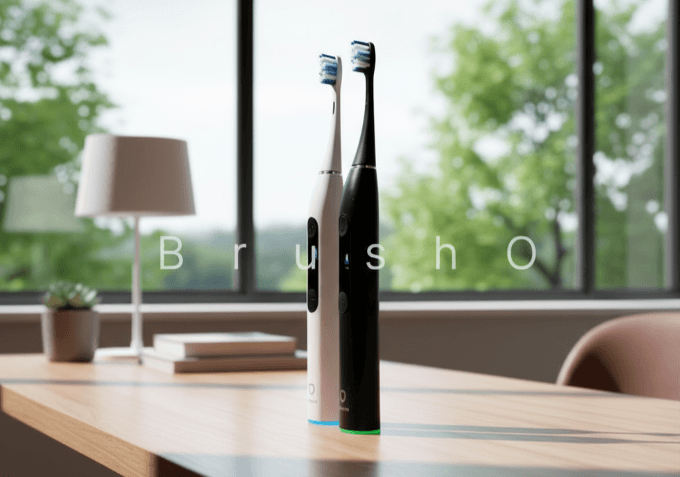
Your gums (gingiva) are the protective soft tissue that surrounds your teeth and holds them in place. Healthy gums:
• Prevent plaque and bacteria from entering your bloodstream
• Anchor your teeth firmly in your jawbone
• Support overall facial structure and aesthetics
• Reduce risk of systemic diseases linked to inflammation
Neglecting them opens the door to gingivitis (gum inflammation) and periodontitis (serious gum infection), which can silently destroy the bone supporting your teeth.
🔎 BrushO Insight: Most users fail to cover all gumline areas effectively during brushing. BrushO’s AI technology ensures no zone is missed—including along the critical gumline.
Don’t wait until pain or tooth loss to take action. Look out for:
• Bleeding during brushing or flossing
• Swollen, red, or tender gums
• Gum recession (teeth appearing “longer”)
• Persistent bad breath
• Loose teeth
These are all early or advanced signs of gum disease that require immediate attention.
Brushing isn’t just for teeth—your gumline needs attention too.
• Use a soft-bristled brush
• Hold it at a 45-degree angle toward the gumline
• Use gentle, circular motions, not harsh scrubbing
• Brush for 2 full minutes, covering 6 zones and 16 surfaces
✅ BrushO Advantage: Real-time pressure sensors and zone tracking ensure users brush effectively along the gumline without causing damage from over-brushing.
Brushing alone only cleans 60% of the tooth surface. Flossing removes plaque and bacteria between teeth and below the gumline where brushes can’t reach. Use:
• Traditional floss
• Water flossers
• Interdental brushes (especially for wider gaps)
Look for a mouthwash with:
• Chlorhexidine
• Cetylpyridinium chloride (CPC)
• Essential oils (e.g., thymol, eucalyptol)
These reduce bacterial load and inflammation around the gums.
Your gums need nutrients too. Include foods rich in:
• Vitamin C – promotes tissue repair (citrus, strawberries, broccoli)
• CoQ10 – found in fatty fish, supports gum healing
• Antioxidants – reduce inflammation (green tea, berries, spinach)
Avoid:
• Sugary snacks
• Sticky processed foods
• Acidic drinks that fuel harmful bacteria
• Avoid dry mouth (saliva protects gums)
• Stay hydrated
• Use a humidifier if needed
• Treat sleep-related grinding (bruxism) with a nightguard
Even with excellent home care, tartar builds up over time and can only be removed by professionals. Dental visits also help:
• Detect early gum issues
• Monitor gum pocket depth
• Prevent irreversible bone loss
BrushO uses AI-guided brushing to improve gumline coverage and detect improper pressure that may damage sensitive gum tissue.
• Provides habit tracking and oral health reports
• Gamifies consistency with rewards and feedback
• Ensures gentle brushing across all zones
This data-driven approach reduces the risk of over-brushing and missed areas, key contributors to gum problems.
Your gums are not just passive tissue—they are active defenders of your health. With proper care, you can avoid bleeding, inflammation, and tooth loss while reducing risks to your heart and brain. The sooner you start, the easier it is to prevent damage. By combining smart tools like BrushO with daily healthy habits, you’re setting yourself up for a lifetime of strong gums and a confident smile.
Jan 26
Jan 26
Jul 30
Jul 30
Jul 29
Jul 22
Jul 19
Jul 17

Teledentistry—the use of information and communication technologies to deliver dental care, consultation, education, and public health services across geographic distances—has undergone an unprecedented transformation in recent years. While the concept dates to the 1990s, the COVID-19 pandemic catal

The field of endodontics has undergone a paradigm shift over the past two decades. Traditional root canal therapy, while effective at eliminating infection and preserving teeth, ultimately results in a non-vital tooth that is more brittle and susceptible to fracture. Regenerative endodontics offers

The human oral cavity harbors one of the most diverse and dynamic microbial communities in the body, second only to the gut in complexity. Advances in culture-independent molecular techniques—particularly 16S rRNA gene sequencing and shotgun metagenomics—have transformed our understanding of the ora

Medication-related osteonecrosis of the jaw (MRONJ) is a serious adverse event characterized by exposed necrotic bone in the maxillofacial region that persists for more than eight weeks in patients with current or previous antiresorptive or antiangiogenic therapy and no history of head and neck radi

The dental patient population is aging, and the prevalence of chronic medical conditions continues to rise. The World Health Organization projects that by 2050, the proportion of the global population over 60 years will double from 12% to 22%, with a corresponding increase in the burden of multimorb

Saliva has emerged as a powerful diagnostic fluid that reflects the physiological and pathological state of the body. As an ultrafiltrate of blood, saliva contains a complex mixture of proteins, nucleic acids, metabolites, and microorganisms that originate from multiple sources: salivary glands, gin

Peri-implantitis has emerged as one of the most significant complications in implant dentistry, affecting an estimated 20% of patients and 10% of implants at the patient and implant levels respectively. As the global population of dental implants grows, the burden of peri-implant disease is expandin

Molar Incisor Hypomineralization (MIH) is a qualitative developmental enamel defect affecting one to four first permanent molars, frequently with concurrent involvement of permanent incisors. First described systematically by Weerheijm and colleagues in 2001, MIH has since been recognized as a globa

Digital Smile Design (DSD) has revolutionized aesthetic dentistry by providing a systematic, communication-centered approach to treatment planning. Developed by Dr. Christian Coachman in 2007, DSD integrates facial and dental analysis, intraoral and extraoral digital data, and interdisciplinary coll

Additive manufacturing, commonly known as 3D printing, has transformed dentistry over the past decade from a niche prototyping tool into an integral component of digital workflows. The technology enables the fabrication of surgical guides, dental models, temporary and permanent restorations, denture

Bàn chải điện BrushO AI cung cấp hướng dẫn chải răng theo thời gian thực, phản hồi lực nhấn, theo dõi vùng chải và báo cáo tiến độ trong ứng dụng cho thói quen hằng ngày sạch hơn.
Bàn chải điện BrushO AI cung cấp hướng dẫn chải răng theo thời gian thực, phản hồi lực nhấn, theo dõi vùng chải và báo cáo tiến độ trong ứng dụng cho thói quen hằng ngày sạch hơn.


Address: RM 1427, 14/F RADIO CITY 505, HENNESSY RD CAUSEWAY BAY, HONG KONG
Code: 000000
Phone: +852-53758652
Email: customerservice@brusho.com