
Jul 30
Jul 30
Jul 29
Jul 22
Jul 19
Jul 17
Your mouth may be the gateway to your body, but what starts there doesn’t always stay there. Scientific studies now confirm that oral bacteria can travel through the bloodstream, triggering inflammation that affects organs far beyond the teeth and gums. From increased risk of cardiovascular disease to potential links with Alzheimer’s and cognitive decline, neglecting oral hygiene may carry much more severe consequences than just a cavity or two. Fortunately, with modern tools like AI-powered toothbrushes and real-time brushing reports, maintaining a healthy mouth—and by extension, a healthier body—is more achievable than ever.
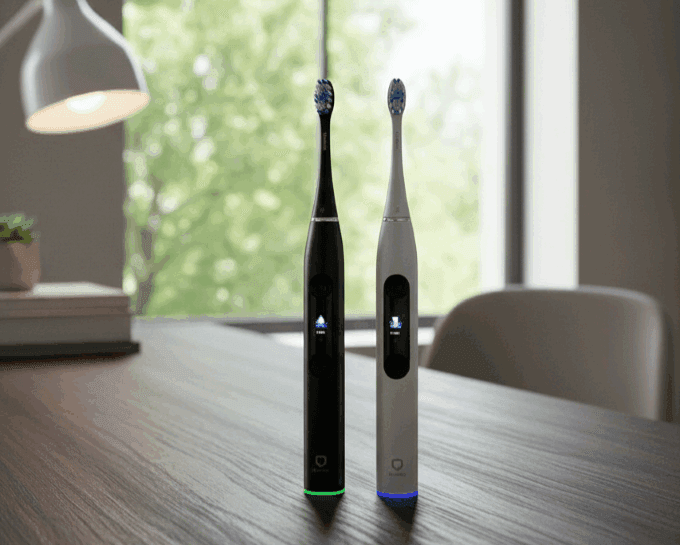
The mouth hosts over 700 species of bacteria. While many are harmless, some become dangerous when oral hygiene is poor. Inflammation from gingivitis or periodontitis creates microscopic openings in the gums, allowing bacteria to enter the bloodstream. Once inside, these bacteria can travel to other organs, triggering immune responses and contributing to systemic inflammation.
🧠 BrushO Insight: Smart brushing with BrushO ensures consistent cleaning across all six zones and 16 surfaces of the mouth, reducing plaque buildup that leads to gum inflammation.
Researchers have found direct links between periodontal disease and atherosclerosis—the hardening and narrowing of arteries. Here’s how:
• Inflammation caused by oral bacteria may contribute to plaque buildup in the arteries.
• Certain strains like Porphyromonas gingivalis have been found in arterial plaque samples.
• People with severe gum disease have a 2 to 3 times higher risk of heart attack or stroke.
Maintaining excellent oral hygiene isn’t just about avoiding cavities—it’s about protecting your cardiovascular health.
Emerging research indicates that oral health may play a critical role in brain health:
• Oral bacteria have been found in the brains of Alzheimer’s patients.
• Chronic inflammation caused by untreated gum disease may accelerate neurodegenerative processes.
• Studies suggest a 30% higher risk of cognitive decline in individuals with poor oral hygiene.
💡 BrushO Benefit: Real-time brushing feedback and pressure sensors help prevent both under- and over-brushing, which are often linked to inflammation that can exacerbate systemic health issues.
• Bleeding gums during brushing or flossing
• Persistent bad breath (a sign of bacterial imbalance)
• Swollen or receding gums
• Plaque and tartar buildup near the gumline
If any of these symptoms are present, it’s crucial to address them early—not just for your teeth, but for your heart and brain as well.
Preventing bacteria from entering the bloodstream starts with daily oral care:
Use an AI-powered toothbrush like BrushO to ensure:
• Even pressure on all zones
• No missed spots
• Smart timing based on brushing behavior
Flossing removes plaque between teeth where even advanced brushes can’t reach.
Consider mouthwashes with chlorhexidine or essential oils that reduce bacterial load.
Saliva is a natural defense against bacterial growth. Drink plenty of water to support it.
Routine professional cleanings remove tartar and allow early detection of gum inflammation.
Traditional brushing methods often rely on guesswork—leading to overbrushing some areas while neglecting others. Smart toothbrushes like BrushO change the game:
• Track habits and highlight risks
• Send personalized brushing reports
• Offer reward systems to reinforce consistency
• Help identify inflammation-prone zones with real-time guidance
By taking advantage of data-driven brushing, users can actively reduce their systemic inflammation risk, not just clean their teeth.
Oral health is whole-body health. Bacteria from your mouth don’t stay confined—they can influence your heart and your brain, increasing your risk of serious, long-term disease. That’s why investing in smart brushing tools like BrushO is more than a cosmetic choice—it’s a health decision. A healthier smile today could mean a healthier heart and mind tomorrow.
Jul 30
Jul 30
Jul 29
Jul 22
Jul 19
Jul 17

PPM describes concentration, not the amount to put on the brush. Learn how to read fluoride information while keeping regional guidance and individual advice in view.

That forgotten tube deserves a label check. Learn what toothpaste shelf-life information refers to, why storage matters, and how to avoid guessing from appearance.

Clear gel or opaque paste? Texture is only one feature. Learn which label details matter when comparing toothpastes for your brushing routine.

Minty toothpaste can create a cooling sensation without being chilled. Explore what menthol does and why a fresh feeling is different from complete cleaning.

The sound of a powered brush comes with its moving mechanism. Learn how normal operating noise differs from alerts or an unexpected change that needs checking.

Toothpaste on the mirror? Check when you switch the brush on and off, how you position it, and how to pause without rushing your routine.

A whitening brushing program and a bleaching treatment are different things. Learn how to interpret mode names, surface-stain claims, and realistic expectations.

A tiny cluster of bristles serves a different purpose from a full-size head. Learn where a single-tuft brush may fit into an individually recommended cleaning routine.

Angled tufts, different bristle heights, and the angle of your hand are separate design questions. Learn how to read a toothbrush-head description clearly.

A larger head is not an automatic shortcut to cleaner teeth. Learn how head size affects access, positioning, and the fit of your daily brushing routine.

BrushO AI Electric Toothbrush offers real-time brushing guidance, pressure feedback, coverage tracking, and app-based progress reports for a cleaner daily routine.
BrushO AI Electric Toothbrush offers real-time brushing guidance, pressure feedback, coverage tracking, and app-based progress reports for a cleaner daily routine.


Address: RM 1427, 14/F RADIO CITY 505, HENNESSY RD CAUSEWAY BAY, HONG KONG
Code: 000000
Phone: +852-53758652
Email: customerservice@brusho.com