
Jul 30
Jul 30
Jul 29
Jul 22
Jul 19
Jul 17
Smoking doesn’t just affect your lungs — it wreaks havoc on your mouth too. From yellow teeth and bad breath to serious oral diseases, smoking is one of the leading causes of dental problems worldwide. In this article, we’ll break down exactly how smoking damages your teeth, gums, and overall oral hygiene — and how tools like BrushO smart toothbrush can help protect your smile before it’s too late.
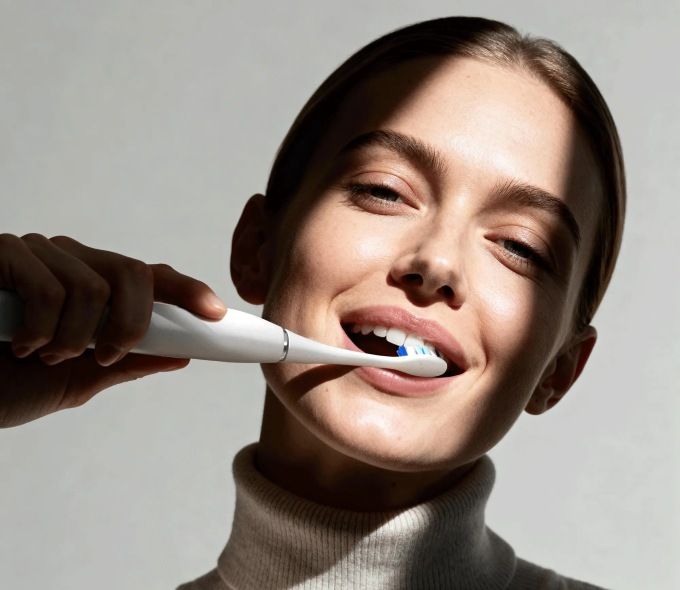
Nicotine and tar in tobacco products adhere to enamel, causing yellow or brown stains that are difficult to remove — even with whitening toothpaste. Over time, this discoloration becomes deeper and more permanent.
Smoking encourages the growth of harmful bacteria, which leads to thicker plaque and faster tartar buildup. This puts you at high risk of gum disease, cavities, and tooth decay.
Smoking restricts blood flow to your gums, making it harder for your body to fight infection. This can lead to chronic gum inflammation (gingivitis) or more serious periodontitis, where gums recede, and teeth become loose.
If you’ve had a tooth extraction, implant, or gum surgery, smoking can significantly slow your healing process — increasing the risk of infection and complications.
The chemicals in tobacco dry out the mouth and leave a lingering odor. Combined with poor gum health, smokers often experience persistent bad breath that mints can’t fix.
• Smokers are 2 to 6 times more likely to develop gum disease.
• They lose more teeth on average than non-smokers.
• Smoking can mask the signs of gum disease, delaying diagnosis and treatment.
If you’re a smoker or recently quit, your oral care routine needs extra support.
• Real-Time Feedback: Know when you’re applying too much pressure to vulnerable gums.
• Coverage Tracking: Make sure you’re not missing critical zones affected by smoke exposure.
• Custom Modes: Use “Gum Care” or “Deep Clean” to restore health to affected areas.
• Progress Reports: Track improvement after quitting and adjust habits with data.
Even if you still smoke, better brushing can reduce some of the risks and slow down the damage.
• Brush at least twice a day with a smart toothbrush like BrushO.
• Use a tongue cleaner to remove odor-causing bacteria.
• Rinse with anti-bacterial mouthwash daily.
• Visit your dentist every 3–6 months for professional cleaning.
• Quit smoking — your mouth and whole body will thank you.
Smoking silently attacks your teeth and gums. What starts as yellow stains can quickly escalate into gum disease, tooth loss, and painful infections. But it’s never too late to make a change. Whether you’re still smoking or in recovery, using a smart toothbrush like BrushO can give you the tools you need to protect your mouth and rebuild your smile.
Jul 30
Jul 30
Jul 29
Jul 22
Jul 19
Jul 17

If you are thirsty after brushing, choose plain water. Plan your usual bedtime drink before brushing and skip the immediate rinse at the sink.

Waterpik recommends warm water for its flossers. Check your own model and use comfortably lukewarm water if cold water feels sharp.

Let an intact handle return to room temperature before you consider charging it. Check your manual and watch for signs of battery or housing damage.

Lift away the paste, check the care label, and use cool water on washable fabric. Here is a quick approach for a fresh spot.

Turn the brush off, then check the fit, the connection, and the condition of the head. A second compatible head can help you narrow it down.

Look for a clean, rigid container with a secure lid and keep it with your belongings. A napkin on a lunch tray is easy to clear away.

Check the care directions for your clear retainer. Clinics give different instructions, and the right cleaning method depends on the appliance you received.

Try a gentle rinse first. If the hull sits between teeth and floss moves freely, make a careful pass and stop if it still feels stuck.

A tight gap or rough edge can catch floss. Notice where it snags, keep the movement gentle, and find out when to ask your dentist to check.

Your first sip can taste sharp after brushing. Here is what may be changing and how to make breakfast taste like breakfast again.

Bàn chải điện BrushO AI cung cấp hướng dẫn chải răng theo thời gian thực, phản hồi lực nhấn, theo dõi vùng chải và báo cáo tiến độ trong ứng dụng cho thói quen hằng ngày sạch hơn.
Bàn chải điện BrushO AI cung cấp hướng dẫn chải răng theo thời gian thực, phản hồi lực nhấn, theo dõi vùng chải và báo cáo tiến độ trong ứng dụng cho thói quen hằng ngày sạch hơn.


Address: RM 1427, 14/F RADIO CITY 505, HENNESSY RD CAUSEWAY BAY, HONG KONG
Code: 000000
Phone: +852-53758652
Email: customerservice@brusho.com