
Jul 30
Jul 30
Jul 29
Jul 22
Jul 19
Jul 17
Antibiotics are life-saving medications that eliminate harmful bacteria throughout the body, but their effects extend far beyond treating infections. They also disrupt the oral microbiome — the complex ecosystem of microorganisms responsible for protecting teeth, gums, and immune balance. Changes in microbial composition can alter saliva chemistry, bacterial diversity, and susceptibility to oral disease long after treatment ends. Understanding how antibiotics reshape oral health helps individuals take preventive steps to restore balance, reduce long-term risks, and maintain resilient hygiene habits supported by smart oral care technologies.
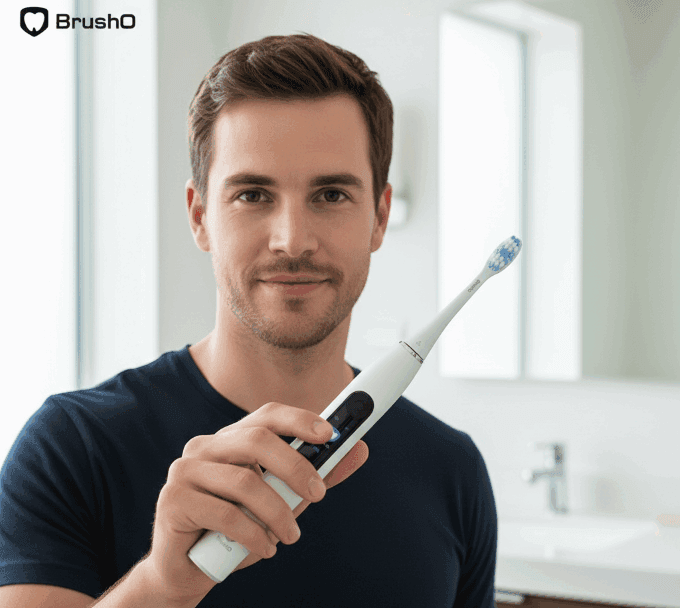
Antibiotics work by destroying or inhibiting bacterial growth. However, they do not distinguish between harmful and beneficial bacteria.
When antibiotics circulate through the saliva and bloodstream, they affect:
• Oral microbial diversity
• Biofilm composition on teeth
• Saliva chemistry
• Immune signaling within gum tissue
These changes can influence oral health weeks or even months after treatment.
Beneficial microbes regulate pH levels and compete against harmful pathogens. Antibiotics reduce these protective populations, allowing opportunistic bacteria or fungi to dominate.
Potential outcomes include:
• Increased plaque formation
• Higher cavity susceptibility
• Oral yeast overgrowth
• Gum sensitivity
Microbial ecosystems rarely return to identical pre-treatment states.
After antibiotic exposure, new microbial communities may form. These communities can behave differently, affecting:
• Breath odor production
• Acid generation
• Inflammatory response
• Plaque adhesion patterns
This shift explains why some individuals notice oral changes even after finishing medication.
Antibiotics may influence saliva flow or gland response. Reduced saliva weakens natural cleansing mechanisms and increases bacterial accumulation.
Microbial imbalance can temporarily alter taste perception or cause metallic flavors.
Enamel exposure and gum inflammation may occur if bacterial balance shifts toward acid-producing strains.
Immune modulation during microbial repapping can trigger mild inflammatory responses.
Microbiomes are adaptive systems. When antibiotics reshape the environment:
• Some species disappear
• Others permanently dominate
• New ecological balance forms
Research shows microbial composition may never fully revert, particularly after repeated antibiotic exposure. This does not necessarily mean damage, but it does mean habits must adapt.
Thorough plaque removal prevents opportunistic bacterial overgrowth during microbiome stabilization.
Saliva helps restore ecological balance and neutralize acids.
Fiber-rich foods support microbial recovery and immune function.
Improper pressure or missed zones increase risk during microbiome vulnerability.
AI-guided tools like BrushO assist users in maintaining stability during microbial transitions.
Ensures plaque removal across all zones while bacterial communities rebalance.
Protects gum tissues that may be temporarily sensitive.
Encourages consistency when routine disruptions occur during illness.
Allows gentler cleaning for post-treatment sensitivity.
Technology does not replace recovery — but it supports optimal conditions.
Antibiotics remain essential medical tools, yet awareness of their oral impact allows proactive care.
Maintaining bacterial equilibrium through:
• Structured hygiene routines
• Balanced microbial support
• Consistent monitoring
helps preserve resilience in oral ecosystems and prevents secondary complications.
Antibiotics reshape the oral microbiome in ways that can extend beyond treatment. While these medications protect systemic health, they also alter bacterial diversity, saliva dynamics, and oral balance. Understanding these changes empowers individuals to respond with intentional hygiene practices and supportive technologies. With intelligent guidance, habit tracking, and precision brushing, solutions like BrushO help users maintain stability and protect oral health through microbiome transitions. Oral health is not static — it evolves with every biological and lifestyle influence, and informed care ensures it evolves in the right direction.
Jul 30
Jul 30
Jul 29
Jul 22
Jul 19
Jul 17

A lateral cephalometric radiograph is only as useful as the analysis applied to it. The same tracing can be read as a skeletal discrepancy by one method and as a dental compensation by another, and the conclusions reached about extraction, surgery or growth modification may differ accordingly. Un...

Premature fusion of the cranial sutures produces a group of conditions in which the skull, the midface and the occlusion develop abnormally, and the dental team is central to long-term care. Apert and Crouzon syndromes are the best known craniosynostosis syndromes with major oral consequences. Bo...

A dense opacity on a panoramic radiograph above the molar roots or within the nasal cavity is a familiar finding that is often dismissed as an incidental artifact. When that opacity proves to be an antrolith or a rhinolith, the discovery explains years of unilateral obstruction, discharge and fac...

A firm, board-like swelling at the angle of the jaw that slowly breaks down into multiple draining sinuses should raise suspicion of cervicofacial actinomycosis, a chronic bacterial infection that is easily mistaken for a tumor. Nocardiosis, caused by related filamentous organisms, can produce a ...

Enlargement of the jaw, widening spaces between the teeth and a slowly changing facial profile may bring a patient to the dental office years before the underlying endocrine disease is diagnosed. Acromegaly and Cushing syndrome both leave recognizable signatures in the craniofacial region, and th...

A slowly growing, painless lump at the angle of the jaw in a middle-aged or older man who smokes is the classic presentation of a Warthin tumor. Formally called papillary cystadenoma lymphomatosum, this benign neoplasm is one of the most common tumors of the parotid gland and the second most comm...

Painful ulcerated gums that bleed easily, a foul metallic taste and severe mouth odor can signal Vincent stomatitis, an acute fusospirochetal necrotizing infection of the gingival and oral tissues. First described during wartime and historically called trench mouth, the disease still occurs today...

A painful swelling under the jaw that appears at mealtimes and subsides slowly afterward is the classic symptom of a salivary stone blocking a duct. Sialolithiasis, the formation of calcified stones in the salivary glands, and sialodochitis, the inflammation of the ducts that follows, are common ...

Paget disease of bone, also called osteitis deformans, is a chronic disorder of bone remodeling that can silently affect the skull and the jaws. In the maxillofacial region it produces progressive bony enlargement, distinctive cotton-wool radiographs and dental complications such as hypercementos...

The sudden appearance of widespread, painful oral erosions with crusted lips can be alarming, and it may represent either erythema multiforme or a drug-induced severe reaction such as Stevens-Johnson syndrome. Both belong to a spectrum of immune-mediated mucocutaneous disorders, and both can begi...

Bàn chải điện BrushO AI cung cấp hướng dẫn chải răng theo thời gian thực, phản hồi lực nhấn, theo dõi vùng chải và báo cáo tiến độ trong ứng dụng cho thói quen hằng ngày sạch hơn.
Bàn chải điện BrushO AI cung cấp hướng dẫn chải răng theo thời gian thực, phản hồi lực nhấn, theo dõi vùng chải và báo cáo tiến độ trong ứng dụng cho thói quen hằng ngày sạch hơn.


Address: RM 1427, 14/F RADIO CITY 505, HENNESSY RD CAUSEWAY BAY, HONG KONG
Code: 000000
Phone: +852-53758652
Email: customerservice@brusho.com