
Jul 30
Jul 30
Jul 29
Jul 22
Jul 19
Jul 17
Oral hygiene isn’t just about keeping your teeth clean — it may also affect your skin’s health. Recent studies suggest that poor brushing habits and gum disease can cause systemic inflammation that impacts the skin, leading to breakouts, dullness, or even premature aging. In this article, we’ll explore the mouth-skin connection, how brushing affects skin, and how smart tools like BrushO can help protect both your smile and complexion.
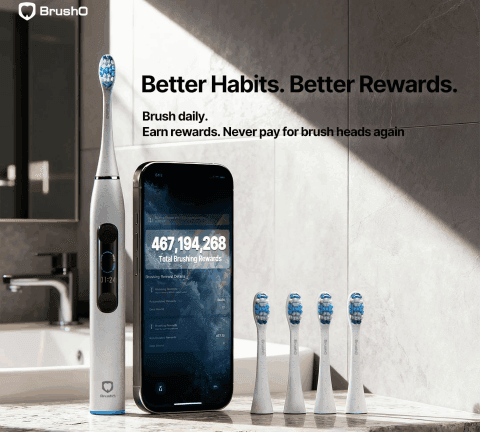
Your mouth is the entry point to your entire body, and its health has a direct influence on systemic inflammation and immunity. Here’s how poor oral hygiene can affect your skin:
• Gum Disease (Gingivitis/Periodontitis): Chronic gum inflammation can elevate cytokine levels in your bloodstream, which may aggravate inflammatory skin conditions like acne and rosacea.
• Bacterial Imbalance: Harmful oral bacteria can enter your system or migrate to facial skin, triggering flare-ups or disrupting your skin microbiome.
• Systemic Inflammation: Oral infections can increase oxidative stress, weakening your body’s natural ability to regenerate healthy skin and fight signs of aging.
📚 According to the Journal of Clinical & Aesthetic Dermatology, chronic oral inflammation is linked to various skin disorders.
Insufficient brushing causes plaque to accumulate, leading to gum irritation. This low-grade inflammation can affect your overall immune response, resulting in:
• Dull or tired-looking skin
• Frequent acne breakouts
• Slower skin healing
Bacteria from gum infections may leak into the bloodstream, raising inflammation markers that worsen acne or trigger eczema.
Neglecting oral care reduces saliva production, which disturbs the mouth’s pH and microbial balance. This may:
• Contribute to dehydrated skin
• Disrupt healthy oil production
• Cause imbalanced skin texture
Oral neglect often goes hand-in-hand with:
• Unhealthy diets (high sugar, low nutrients)
• Smoking (damages skin and gums)
• Sleep deprivation, which weakens both oral and skin recovery processes
All of these worsen skin tone, elasticity, and acne.
To protect both your oral and skin health, establish a holistic hygiene routine:
• Brush teeth twice daily with an AI-powered smart toothbrush like BrushO
• Floss once a day to remove bacteria between teeth
• Use a tongue scraper to reduce odor-causing and inflammatory bacteria
• Drink enough water to support saliva production and hydration
• Avoid sugary snacks and acidic drinks
AI toothbrushes such as BrushO go beyond basic cleaning:
• Real-time feedback on brushing pressure, angle, and missed zones
• 6-zone and 16-surface tracking for full-mouth cleaning
• Customizable modes for sensitivity, whitening, and gum health
• Brushing heatmaps & scores via app reports
• Reward system and lifetime free brush heads for consistent use
💡 Tip: Consistent brushing with proper coverage can lower inflammation and help skin stay clearer and brighter.
Dermatologists and holistic wellness experts now recognize the mouth-skin link as part of total body wellness.
Just like gut health, oral health affects the skin through inflammation and microbiome balance.
If you’ve tried every skincare product but still suffer from breakouts or dullness, your toothbrush might be to blame.
Neglecting your oral health can lead to systemic inflammation, breakouts, and faster skin aging. On the flip side, establishing a smart oral care routine can improve your complexion and your confidence.
🦷 Better brushing means better skin — start with the right tools.
BrushO is an AI-powered smart toothbrush that transforms brushing into a data-driven, habit-forming experience. Key features include:
• Real-time brushing feedback
• Custom modes: Sensitive, Whitening, Gum Care, Deep Clean
• App-integrated heatmaps and brushing scores
• Gamified family features
• Earn lifetime free brush heads with brushing points
✨ Whether you’re focused on healthier gums, clearer skin, or daily wellness, BrushO gives you the smart start you need.
Dec 11
Dec 10
Jul 30
Jul 30
Jul 29
Jul 22
Jul 19
Jul 17

The uncontrolled hypertension is the condition that the dental practice meets in the patient who presents with the elevated pressure that the guideline does not permit for the elective treatment, and the management of this patient requires the deferral of the dental procedure and the referral to ...

The closure of the extraction space in the orthodontic treatment is the phase that demands the careful selection of the mechanics and the monitoring of the force that the appliance delivers. The sliding mechanics that rely on the continuous archwire and the power chain that connects the brackets ...

The transverse discrepancy of the maxilla is the problem that the crowding and the posterior crossbite often hide, and the maxillary expansion is the treatment that addresses the width of the arch rather than the position of the individual tooth. The clinician who diagnoses the constriction early...

The local anaesthesia is the daily procedure that the modern dentistry treats as the routine, and the complications that follow it range from the transient and the trivial to the permanent and the serious. The clinician who injects by the habit without the anatomy in the mind is the clinician who...

The hypertension is the condition that the dental practice meets in the every day, and the patient who carries the elevated pressure without the symptoms is the patient who presents the risk that the chair-side measurement reveals. The dental team occupies the position that no other profession ho...

The glass-ceramic crown has become the default restoration for the anterior and the many posterior teeth, and the material selection within the family is the decision that determines the strength, the aesthetics, and the longevity of the result. The lithium disilicate, the leucite, and the zircon...

The dental phobia is the extreme form of the dental fear that prevents the patient from attending the treatment that the oral health requires, and the management of the phobia demands the skill that extends beyond the routine behaviour guidance. The systematic desensitization, the exposure therap...

The dental fear of the child is the condition that shapes the attitude for the lifetime, and the clinician who manages the first visits with the skill builds the patient who attends the recall without the dread. The fear that the child develops follows the many sources, and the practice that reco...

The patient with controlled hypertension is the patient who requires the dental care that the oral health demands and the treatment that the blood pressure permits, and the clinician who manages the controlled case safely follows the guideline that the evidence supports. The controlled hypertensi...

The ceramic veneer is the restoration that the aesthetic dentistry depends on, and the bond that retains the veneer on the enamel is the critical link that determines whether the restoration survives the function or fractures and debonds. The clinical technique from the preparation to the cementa...

Bàn chải điện BrushO AI cung cấp hướng dẫn chải răng theo thời gian thực, phản hồi lực nhấn, theo dõi vùng chải và báo cáo tiến độ trong ứng dụng cho thói quen hằng ngày sạch hơn.
Bàn chải điện BrushO AI cung cấp hướng dẫn chải răng theo thời gian thực, phản hồi lực nhấn, theo dõi vùng chải và báo cáo tiến độ trong ứng dụng cho thói quen hằng ngày sạch hơn.


Address: RM 1427, 14/F RADIO CITY 505, HENNESSY RD CAUSEWAY BAY, HONG KONG
Code: 000000
Phone: +852-53758652
Email: customerservice@brusho.com