
Jul 30
Jul 30
Jul 29
Jul 22
Jul 19
Jul 17
Many people dismiss bleeding gums as a minor annoyance. But this common symptom can be your mouth’s way of warning you about deeper issues. Whether it’s a result of poor brushing habits, inflammation, or even a systemic condition, bleeding gums should never be ignored. In this post, we’ll uncover what your gums are trying to tell you — and how smart tools like BrushO can help keep your oral health on track.
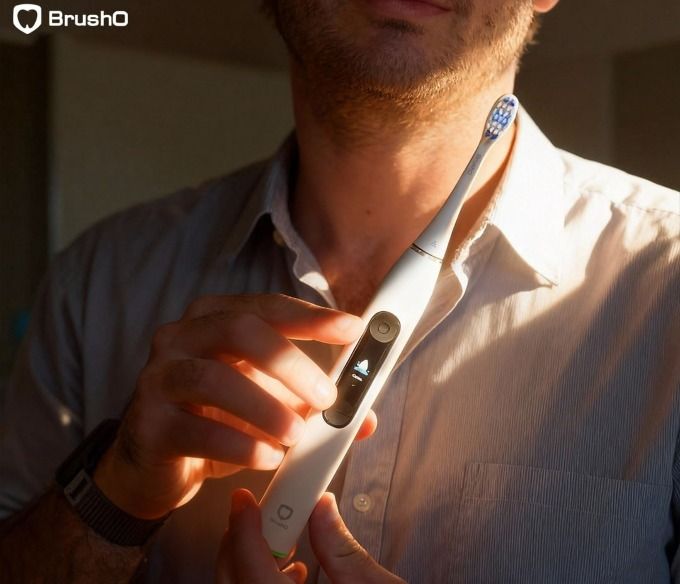
Bleeding gums are your body’s early warning system. Here are some of the most common culprits:
Using too much force or brushing with hard bristles can irritate and damage delicate gum tissue.
Bacteria build-up around the gumline causes inflammation, leading to bleeding, swelling, and even gum recession.
When plaque hardens between teeth, it inflames the gums — flossing too aggressively after a long time can trigger bleeding.
These vitamins play a role in tissue repair and blood clotting. A deficiency can weaken your gums.
Pregnancy, menstruation, or menopause can cause gum sensitivity and increased bleeding.
Blood thinners or disorders like diabetes may contribute to persistent gum bleeding.
Bleeding gums may be painless at first, but the consequences can be serious:
Untreated gingivitis can lead to bone loss and eventual tooth loss.
Infected gums can allow bacteria to enter the bloodstream, increasing the risk of heart disease and stroke.
Oral inflammation has been linked to systemic diseases like diabetes and arthritis.
In short, the mouth is connected to your entire body. Don’t take bleeding lightly.
BrushO’s smart brushing system is designed to support your gum health through technology and personalized care:
BrushO alerts you in real time when brushing too hard — one of the leading causes of bleeding gums.
With its AI-powered 6-zone, 16-surface tracking, BrushO ensures no area of the gumline is left behind — even the hard-to-reach molars.
Choose Gum Care Mode for extra gentle yet effective cleaning that soothes sensitive gums.
Track your gum care habits with daily scores and heatmaps, allowing you to notice trends — like frequent bleeding in a specific area — early.
In addition to smart brushing, adopt these daily habits:
• Floss gently, but consistently
• Rinse with an alcohol-free mouthwash
• Eat a nutrient-rich diet (especially leafy greens, citrus, and berries)
• Stay hydrated to keep tissues healthy
• Visit your dentist regularly, especially if bleeding persists
Bleeding gums are not normal, even if they happen often. They’re trying to tell you something — and BrushO is here to help you listen. By combining gentle precision, real-time feedback, and a gum-friendly brushing mode, BrushO empowers you to take better care of your mouth every day. Don’t wait for a dentist to catch the problem — take proactive control with smart technology at your side.
Jul 30
Jul 30
Jul 29
Jul 22
Jul 19
Jul 17

If you are thirsty after brushing, choose plain water. Plan your usual bedtime drink before brushing and skip the immediate rinse at the sink.

Waterpik recommends warm water for its flossers. Check your own model and use comfortably lukewarm water if cold water feels sharp.

Let an intact handle return to room temperature before you consider charging it. Check your manual and watch for signs of battery or housing damage.

Lift away the paste, check the care label, and use cool water on washable fabric. Here is a quick approach for a fresh spot.

Turn the brush off, then check the fit, the connection, and the condition of the head. A second compatible head can help you narrow it down.

Look for a clean, rigid container with a secure lid and keep it with your belongings. A napkin on a lunch tray is easy to clear away.

Check the care directions for your clear retainer. Clinics give different instructions, and the right cleaning method depends on the appliance you received.

Try a gentle rinse first. If the hull sits between teeth and floss moves freely, make a careful pass and stop if it still feels stuck.

A tight gap or rough edge can catch floss. Notice where it snags, keep the movement gentle, and find out when to ask your dentist to check.

Your first sip can taste sharp after brushing. Here is what may be changing and how to make breakfast taste like breakfast again.

แปรงสีฟันไฟฟ้า BrushO AI ให้คำแนะนำการแปรงแบบเรียลไทม์ ฟีดแบ็กแรงกด การติดตามพื้นที่แปรง และรายงานความคืบหน้าในแอป เพื่อกิจวัตรประจำวันที่สะอาดขึ้น
แปรงสีฟันไฟฟ้า BrushO AI ให้คำแนะนำการแปรงแบบเรียลไทม์ ฟีดแบ็กแรงกด การติดตามพื้นที่แปรง และรายงานความคืบหน้าในแอป เพื่อกิจวัตรประจำวันที่สะอาดขึ้น


Address: RM 1427, 14/F RADIO CITY 505, HENNESSY RD CAUSEWAY BAY, HONG KONG
Code: 000000
Phone: +852-53758652
Email: customerservice@brusho.com