
Jul 30
Jul 30
Jul 29
Jul 22
Jul 19
Jul 17
Most people rarely think about how they breathe, yet breathing technique plays a surprisingly important role in oral health. Chronic mouth breathing can dry out the mouth, disrupt the oral microbiome, weaken enamel, and increase the risk of gum disease, cavities, and bad breath. In contrast, healthy nasal breathing supports saliva production, bacterial balance, and long-term dental health. Understanding how breathing habits affect your mouth is a critical step toward preventing hidden oral problems and building healthier daily routines.
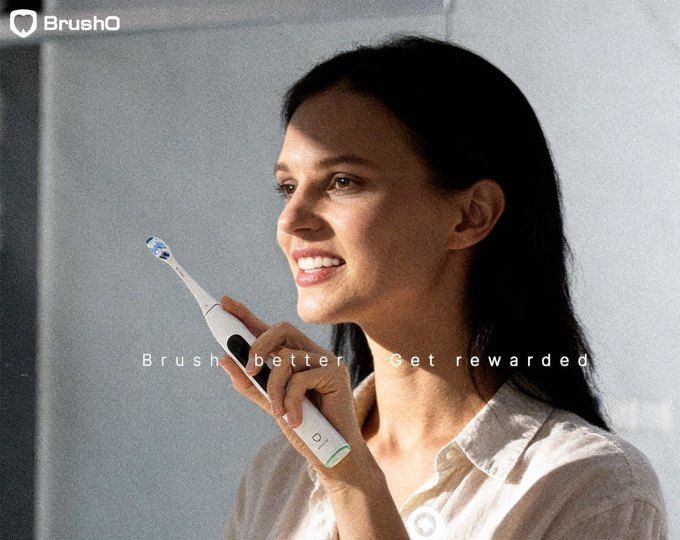
Breathing is automatic, but how you breathe matters. The mouth and nose play very different roles in protecting oral health. Nasal breathing filters air, regulates moisture, and supports saliva flow. Mouth breathing, on the other hand, bypasses these natural defenses and exposes teeth and gums to dryness and bacteria. Over time, improper breathing techniques can silently damage oral health—even in people who brush regularly.
• Neutralizing acids
• Washing away bacteria
• Protecting enamel
Mouth breathing significantly reduces saliva production, leading to dry mouth, which increases the risk of cavities, plaque buildup, and gum inflammation.
Without enough saliva, bacteria multiply rapidly. These bacteria produce sulfur compounds that cause chronic bad breath, especially noticeable in the morning or after long periods of mouth breathing.
Dry oral tissues are more vulnerable to irritation and infection. Mouth breathers often experience:
• Red or swollen gums
• Bleeding during brushing
• Gum recession over time
These symptoms are early warning signs of gingivitis and periodontal disease.
Saliva helps maintain a balanced oral pH. When saliva levels drop, acids remain on tooth surfaces longer, increasing enamel erosion and cavity formation—even if brushing habits seem adequate.
Healthy nasal breathing supports oral health by:
• Maintaining moisture levels
• Supporting beneficial oral bacteria
• Reducing acid exposure
• Improving oxygen delivery to tissues
People who breathe through their nose consistently tend to have fewer issues with dry mouth, gum inflammation, and bad breath.
Many people mouth-breathe while sleeping without realizing it. Signs include:
• Waking up with a dry mouth
• Morning bad breath
• Sore throat
• Increased plaque buildup
Nighttime mouth breathing is especially damaging because saliva production naturally decreases during sleep.
While improving breathing habits is important, smart oral care tools can help minimize damage caused by mouth breathing.
A smart toothbrush like BrushO helps by:
• Ensuring full-mouth coverage, even in dry-prone areas
• Monitoring brushing pressure to protect weakened enamel
• Encouraging consistent, effective brushing habits
• Providing feedback that helps reduce gum inflammation
When breathing habits aren’t ideal, precision brushing becomes even more important.
To protect your oral health if you tend to mouth-breathe:
• Stay hydrated throughout the day
• Clean your tongue daily
• Avoid alcohol-based mouthwashes
• Maintain gentle, thorough brushing routines
• Monitor brushing quality, not just brushing time
Over time, these changes help restore balance to the oral environment.
Breathing technique plays a much larger role in oral health than most people realize. Chronic mouth breathing can dry out the mouth, disrupt the oral microbiome, weaken enamel, and increase the risk of gum disease and bad breath. By understanding the connection between breathing and oral health—and supporting it with intelligent oral care—users can prevent long-term damage and maintain a healthier mouth.
BrushO is an AI-powered smart toothbrush designed to protect and improve oral health through precision guidance. By monitoring brushing pressure, coverage, timing, and technique, BrushO helps users maintain healthier teeth and gums—even when lifestyle factors like mouth breathing increase oral health risks. With smart feedback, habit tracking, and personalized brushing insights, BrushO turns daily brushing into proactive oral care.
Jul 30
Jul 30
Jul 29
Jul 22
Jul 19
Jul 17

If you are thirsty after brushing, choose plain water. Plan your usual bedtime drink before brushing and skip the immediate rinse at the sink.

Waterpik recommends warm water for its flossers. Check your own model and use comfortably lukewarm water if cold water feels sharp.

Let an intact handle return to room temperature before you consider charging it. Check your manual and watch for signs of battery or housing damage.

Lift away the paste, check the care label, and use cool water on washable fabric. Here is a quick approach for a fresh spot.

Turn the brush off, then check the fit, the connection, and the condition of the head. A second compatible head can help you narrow it down.

Look for a clean, rigid container with a secure lid and keep it with your belongings. A napkin on a lunch tray is easy to clear away.

Check the care directions for your clear retainer. Clinics give different instructions, and the right cleaning method depends on the appliance you received.

Try a gentle rinse first. If the hull sits between teeth and floss moves freely, make a careful pass and stop if it still feels stuck.

A tight gap or rough edge can catch floss. Notice where it snags, keep the movement gentle, and find out when to ask your dentist to check.

Your first sip can taste sharp after brushing. Here is what may be changing and how to make breakfast taste like breakfast again.

แปรงสีฟันไฟฟ้า BrushO AI ให้คำแนะนำการแปรงแบบเรียลไทม์ ฟีดแบ็กแรงกด การติดตามพื้นที่แปรง และรายงานความคืบหน้าในแอป เพื่อกิจวัตรประจำวันที่สะอาดขึ้น
แปรงสีฟันไฟฟ้า BrushO AI ให้คำแนะนำการแปรงแบบเรียลไทม์ ฟีดแบ็กแรงกด การติดตามพื้นที่แปรง และรายงานความคืบหน้าในแอป เพื่อกิจวัตรประจำวันที่สะอาดขึ้น


Address: RM 1427, 14/F RADIO CITY 505, HENNESSY RD CAUSEWAY BAY, HONG KONG
Code: 000000
Phone: +852-53758652
Email: customerservice@brusho.com