
Jul 30
Jul 30
Jul 29
Jul 22
Jul 19
Jul 17
Learn expert-backed tips on how to keep your electric toothbrush clean, prevent bacteria buildup, and protect your oral health—featuring smart hygiene benefits of the BrushO toothbrush.
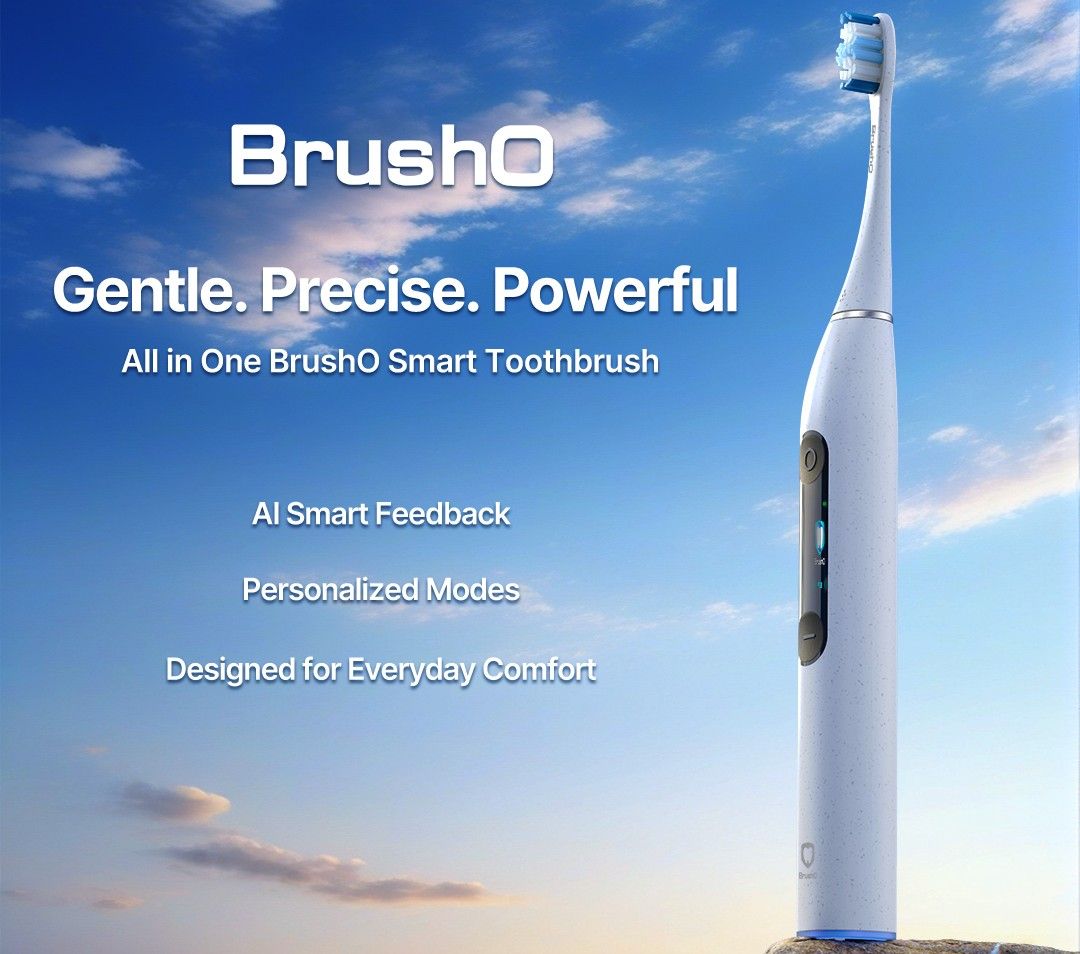
Many people focus on brushing techniques but overlook how dirty a toothbrush can get. Studies show that toothbrushes can harbor up to 10 million bacteria, including E. coli and Staphylococcus aureus, especially when stored in damp environments.
Neglecting toothbrush hygiene can result in:
The American Dental Association recommends replacing toothbrush heads every 3 months or sooner if bristles become frayed.
Electric toothbrushes are more effective at removing plaque, but their heads can still attract bacteria if not properly maintained. Many users forget to clean or sanitize the handle, charging dock, or bristle base.
Use hot water to rinse bristles after brushing. Remove any visible debris and shake off excess water.
Let your toothbrush air dry in a vertical position. Avoid toothbrush caps that trap moisture.
BrushO Advantage: The BrushO charging base is designed to keep the brush upright with airflow, reducing bacterial buildup.
Soak the brush head in:
Every 3 months is the general rule—or sooner if you’re sick or see bristles deforming.
Tip: BrushO’s smart reminder alerts you when it’s time to change your brush head.
Smart toothbrushes like BrushO don’t just optimize cleaning—they also enhance hygiene with features like:
Detects areas missed and recommends rebrushing, reducing residue buildup.
Tracks your habits so you know how well you’re maintaining hygiene.
Allows safe rinsing of the entire device after use.
No. Boiling may deform the bristles or damage electric components. Use warm water or gentle disinfectants instead.
Only if it’s dry and ventilated, enclosed, moist areas are breeding grounds for bacteria.
Yes. Especially after strep throat, flu, or COVID-19—to avoid reinfection.
Keeping your toothbrush clean is as important as brushing itself. With a smart routine and the right tools, like the AI-powered BrushO toothbrush, you can maintain a hygienic, effective, and bacteria-free brushing experience.
Jul 30
Jul 30
Jul 29
Jul 22
Jul 19
Jul 17

If you are thirsty after brushing, choose plain water. Plan your usual bedtime drink before brushing and skip the immediate rinse at the sink.

Waterpik recommends warm water for its flossers. Check your own model and use comfortably lukewarm water if cold water feels sharp.

Let an intact handle return to room temperature before you consider charging it. Check your manual and watch for signs of battery or housing damage.

Lift away the paste, check the care label, and use cool water on washable fabric. Here is a quick approach for a fresh spot.

Turn the brush off, then check the fit, the connection, and the condition of the head. A second compatible head can help you narrow it down.

Look for a clean, rigid container with a secure lid and keep it with your belongings. A napkin on a lunch tray is easy to clear away.

Check the care directions for your clear retainer. Clinics give different instructions, and the right cleaning method depends on the appliance you received.

Try a gentle rinse first. If the hull sits between teeth and floss moves freely, make a careful pass and stop if it still feels stuck.

A tight gap or rough edge can catch floss. Notice where it snags, keep the movement gentle, and find out when to ask your dentist to check.

Your first sip can taste sharp after brushing. Here is what may be changing and how to make breakfast taste like breakfast again.

แปรงสีฟันไฟฟ้า BrushO AI ให้คำแนะนำการแปรงแบบเรียลไทม์ ฟีดแบ็กแรงกด การติดตามพื้นที่แปรง และรายงานความคืบหน้าในแอป เพื่อกิจวัตรประจำวันที่สะอาดขึ้น
แปรงสีฟันไฟฟ้า BrushO AI ให้คำแนะนำการแปรงแบบเรียลไทม์ ฟีดแบ็กแรงกด การติดตามพื้นที่แปรง และรายงานความคืบหน้าในแอป เพื่อกิจวัตรประจำวันที่สะอาดขึ้น


Address: RM 1427, 14/F RADIO CITY 505, HENNESSY RD CAUSEWAY BAY, HONG KONG
Code: 000000
Phone: +852-53758652
Email: customerservice@brusho.com