
Jul 30
Jul 30
Jul 29
Jul 22
Jul 19
Jul 17
Brushing your teeth removes harmful bacteria and disrupts plaque formation—but it doesn’t sterilize your mouth. In fact, oral bacteria begin rebuilding within minutes of brushing. Understanding how bacteria repopulate after brushing can help you optimize your oral care routine, protect your enamel, and prevent issues like cavities and gum disease. With the help of AI-powered smart toothbrushes like BrushO, you can better manage the balance of your oral microbiome.
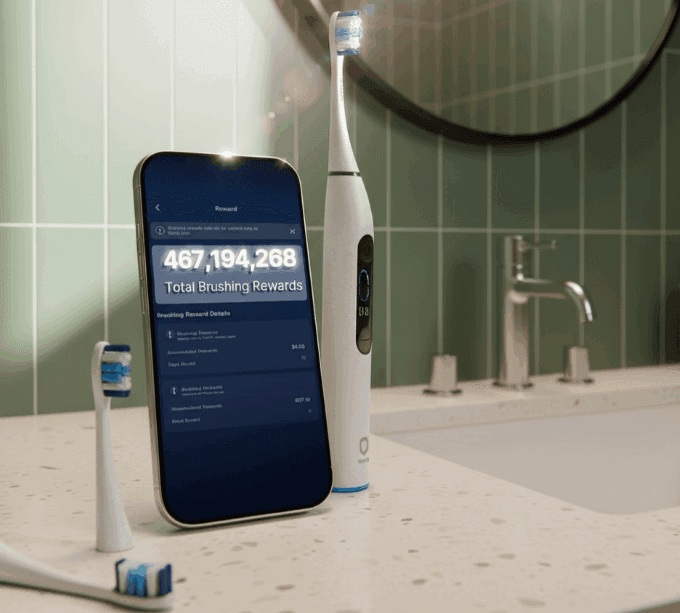
Your mouth is home to over 700 species of bacteria, many of which are essential for digestion, immunity, and maintaining oral pH. After brushing, most of the harmful bacteria are disrupted, but beneficial bacteria remain—and all bacteria quickly begin rebuilding.
• Reattach to enamel surfaces
• Digest food particles and sugars
• Produce acid, starting the decay process again
This cycle means that brushing twice a day is essential—but technique, timing, and routine consistency matter even more.
Brushing removes plaque biofilm and disrupts bacterial colonies. Here’s what happens immediately after:
• Saliva neutralizes acids and begins restoring pH balance
• Residual bacteria left in missed zones begin recolonizing
• Food and drink intake can speed up the regrowth of bad bacteria
The mouth is a dynamic environment—so bacterial rebuilding is inevitable. The goal isn’t total elimination but rather controlled balance.
Some habits and conditions accelerate how fast harmful bacteria return:
• Skipping tongue cleaning: The tongue harbors bacteria that spread quickly
• Eating sugary snacks or acidic drinks: Fuels rapid bacterial growth
• Mouth breathing or dry mouth: Reduces saliva, which naturally controls bacteria
• Incomplete brushing coverage: Leaves safe zones for bacteria to repopulate
BrushO is designed to slow harmful bacterial rebuilding by improving your brushing precision:
Ensures no area is left unbrushed, reducing bacterial hotspots.
Brushing too lightly? Too short? BrushO corrects you in real-time.
Tracks daily performance and helps you build long-term microbiome-friendly habits.
Reminds you when it’s time to brush or rinse—especially after high-sugar or acidic meals.
Want to extend the benefits of brushing? Try these:
• Brush twice a day, once before bed and once after waking up
• Avoid snacking constantly, which feeds bacteria all day
• Clean your tongue to reduce bacterial reservoirs
• Use a fluoride toothpaste to strengthen enamel against bacterial acids
• Rinse with water after meals if brushing isn’t possible
Bacteria start rebuilding just minutes after you brush—but the goal isn’t to kill them all. It’s about balancing your oral microbiome and keeping harmful species under control. Smart toothbrushes like BrushO help you brush more effectively and consistently, slowing the regrowth of harmful bacteria and protecting your long-term oral health.
Jul 30
Jul 30
Jul 29
Jul 22
Jul 19
Jul 17

PPM describes concentration, not the amount to put on the brush. Learn how to read fluoride information while keeping regional guidance and individual advice in view.

That forgotten tube deserves a label check. Learn what toothpaste shelf-life information refers to, why storage matters, and how to avoid guessing from appearance.

Clear gel or opaque paste? Texture is only one feature. Learn which label details matter when comparing toothpastes for your brushing routine.

Minty toothpaste can create a cooling sensation without being chilled. Explore what menthol does and why a fresh feeling is different from complete cleaning.

The sound of a powered brush comes with its moving mechanism. Learn how normal operating noise differs from alerts or an unexpected change that needs checking.

Toothpaste on the mirror? Check when you switch the brush on and off, how you position it, and how to pause without rushing your routine.

A whitening brushing program and a bleaching treatment are different things. Learn how to interpret mode names, surface-stain claims, and realistic expectations.

A tiny cluster of bristles serves a different purpose from a full-size head. Learn where a single-tuft brush may fit into an individually recommended cleaning routine.

Angled tufts, different bristle heights, and the angle of your hand are separate design questions. Learn how to read a toothbrush-head description clearly.

A larger head is not an automatic shortcut to cleaner teeth. Learn how head size affects access, positioning, and the fit of your daily brushing routine.

แปรงสีฟันไฟฟ้า BrushO AI ให้คำแนะนำการแปรงแบบเรียลไทม์ ฟีดแบ็กแรงกด การติดตามพื้นที่แปรง และรายงานความคืบหน้าในแอป เพื่อกิจวัตรประจำวันที่สะอาดขึ้น
แปรงสีฟันไฟฟ้า BrushO AI ให้คำแนะนำการแปรงแบบเรียลไทม์ ฟีดแบ็กแรงกด การติดตามพื้นที่แปรง และรายงานความคืบหน้าในแอป เพื่อกิจวัตรประจำวันที่สะอาดขึ้น


Address: RM 1427, 14/F RADIO CITY 505, HENNESSY RD CAUSEWAY BAY, HONG KONG
Code: 000000
Phone: +852-53758652
Email: customerservice@brusho.com