
Jul 30
Jul 30
Jul 29
Jul 22
Jul 19
Jul 17
You’ve brushed your teeth thousands of times—but have you ever updated your brushing technique? Many people brush the same way they did 10 or even 20 years ago, not realizing that oral care has evolved. Today’s research, technology, and smarter tools reveal that outdated methods can lead to gum damage, enamel erosion, and poor brushing coverage. In this article, we’ll explore why your brushing habits may be stuck in the past—and how a smarter, AI-powered approach with BrushO can revolutionize your smile.
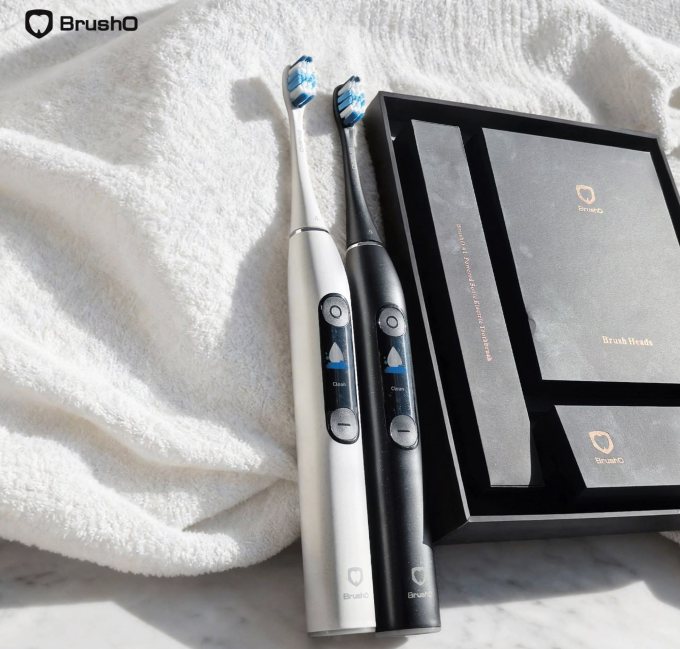
Think back to your brushing routine a decade ago. Chances are, it looked something like this:
• Manual toothbrush
• Back-and-forth scrubbing motion
• 2-minute timer (if you remembered)
• Guesswork on pressure and coverage
While it felt effective, studies have since revealed that these old-school habits often lead to missed areas, gum abrasion, and inefficient plaque removal. Brushing, like everything else in life, benefits from innovation.
Dental experts now agree: brushing too hard is one of the top causes of enamel erosion and gum recession. In the past years, few people had access to pressure-sensitive tools. Today, smart brushes like BrushO detect excessive force and correct your brushing in real time.
Gone are the days of the “30 seconds per quadrant” method. BrushO divides your mouth into 6 zones and 16 surfaces, ensuring every part gets the attention it deserves—without relying on guesswork.
In the past, you brushed and hoped for the best. Now, smart brushes give you brushing scores, missed-area alerts, and trend tracking through mobile apps. You no longer brush blindly—you brush with insight.
Brushing the “old way” might feel familiar, but here’s what you risk:
• Overbrushing: Too much pressure damages your enamel.
• Underbrushing: You miss areas—especially molars or inner surfaces.
• Inconsistent timing: Without real-time tracking, you may brush too short (or over-focus on one area).
• No progress: You never improve because you’re never guided.
Just as you’d upgrade your phone or car over the years, your toothbrush—and how you use it—deserves an upgrade too.
BrushO wasn’t just designed to look sleek—it’s built to think. Here’s how it helps users break out of old habits:
🧠 AI Feedback: Tracks pressure, angle, timing, and coverage in real-time.
📊 Scoring System: Rates your brushing and highlights areas for improvement.
📱 Smart App Sync: Visual heatmaps show missed zones or brushing blind spots.
🪥 Dynamic Modes: Switch between Ultra-Gentle, Deep Clean, or Gum Care depending on your needs.
🧒 Family-Friendly: Tracks kids’ progress and rewards good brushing through “Brush & Earn.”
Upgrading your brushing isn’t about overhauling your life—it’s about using the right tool and feedback to improve gradually. BrushO helps you:
• Reduce gum sensitivity
• Prevent plaque buildup
• Protect enamel from excessive force
• Build sustainable brushing habits that evolve with you
Just because you’ve always brushed a certain way doesn’t mean it’s the right way. In fact, many people unintentionally harm their teeth with outdated routines. With BrushO, you bring your oral care into the 2020s—smarter, safer, and more effective.
BrushO is a smart electric toothbrush powered by AI, designed to transform your daily brushing into a habit-building, precision-based experience. With 16-surface feedback, real-time brushing scores, and personalized guidance, BrushO empowers users of all ages to brush better—not harder.
Jul 30
Jul 30
Jul 29
Jul 22
Jul 19
Jul 17

PPM describes concentration, not the amount to put on the brush. Learn how to read fluoride information while keeping regional guidance and individual advice in view.

That forgotten tube deserves a label check. Learn what toothpaste shelf-life information refers to, why storage matters, and how to avoid guessing from appearance.

Clear gel or opaque paste? Texture is only one feature. Learn which label details matter when comparing toothpastes for your brushing routine.

Minty toothpaste can create a cooling sensation without being chilled. Explore what menthol does and why a fresh feeling is different from complete cleaning.

The sound of a powered brush comes with its moving mechanism. Learn how normal operating noise differs from alerts or an unexpected change that needs checking.

Toothpaste on the mirror? Check when you switch the brush on and off, how you position it, and how to pause without rushing your routine.

A whitening brushing program and a bleaching treatment are different things. Learn how to interpret mode names, surface-stain claims, and realistic expectations.

A tiny cluster of bristles serves a different purpose from a full-size head. Learn where a single-tuft brush may fit into an individually recommended cleaning routine.

Angled tufts, different bristle heights, and the angle of your hand are separate design questions. Learn how to read a toothbrush-head description clearly.

A larger head is not an automatic shortcut to cleaner teeth. Learn how head size affects access, positioning, and the fit of your daily brushing routine.

แปรงสีฟันไฟฟ้า BrushO AI ให้คำแนะนำการแปรงแบบเรียลไทม์ ฟีดแบ็กแรงกด การติดตามพื้นที่แปรง และรายงานความคืบหน้าในแอป เพื่อกิจวัตรประจำวันที่สะอาดขึ้น
แปรงสีฟันไฟฟ้า BrushO AI ให้คำแนะนำการแปรงแบบเรียลไทม์ ฟีดแบ็กแรงกด การติดตามพื้นที่แปรง และรายงานความคืบหน้าในแอป เพื่อกิจวัตรประจำวันที่สะอาดขึ้น


Address: RM 1427, 14/F RADIO CITY 505, HENNESSY RD CAUSEWAY BAY, HONG KONG
Code: 000000
Phone: +852-53758652
Email: customerservice@brusho.com