
Jul 30
Jul 30
Jul 29
Jul 22
Jul 19
Jul 17
Recurring mouth infections are not just dental problems — they are often early warning signs of a weakened immune system. When your body’s defenses drop, harmful bacteria, fungi, and viruses in the mouth multiply rapidly, leading to repeated gum infections, sores, and inflammation. This article explains how oral infections reflect immune health, what causes them, and how proper oral care with smart tools can help restore both oral and systemic balance.
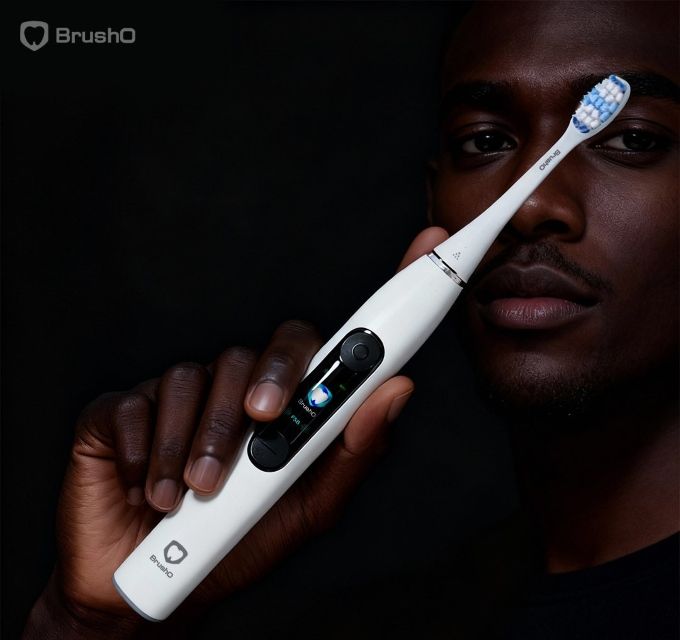
Your mouth is the largest immune interface in your body. It is constantly exposed to bacteria, fungi, and viruses. When your immune system is strong, saliva, antibodies, and healthy gums keep these microbes under control. When immunity weakens, infections appear first in the mouth. This is why recurrent gum infections, mouth sores, thrush, or abscesses often show up before more severe illnesses are diagnosed.
The immune system normally suppresses harmful microbes. But when it weakens due to stress, illness, poor sleep, or inflammation, oral bacteria become aggressive.
This leads to:
• Frequent gum infections
• Bleeding gums
• Swollen or painful mouth tissue
• Mouth ulcers
• Fungal infections like thrush
• Persistent bad breath
These are not random. They are biological signals of an immune imbalance.
When plaque and gum inflammation persist, harmful bacteria enter the bloodstream. This forces the immune system to stay in constant defense mode.
Chronic oral infections:
• Drain immune resources
• Increase inflammatory burden
• Reduce white blood cell efficiency
• Make viral and bacterial infections harder to fight
This creates a vicious cycle: weaker immunity leads to more oral infections, which further weakens immunity.
Saliva contains:
• Antibodies (IgA)
• Antimicrobial enzymes
• Minerals that heal enamel
• Immune signaling molecules
When immunity drops, saliva quality declines. Dry mouth, thick saliva, and acidic pH allow microbes to dominate, increasing infection risk.
Repeated oral infections are associated with:
• Chronic stress
• Sleep deprivation
• Nutritional deficiencies
• Diabetes
• Autoimmune disorders
• Hormonal imbalance
• High systemic inflammation
The mouth reveals what blood tests may miss.
Standard brushing often leaves bacteria behind, especially along the gumline and between teeth — exactly where immune defense is weakest.
This allows:
• Hidden bacterial reservoirs
• Ongoing immune activation
• Repeated reinfection
To protect immunity, inflammation must be removed completely — not partially.
BrushO removes the microbial trigger that keeps the immune system inflamed.
Its AI system ensures:
• No gumline is missed
• No zone is under-cleaned
• No over-brushing damages immune barriers
• No bacteria survive in hidden areas
By stabilizing the oral microbiome, BrushO allows the immune system to recover and rebalance.
Signs Your Mouth Is Showing Immune Stress
• Gum bleeding
• Slow healing sores
• Chronic bad breath
• Repeated infections
• White patches
• Swollen tissue
These are immune signals — not cosmetic issues.
Your mouth is your immune system’s early warning system. When infections repeat, it means your defenses are under strain. By eliminating oral inflammation at its source, BrushO helps restore immune balance — protecting not just your smile, but your entire body. Healthy gums mean stronger immunity. 🛡️🦷
Jul 30
Jul 30
Jul 29
Jul 22
Jul 19
Jul 17

Hyperdontia is the presence of one or more teeth in excess of the normal dental formula, and the resulting teeth are described as supernumerary. The condition is common enough to appear in routine practice but variable enough in presentation that the decision to intervene is rarely straightforwar...

Few patients complete orthodontic treatment without asking whether their teeth will move back. The honest answer is that they will, to some degree, in the majority of cases. Relapse is not a failure of treatment but a predictable biological response, and understanding why it happens is the basis ...

The mandible is the largest and most frequently fractured bone of the facial skeleton, and its management sits at the interface between trauma surgery and restorative dentistry. Treatment has shifted over four decades from prolonged maxillomandibular fixation towards rigid internal fixation with ...

Chronic liver disease affects hundreds of millions of people worldwide, and its prevalence continues to rise with the epidemic of metabolic liver disease. The liver is central to haemostasis, drug metabolism and immune competence, and its failure therefore alters the risk profile of almost every ...

Excessive gingival display, commonly described as a gummy smile, is one of the most frequent aesthetic concerns presented to dental practitioners. The condition is not a single entity but a clinical presentation that can arise from skeletal, gingival, muscular or dental factors, and the treatment...

Drug-induced gingival overgrowth is a well-recognised adverse effect of several widely prescribed medications, and it remains one of the most common drug-related findings in periodontal practice. The condition produces firm, fibrous enlargement of the gingiva that can interfere with speech, masti...

Denture stomatitis is an inflammatory condition of the denture-bearing mucosa that affects a large proportion of removable prosthesis wearers, yet it is frequently dismissed as a cosmetic annoyance. The condition is driven by a Candida biofilm on the fitting surface of the prosthesis, and it is m...

Chronic kidney disease affects an estimated 850 million people worldwide, and the number of patients surviving on dialysis or with a renal transplant continues to rise. These patients carry an oral disease burden that is substantially higher than that of the general population, and their medical ...

Angular cheilitis is an inflammatory lesion of the labial commissures that presents with erythema, fissuring and crusting at the corners of the mouth. It is one of the most common conditions encountered in general dental practice, yet it is frequently treated as a simple fungal infection and allo...

Adverse reactions to dental materials are uncommon but they are not rare, and they are frequently misdiagnosed because the oral mucosa responds to allergens in a limited number of ways. A burning sensation, a persistent ulcer or an unexplained area of erythema may all represent a hypersensitivity...

Электрическая зубная щетка BrushO с ИИ дает подсказки в реальном времени, обратную связь по давлению, отслеживание покрытия и отчеты о прогрессе в приложении для более чистой ежедневной рутины.
Электрическая зубная щетка BrushO с ИИ дает подсказки в реальном времени, обратную связь по давлению, отслеживание покрытия и отчеты о прогрессе в приложении для более чистой ежедневной рутины.


Address: RM 1427, 14/F RADIO CITY 505, HENNESSY RD CAUSEWAY BAY, HONG KONG
Code: 000000
Phone: +852-53758652
Email: customerservice@brusho.com