
Jul 30
Jul 30
Jul 29
Jul 22
Jul 19
Jul 17
Maintaining good oral hygiene isn’t just about fresh breath—it’s crucial to your heart, brain, and immune system. Discover the powerful connection between oral health and your body’s overall wellness, and how smart toothbrushes like BrushO make preventive care easier and smarter. Looking to improve your overall health? It starts with your mouth. Learn how smart brushing habits using BrushO’s AI-powered technology can support cardiovascular function, reduce inflammation, and strengthen your immune system—all while upgrading your daily oral care routine.
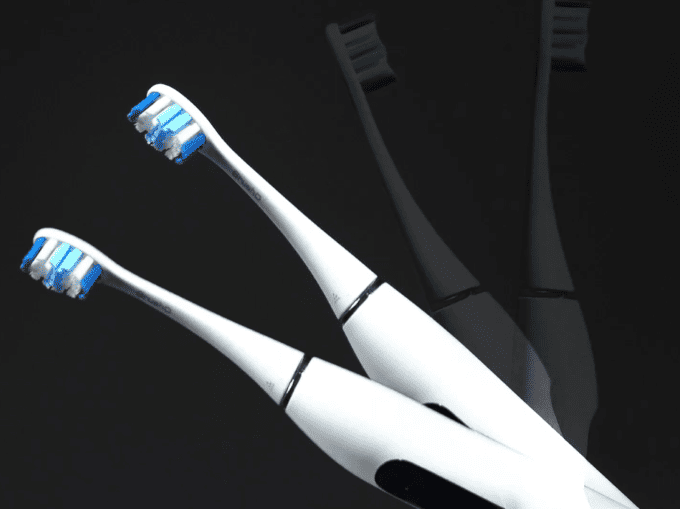
Let’s face it: brushing your teeth is one of the most routine, overlooked health habits. But what if we told you that your oral health is a window to your overall wellness? From heart disease and memory loss to chronic inflammation, your mouth plays a far bigger role than you might imagine. Brushing isn’t just about white teeth—it could be a small but powerful step toward total body health.
Studies have shown a strong correlation between gum disease and cardiovascular issues. When plaque and bacteria build up due to poor oral hygiene, they can enter the bloodstream and trigger systemic inflammation. Over time, this increases the risk of atherosclerosis (narrowed arteries), heart attacks, and strokes.
BrushO’s AI detects poor brushing zones and improper pressure, giving you real-time feedback to reduce plaque build-up and protect your gums—ultimately helping lower your cardiovascular risk over time.
Surprisingly but true: chronic oral inflammation may be linked to cognitive decline, including Alzheimer’s disease. Bacteria from gum disease can cross into the bloodstream and reach the brain, contributing to long-term neurodegeneration.
By coaching users to cover all tooth zones evenly and track consistency through the app, BrushO helps users build preventive habits that reduce the risks linked to long-term inflammation and cognitive decline.
Every time your body has to deal with oral infections or gum inflammation, it’s pulling resources away from other immune responses. This means your immune system works overtime when your mouth isn’t healthy.
By ensuring consistent, thorough, and gentle brushing, BrushO minimizes harmful bacteria buildup and reduces stress on your immune system. The brush also guides users with personalized brushing tips and replacement reminders, all through the app.
We often rush brushing or skip areas without noticing. Over time, these small lapses can turn into bigger health problems. That’s where tech like BrushO steps in—not as a nagging reminder, but as a smart guide.
• AI-Powered Feedback on brushing zones, pressure, and time
• Daily Progress Reports through the BrushO App
• Gentle Mode Options for sensitive gums
• “Brush & Earn” Reward System for sustainable habit-building
• Lifetime Free Brush Head Replacements, reducing waste and costs
Cleaner teeth, fresher breath, and reduced gum pain all lead to more confidence, better sleep, and overall well-being. The benefits go beyond medical stats—they impact how you feel every day.
• A health-first daily ritual
• Data-driven and customized
• Motivating through visible results
BrushO is a smart health tech brand combining AI-driven brushing, personalized app coaching, and eco-friendly design. Developed to improve daily oral care habits, BrushO empowers users with tools to protect both their smile and overall wellness.
Nov 7
Nov 7
Jul 30
Jul 30
Jul 29
Jul 22
Jul 19
Jul 17

Hyperdontia is the presence of one or more teeth in excess of the normal dental formula, and the resulting teeth are described as supernumerary. The condition is common enough to appear in routine practice but variable enough in presentation that the decision to intervene is rarely straightforwar...

Few patients complete orthodontic treatment without asking whether their teeth will move back. The honest answer is that they will, to some degree, in the majority of cases. Relapse is not a failure of treatment but a predictable biological response, and understanding why it happens is the basis ...

The mandible is the largest and most frequently fractured bone of the facial skeleton, and its management sits at the interface between trauma surgery and restorative dentistry. Treatment has shifted over four decades from prolonged maxillomandibular fixation towards rigid internal fixation with ...

Chronic liver disease affects hundreds of millions of people worldwide, and its prevalence continues to rise with the epidemic of metabolic liver disease. The liver is central to haemostasis, drug metabolism and immune competence, and its failure therefore alters the risk profile of almost every ...

Excessive gingival display, commonly described as a gummy smile, is one of the most frequent aesthetic concerns presented to dental practitioners. The condition is not a single entity but a clinical presentation that can arise from skeletal, gingival, muscular or dental factors, and the treatment...

Drug-induced gingival overgrowth is a well-recognised adverse effect of several widely prescribed medications, and it remains one of the most common drug-related findings in periodontal practice. The condition produces firm, fibrous enlargement of the gingiva that can interfere with speech, masti...

Denture stomatitis is an inflammatory condition of the denture-bearing mucosa that affects a large proportion of removable prosthesis wearers, yet it is frequently dismissed as a cosmetic annoyance. The condition is driven by a Candida biofilm on the fitting surface of the prosthesis, and it is m...

Chronic kidney disease affects an estimated 850 million people worldwide, and the number of patients surviving on dialysis or with a renal transplant continues to rise. These patients carry an oral disease burden that is substantially higher than that of the general population, and their medical ...

Angular cheilitis is an inflammatory lesion of the labial commissures that presents with erythema, fissuring and crusting at the corners of the mouth. It is one of the most common conditions encountered in general dental practice, yet it is frequently treated as a simple fungal infection and allo...

Adverse reactions to dental materials are uncommon but they are not rare, and they are frequently misdiagnosed because the oral mucosa responds to allergens in a limited number of ways. A burning sensation, a persistent ulcer or an unexplained area of erythema may all represent a hypersensitivity...

Электрическая зубная щетка BrushO с ИИ дает подсказки в реальном времени, обратную связь по давлению, отслеживание покрытия и отчеты о прогрессе в приложении для более чистой ежедневной рутины.
Электрическая зубная щетка BrushO с ИИ дает подсказки в реальном времени, обратную связь по давлению, отслеживание покрытия и отчеты о прогрессе в приложении для более чистой ежедневной рутины.


Address: RM 1427, 14/F RADIO CITY 505, HENNESSY RD CAUSEWAY BAY, HONG KONG
Code: 000000
Phone: +852-53758652
Email: customerservice@brusho.com