
Jul 30
Jul 30
Jul 29
Jul 22
Jul 19
Jul 17
Gum sensitivity is more common than most people think. It can appear as tenderness, bleeding, or discomfort while brushing—often signaling early inflammation or long‑term brushing habits gone wrong. Fortunately, smart brushing technology is changing the way people care for sensitive gums. With adaptive pressure sensors, guided brushing maps, and soothing cleaning modes, BrushO helps users improve gum health gently and effectively. Instead of brushing harder, smart brushing teaches you to brush smarter—improving coverage, reducing irritation, and supporting long‑term gum wellness.
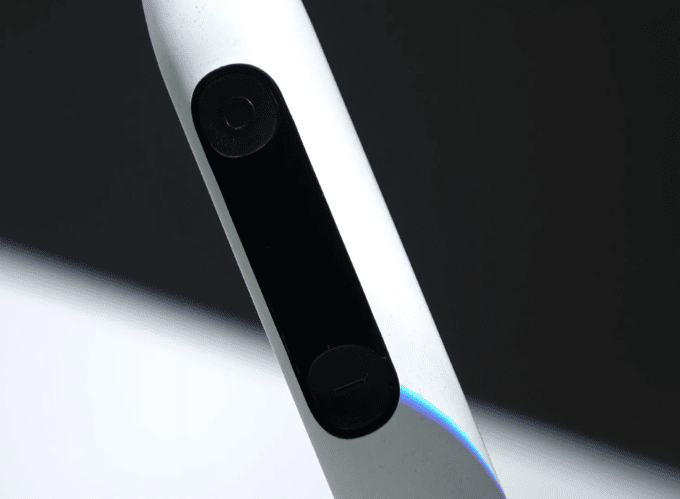
Gum sensitivity can happen for several reasons:
• Aggressive brushing
• Gingivitis / early gum disease
• Plaque buildup along the gumline
• Poor oral hygiene habits
• Hormonal changes
• Brushing with stiff, worn, or expired brush heads
Even if your teeth look clean, your gums may silently suffer. That’s why smarter protection is key.
One of the biggest causes of gum sensitivity is brushing too hard.
Smart toothbrushes—especially BrushO—use AI‑powered pressure sensors that detect when you’re pressing too firmly. If pressure rises, BrushO sends real‑time alerts through its TFT screen + in‑app feedback to guide you back to gentle brushing.
✅ Helps prevent gum recession
✅ Reduces irritation & bleeding
This ensures you clean effectively—without damaging tissue.
Overbrushing can be harmful, but under‑brushing leaves plaque behind.
BrushO tracks brushing performance across 6 zones / 16 tooth surfaces, helping you clean evenly—without scrubbing too much.
This is especially important for people with:
• Weak gum tissue
• Exposed roots
• Early gingivitis
Smart coverage guidance → balanced oral care → less irritation.
BrushO includes multi‑mode customization, including gum‑care presets designed for sensitivity.
Gum‑care modes typically feature:
• Softer sonic vibrations
• Lower amplitude
• Longer gentle massage cycles
Benefits:
✅ Stimulates blood flow
✅ Helps calm inflammation
✅ Cleans without pain
Gum sensitivity often comes from habits you don’t realize you have—like spending too long in one area or brushing at the wrong angle.
BrushO’s daily/weekly/monthly brushing reports help you:
• Identify high‑pressure patterns
• Spot neglected areas
• Track progress over time
You’ll improve faster because your brushing routine becomes data‑driven rather than guesswork.
BrushO includes replaceable soft bristles designed to be gentle near the gumline.
Users can swap brush heads regularly—preventing worn bristles from scratching enamel or gum tissue.
Soft bristles + right pressure = happier gums
Gum recession usually develops when:
• Pressure is too strong
• Technique is poor
• Brush heads are too stiff
BrushO directly addresses these issues with:
• Real‑time pressure alerts
• Gentle sonic vibration control
• Adaptive brushing guidance
This makes it ideal for people with early gum sensitivity or exposed roots.
BrushO encourages consistent, gentle brushing.
With its “Brush & Earn” reward system, users gain points that can be exchanged for free brush heads—helping them maintain lifelong oral habits without a cost burden.
Better habits = healthier gums = fewer dental bills
Start with gum‑care or soft‑clean modes.
Let sonic vibration do the work.
Worn bristles can worsen sensitivity.
Use BrushO to monitor high‑pressure zones.
Consistency beats intensity.
“After switching to BrushO, my gum inflammation improved within two weeks. The pressure alerts helped me stop brushing too hard.” — Sarah, CA.
“My dentist noticed reduced bleeding during cleanings, and I didn’t even change my toothpaste—just BrushO.” — Jonathan, NY.
Smart toothbrushes are redefining home gum care by integrating:
• AI tracking
• Real‑time guidance
• Personalized coaching
• Sustainable brush‑head replacement
BrushO combines all of these with privacy‑preserving Web3‑based data control—giving users ownership of their brushing data.
BrushO is an AI‑powered smart toothbrush designed to improve gum health through:
• Real‑time pressure sensing
• Adaptive brushing feedback
• Soft replaceable brush heads
• Personalized gum‑care modes
• Brushing performance reports
• “Brush & Earn” reward system
• 6‑hour fast charge, 45‑day battery life
Built to help you care for your gums gently, consistently, and confidently.
Nov 7
Nov 7
Jul 30
Jul 30
Jul 29
Jul 22
Jul 19
Jul 17

Coffee and red wine are two of the most common causes of teeth staining, and the stains they leave behind are often considered a cosmetic nuisance rather than a dental health issue. However, these extrinsic stains can make teeth look dull, yellow or brown, and they can affect a person's confidenc...

Mouth sores and ulcers are common oral health issues that can cause significant discomfort and pain. These lesions can affect eating, speaking, and overall quality of life, and understanding their healing times and treatment options can help patients manage them effectively. From common canker so...

X-ray imaging has been the gold standard for detecting cavities for decades, but laser-based technologies now offer a different approach to finding tooth decay. Laser cavity detection uses fluorescence and laser light to identify changes in tooth structure before they appear on an x-ray, and unde...

Facial furrows are not just a cosmetic concern, they are visible markers of the way skin ages and how it responds to dehydration. Dry skin is one of the most common contributors to early and deepening facial lines, and understanding the underlying causes helps explain why certain areas of the fac...

Grinding or clenching the teeth at night, known as bruxism, is more than a dental issue. The muscles that close the jaw are among the strongest in the body, and their chronic overactivation can trigger headaches, ear pain, facial discomfort and disrupted sleep. The connection between bruxism and ...

Decortication, the deliberate removal of a cortical plate to expose or to decompress the tissue beneath it, appears in oral surgery under several names and in several contexts, from transalveolar extraction of a deeply impacted third molar to alveoloplasty of an irregular ridge and to decompressi...

Lichenoid lesions of the oral mucosa present a diagnostic problem before they present a therapeutic one, because the same white reticulated pattern can represent idiopathic oral lichen planus, a contact reaction to a restoration, a drug eruption, or an entirely benign variation such as leukoedema...

Bone in the adult jaw is never quiescent. Roughly 10 percent of the human skeleton is replaced every year, and the alveolar process turns over faster than most skeletal sites because it is loaded intermittently by mastication and by the forces transmitted through the periodontal ligament. The ost...

Root canal treatment succeeds or fails at the interface between the filling material and the dentin wall, and no material has changed that interface more in the past two decades than the calcium silicate bioceramic sealer. These materials descend from Portland cement, set in the presence of moist...

Ameloblastoma is the most common clinically significant odontogenic tumor, and its behaviour is defined less by its ability to spread than by its tendency to return after apparently complete removal. Conservative surgery preserves function and facial contour, and decortication is the procedure mo...

Электрическая зубная щетка BrushO с ИИ дает подсказки в реальном времени, обратную связь по давлению, отслеживание покрытия и отчеты о прогрессе в приложении для более чистой ежедневной рутины.
Электрическая зубная щетка BrushO с ИИ дает подсказки в реальном времени, обратную связь по давлению, отслеживание покрытия и отчеты о прогрессе в приложении для более чистой ежедневной рутины.


Address: RM 1427, 14/F RADIO CITY 505, HENNESSY RD CAUSEWAY BAY, HONG KONG
Code: 000000
Phone: +852-53758652
Email: customerservice@brusho.com