
Jul 30
Jul 30
Jul 29
Jul 22
Jul 19
Jul 17
Most of us think brushing our teeth is the key to staying healthy—but what if your toothbrush is secretly making you sick? Toothbrushes can harbor millions of bacteria if not cleaned, stored, or replaced properly. From causing bad breath to increasing your risk of infections, an unclean toothbrush may be doing more harm than good. In this article, we’ll explore the hidden dangers of a dirty toothbrush, how bacteria build up over time, and what steps you can take to protect yourself. Plus, discover how smart toothbrushes like BrushO use technology to eliminate hygiene risks and ensure every brushing session supports your well-being.
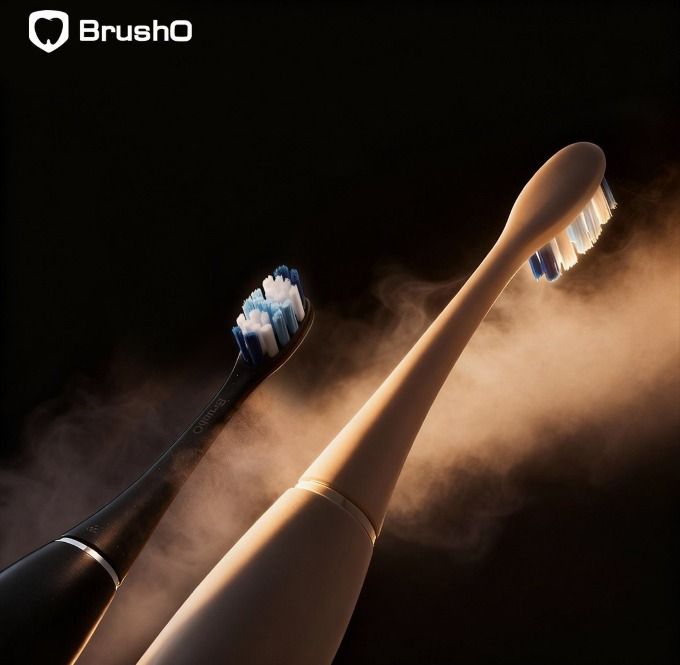
Toothbrushes are designed to keep your mouth clean—but they can become breeding grounds for bacteria, viruses, and mold if not properly maintained. According to the American Dental Association, a toothbrush can be contaminated with staphylococci, E. coli, and even fecal germs, especially when stored in moist, poorly ventilated bathrooms.
A contaminated toothbrush may contribute to:
• Recurrent sore throats
• Bad breath (halitosis)
• Gum infections
• Cold and flu reinfections
• Weakened immune responses in the mouth
After brushing, your toothbrush is damp and coated with food particles, saliva, and plaque—all ideal food sources for microorganisms. Within minutes, your brush may begin to harbor pathogens, especially if it’s stored too close to the toilet (where microscopic droplets may land on the bristles).
• Toothbrushes can harbor over 10 million bacteria.
• Moist environments allow fungal spores and mold to form.
• Germs may survive on your brush for days or even weeks.
Many people unintentionally increase their risk of illness due to poor toothbrushing habits. Here are a few risky practices:
❌ Not rinsing after use: Leaving residue on the bristles.
❌ Storing in closed containers: Traps moisture, encouraging bacterial growth.
❌ Using the same toothbrush when sick: Spreads reinfection.
❌ Brushing near the toilet: Increases risk of airborne contaminants.
❌ Not replacing regularly: Worn bristles collect and retain more bacteria.
Dentists recommend replacing your toothbrush (or toothbrush head) every 3 months—or immediately after recovering from an illness. Frayed bristles aren’t just less effective—they’re more likely to harbor harmful bacteria and fungi. If you’re using a smart toothbrush like BrushO, it automatically tracks your usage and reminds you when it’s time to replace your brush head. Plus, BrushO offers a free brush head program, encouraging safe, consistent oral care.
BrushO isn’t just a toothbrush—it’s a hygiene-optimized oral health device:
Its AI-powered sensors monitor pressure, angle, and coverage—so you avoid overbrushing (which can cause microtears, allowing bacteria to enter).
BrushO users get free replacement heads for life—no excuse to use worn-out bristles.
The magnetic charging stand promotes airflow, reducing bacterial moisture buildup.
The app reminds users when to sanitize, replace, and rinse their brush properly—so cleanliness becomes a habit, not a guess.
Your toothbrush may be the most important health tool you use every day—so don’t let it work against you. Simple changes in care and smarter technology can dramatically reduce your exposure to illness-causing bacteria. With BrushO, you get more than just cleaner teeth—you get peace of mind knowing your brushing tool supports total wellness.
BrushO is a Stanford-featured, AI-powered smart toothbrush designed to revolutionize daily brushing. It offers:
• Real-time feedback on brushing habits
• Zone-by-zone pressure and timing analysis
• Custom modes (whitening, gum care, deep clean)
• Free replacement heads for life
• Smart app tracking with heatmaps, scoring, and hygiene alerts
It’s not just smart—it’s hygienic, safe, and backed by 40+ UK dental clinics.
Jul 30
Jul 30
Jul 29
Jul 22
Jul 19
Jul 17

PPM describes concentration, not the amount to put on the brush. Learn how to read fluoride information while keeping regional guidance and individual advice in view.

That forgotten tube deserves a label check. Learn what toothpaste shelf-life information refers to, why storage matters, and how to avoid guessing from appearance.

Clear gel or opaque paste? Texture is only one feature. Learn which label details matter when comparing toothpastes for your brushing routine.

Minty toothpaste can create a cooling sensation without being chilled. Explore what menthol does and why a fresh feeling is different from complete cleaning.

The sound of a powered brush comes with its moving mechanism. Learn how normal operating noise differs from alerts or an unexpected change that needs checking.

Toothpaste on the mirror? Check when you switch the brush on and off, how you position it, and how to pause without rushing your routine.

A whitening brushing program and a bleaching treatment are different things. Learn how to interpret mode names, surface-stain claims, and realistic expectations.

A tiny cluster of bristles serves a different purpose from a full-size head. Learn where a single-tuft brush may fit into an individually recommended cleaning routine.

Angled tufts, different bristle heights, and the angle of your hand are separate design questions. Learn how to read a toothbrush-head description clearly.

A larger head is not an automatic shortcut to cleaner teeth. Learn how head size affects access, positioning, and the fit of your daily brushing routine.

Электрическая зубная щетка BrushO с ИИ дает подсказки в реальном времени, обратную связь по давлению, отслеживание покрытия и отчеты о прогрессе в приложении для более чистой ежедневной рутины.
Электрическая зубная щетка BrushO с ИИ дает подсказки в реальном времени, обратную связь по давлению, отслеживание покрытия и отчеты о прогрессе в приложении для более чистой ежедневной рутины.


Address: RM 1427, 14/F RADIO CITY 505, HENNESSY RD CAUSEWAY BAY, HONG KONG
Code: 000000
Phone: +852-53758652
Email: customerservice@brusho.com