
Jul 30
Jul 30
Jul 29
Jul 22
Jul 19
Jul 17
CONF3RENCE 2025 took place in Dortmund, Germany, bringing together over 4,000 participants from across AI, blockchain, and Web3 industries. This year, BrushO proudly joined the event, presenting how smart oral care connects with cutting-edge technologies like AI, DePIN, and health tech innovation. In this article, we’ll highlight why CONF3RENCE matters, BrushO’s contributions, and the key takeaways for the global Web3 community.
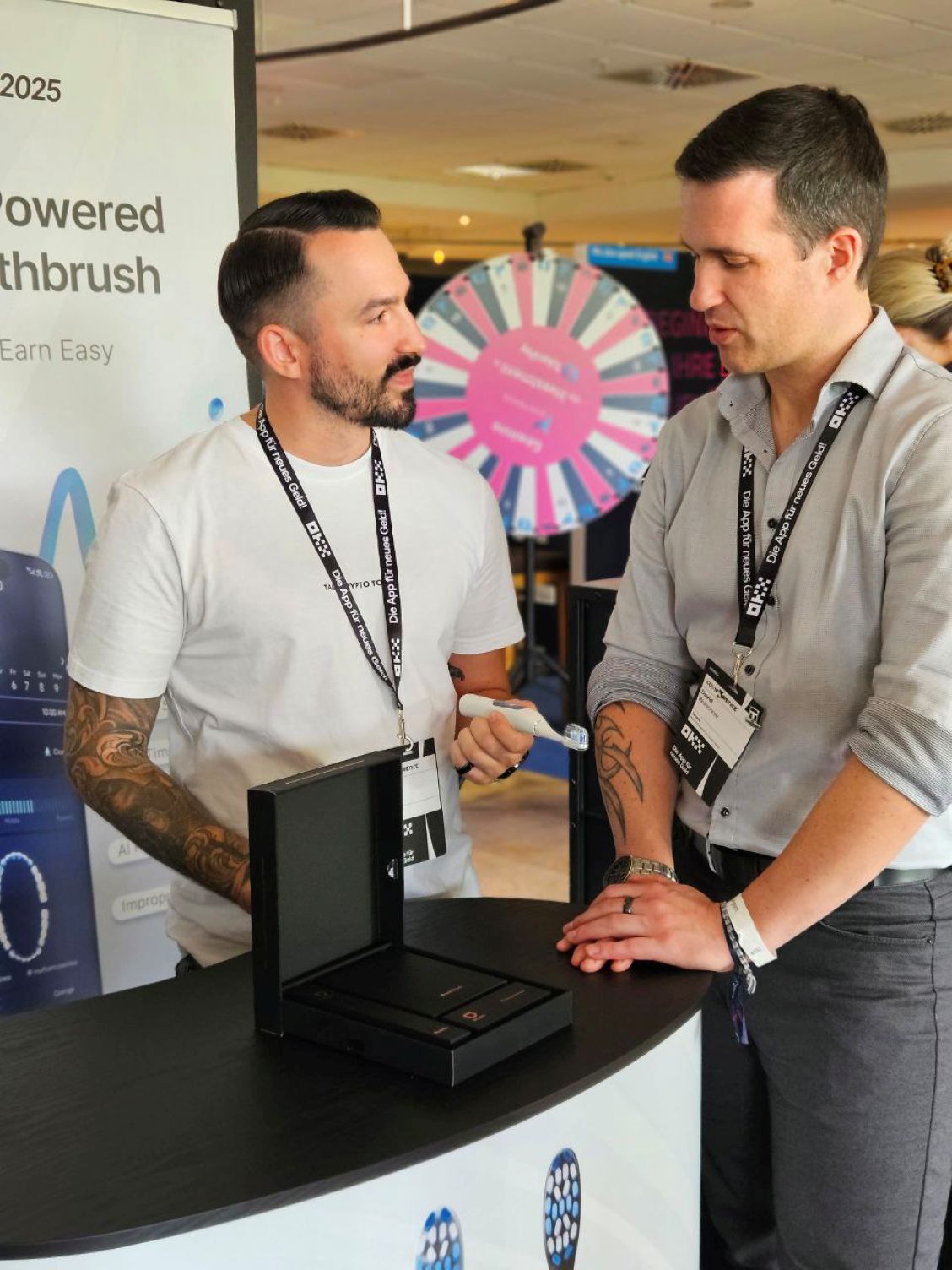
CONF3RENCE is one of Europe’s largest Web3 and AI gatherings, held on September 3–4, 2025, at the Signal Iduna Park in Dortmund. With over 4,000 attendees, 120 global speakers, and 150 exhibitors, it serves as a meeting point for industry leaders, startups, and innovators.
The event’s mission is to explore how emerging technologies—AI, blockchain, Web3, and DePIN (Decentralized Physical Infrastructure Networks)—are shaping industries such as finance, logistics, and now, healthcare.
CONF3RENCE stands out because it connects theory with practice. It’s not only about blockchain or AI hype; it’s about real-world adoption.
For startups like BrushO, this event is a gateway to global networks, helping health tech innovators find their place in the Web3 ecosystem.
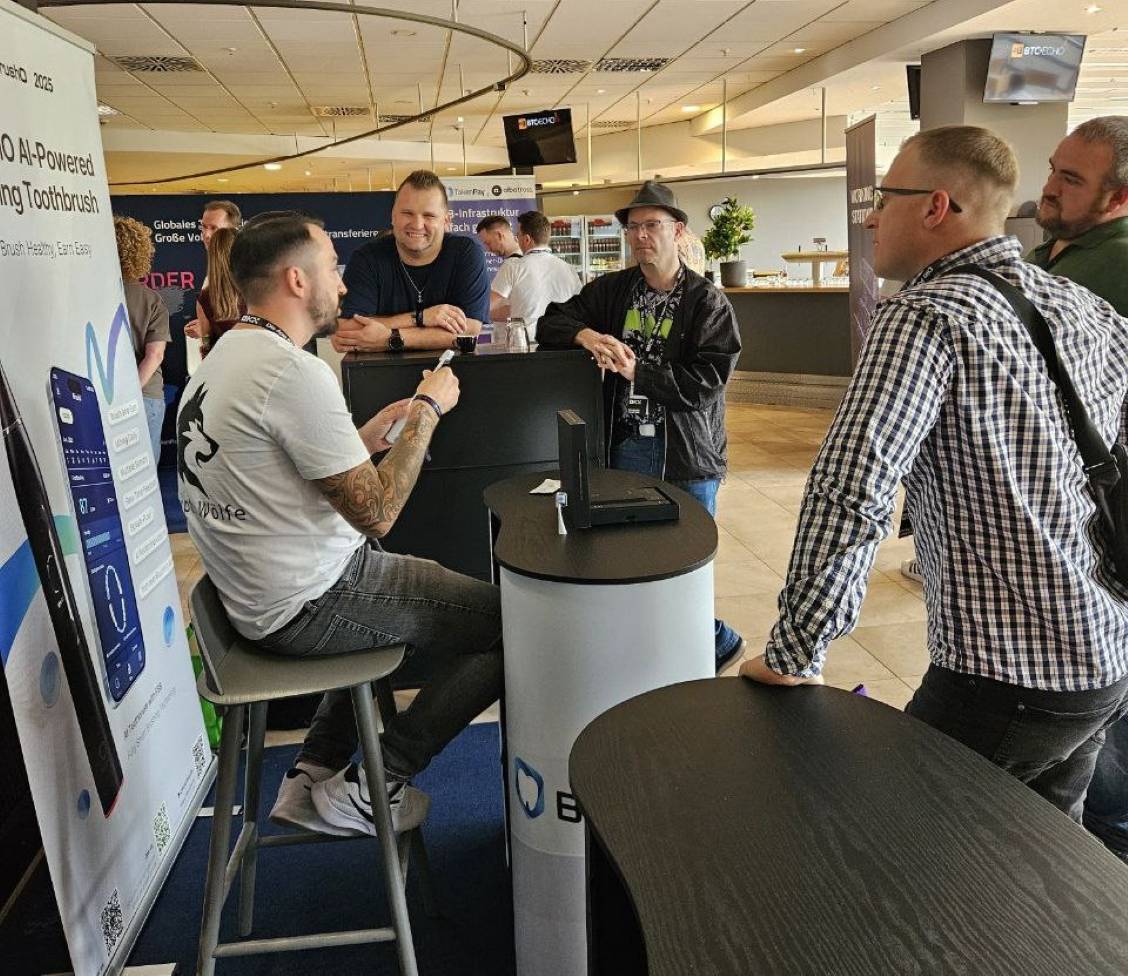
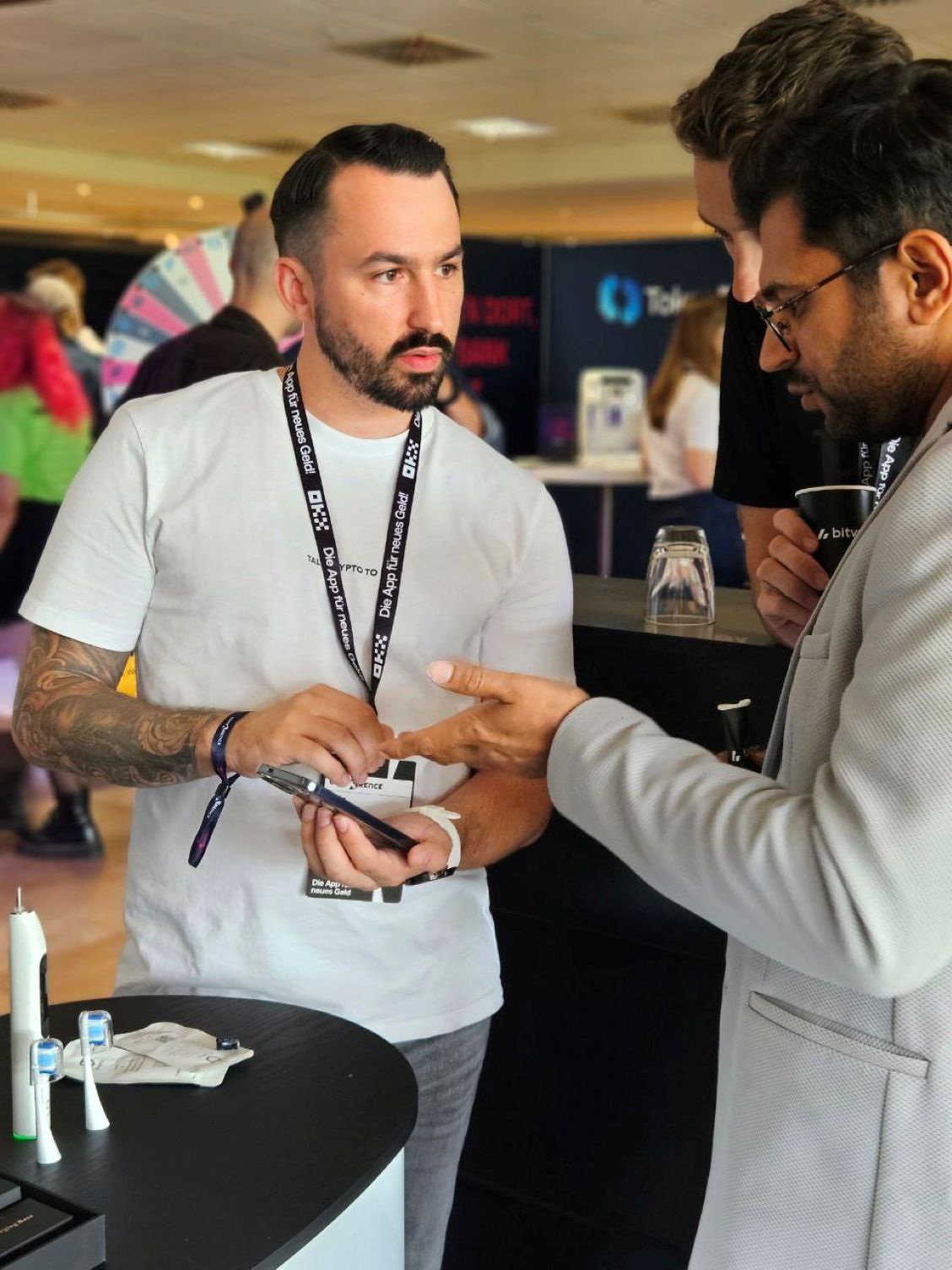
As a smart oral care brand, BrushO introduced its AI-powered electric toothbrush and explained how oral care data can contribute to broader health ecosystems.
Key highlights from BrushO’s showcase:
AI is transforming dentistry and personal health:
BrushO’s presence at CONF3RENCE showed how daily brushing can become part of a larger preventive health strategy.
DePIN (Decentralized Physical Infrastructure Networks) is one of the hottest topics in Web3. It rewards users who contribute physical data or infrastructure to a blockchain network.
This aligns perfectly with CONF3RENCE’s mission: bridging the gap between digital innovation and physical impact.
1. Health Tech Is Rising: Oral care can be part of Web3’s push into healthcare.
2. Cross-Industry Collaboration: CONF3RENCE showed that finance, energy, and health can learn from each other.
3. User Data Empowerment: BrushO highlighted how individuals can own and even monetize their health data responsibly.
Q1: What is CONF3RENCE 2025 about?
It’s a European Web3 and AI event connecting 4,000+ leaders to explore real-world use cases in emerging technologies.
Q2: Why did BrushO attend CONF3RENCE?
To showcase how AI-powered oral care and DePIN models can reshape preventive health.
Q3: How does BrushO connect AI and Web3?
By combining smart toothbrush data with decentralized networks, enabling better oral health while empowering users with data ownership.
Q4: What is DePIN, and why is it relevant to health tech?
DePIN decentralizes infrastructure, rewarding users for contributing real-world data—BrushO applies this to oral health.
BrushO’s participation in CONF3RENCE 2025 was more than sponsorship—it was about showing how AI, Web3, and health tech can work together to create smarter, healthier futures. By joining the Web3 community in Germany, BrushO positioned itself as a pioneer at the crossroads of oral health innovation and decentralized technology.
Sep 9
Sep 4
Jul 30
Jul 30
Jul 29
Jul 22
Jul 19
Jul 17

The uncontrolled hypertension is the condition that the dental practice meets in the patient who presents with the elevated pressure that the guideline does not permit for the elective treatment, and the management of this patient requires the deferral of the dental procedure and the referral to ...

The closure of the extraction space in the orthodontic treatment is the phase that demands the careful selection of the mechanics and the monitoring of the force that the appliance delivers. The sliding mechanics that rely on the continuous archwire and the power chain that connects the brackets ...

The transverse discrepancy of the maxilla is the problem that the crowding and the posterior crossbite often hide, and the maxillary expansion is the treatment that addresses the width of the arch rather than the position of the individual tooth. The clinician who diagnoses the constriction early...

The local anaesthesia is the daily procedure that the modern dentistry treats as the routine, and the complications that follow it range from the transient and the trivial to the permanent and the serious. The clinician who injects by the habit without the anatomy in the mind is the clinician who...

The hypertension is the condition that the dental practice meets in the every day, and the patient who carries the elevated pressure without the symptoms is the patient who presents the risk that the chair-side measurement reveals. The dental team occupies the position that no other profession ho...

The glass-ceramic crown has become the default restoration for the anterior and the many posterior teeth, and the material selection within the family is the decision that determines the strength, the aesthetics, and the longevity of the result. The lithium disilicate, the leucite, and the zircon...

The dental phobia is the extreme form of the dental fear that prevents the patient from attending the treatment that the oral health requires, and the management of the phobia demands the skill that extends beyond the routine behaviour guidance. The systematic desensitization, the exposure therap...

The dental fear of the child is the condition that shapes the attitude for the lifetime, and the clinician who manages the first visits with the skill builds the patient who attends the recall without the dread. The fear that the child develops follows the many sources, and the practice that reco...

The patient with controlled hypertension is the patient who requires the dental care that the oral health demands and the treatment that the blood pressure permits, and the clinician who manages the controlled case safely follows the guideline that the evidence supports. The controlled hypertensi...

The ceramic veneer is the restoration that the aesthetic dentistry depends on, and the bond that retains the veneer on the enamel is the critical link that determines whether the restoration survives the function or fractures and debonds. The clinical technique from the preparation to the cementa...

Электрическая зубная щетка BrushO с ИИ дает подсказки в реальном времени, обратную связь по давлению, отслеживание покрытия и отчеты о прогрессе в приложении для более чистой ежедневной рутины.
Электрическая зубная щетка BrushO с ИИ дает подсказки в реальном времени, обратную связь по давлению, отслеживание покрытия и отчеты о прогрессе в приложении для более чистой ежедневной рутины.


Address: RM 1427, 14/F RADIO CITY 505, HENNESSY RD CAUSEWAY BAY, HONG KONG
Code: 000000
Phone: +852-53758652
Email: customerservice@brusho.com