
Jul 30
Jul 30
Jul 29
Jul 22
Jul 19
Jul 17
Frequent snacking doesn’t just affect your waistline — it can significantly harm your oral health. Every time you reach for a chip, candy, or sugary drink, you’re feeding bacteria that lead to cavities, plaque buildup, and gum issues. In this article, we’ll break down the science behind snack-induced dental damage and explain how AI-powered tools like BrushO help you fight back — one brush at a time.
Snacking multiple times a day — especially on processed, sticky, or sugary foods — creates a constant acid attack in your mouth.
• pH levels drop dramatically in your mouth
• Oral bacteria feast on sugars, producing acid
• Acid erodes enamel, leading to cavities
• No recovery time: Unlike mealtimes, snacking leaves no space for saliva to neutralize acids
Even “healthy” snacks like dried fruits or protein bars often stick to your teeth, continuing the damage for hours.
The Stephan Curve illustrates how oral pH drops after sugar intake and takes 20–30 minutes to return to normal. Snacking too often shortens recovery time, keeping your mouth in a constant acidic state. The more frequently you snack, the more you’re preventing your saliva from protecting your enamel.
• Increased risk of cavities
• Persistent bad breath
• Gum inflammation (gingivitis)
• Enamel erosion, leading to sensitivity
• Staining, especially from flavored snacks and beverages
Traditional brushing routines (morning and night) may not be sufficient for those who snack frequently. You could be leaving plaque deposits untouched for 8+ hours between brushes.
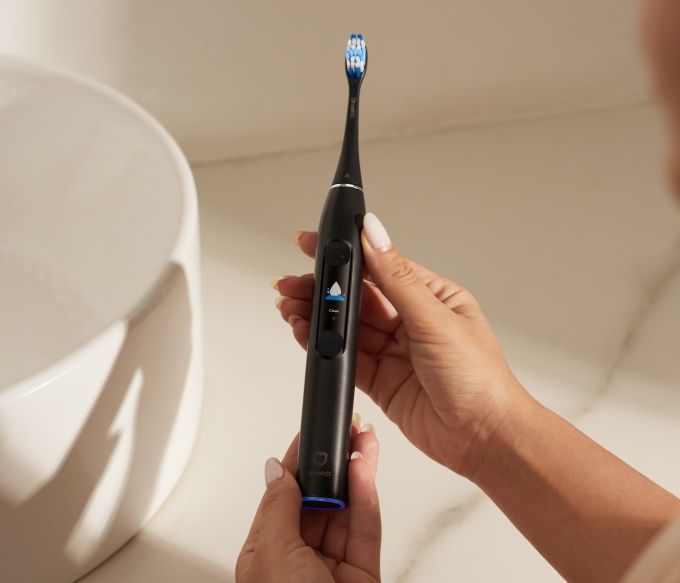
BrushO is designed to adapt to modern lifestyles — including yours.
• Smart Alerts: Get brushing reminders after meals and snack sessions
• Pressure Sensors: Avoid enamel damage from overbrushing
• Zone Tracking: Make sure no food residue lingers in hard-to-reach areas
• Real-Time Feedback: Get a brushing score after each session to ensure effectiveness
• Custom Modes: Try Deep Clean mode after particularly sugary snacks
With BrushO’s intelligent feedback loop, you’re not just brushing — you’re actively protecting your teeth from the cumulative damage of snacking.
If you’re going to snack (we all do!), follow these strategies:
• Choose crunchy fruits & veggies: Apples and carrots stimulate saliva
• Avoid sticky or acidic foods like dried fruit, sodas, or flavored chips
• Rinse your mouth with water immediately after snacking
• Wait 30 mins before brushing to allow enamel to remineralize
• Use a soft-bristle smart toothbrush like BrushO to clean effectively
Frequent snacking may seem harmless, but it creates the perfect storm for plaque, acid, and decay. The good news? With small changes and smart tools, you can enjoy your snacks while protecting your smile. With BrushO, you don’t just brush — you fight back against everyday oral challenges with technology on your side.
Jul 30
Jul 30
Jul 29
Jul 22
Jul 19
Jul 17

If you are thirsty after brushing, choose plain water. Plan your usual bedtime drink before brushing and skip the immediate rinse at the sink.

Waterpik recommends warm water for its flossers. Check your own model and use comfortably lukewarm water if cold water feels sharp.

Let an intact handle return to room temperature before you consider charging it. Check your manual and watch for signs of battery or housing damage.

Lift away the paste, check the care label, and use cool water on washable fabric. Here is a quick approach for a fresh spot.

Turn the brush off, then check the fit, the connection, and the condition of the head. A second compatible head can help you narrow it down.

Look for a clean, rigid container with a secure lid and keep it with your belongings. A napkin on a lunch tray is easy to clear away.

Check the care directions for your clear retainer. Clinics give different instructions, and the right cleaning method depends on the appliance you received.

Try a gentle rinse first. If the hull sits between teeth and floss moves freely, make a careful pass and stop if it still feels stuck.

A tight gap or rough edge can catch floss. Notice where it snags, keep the movement gentle, and find out when to ask your dentist to check.

Your first sip can taste sharp after brushing. Here is what may be changing and how to make breakfast taste like breakfast again.

A escova elétrica BrushO com IA oferece orientação em tempo real, feedback de pressão, rastreamento de cobertura e relatórios de progresso no app para uma rotina diária mais limpa.
A escova elétrica BrushO com IA oferece orientação em tempo real, feedback de pressão, rastreamento de cobertura e relatórios de progresso no app para uma rotina diária mais limpa.


Address: RM 1427, 14/F RADIO CITY 505, HENNESSY RD CAUSEWAY BAY, HONG KONG
Code: 000000
Phone: +852-53758652
Email: customerservice@brusho.com