
Jul 30
Jul 30
Jul 29
Jul 22
Jul 19
Jul 17
Cheese isn’t just a tasty snack — it’s also a hidden ally for your teeth. Rich in calcium, phosphorus, and saliva-boosting properties, cheese helps protect enamel, balance pH, and reduce your risk of cavities. In this post, we explore how and why incorporating cheese into your diet can support better oral hygiene — especially when paired with smart brushing routines like those powered by BrushO.
For decades, dentists and nutritionists have recommended cheese as one of the few snacks that actively support oral health — unlike sugary or acidic foods that can erode enamel. Here’s why:
• High in calcium and phosphate: Strengthens enamel and supports remineralization.
• Stimulates saliva flow: Helps wash away food particles and neutralize harmful acids.
• Low in sugar: Minimizes bacterial food sources that lead to cavities.
• Casein content: A milk protein that forms a protective film on teeth.
Combined, these benefits make cheese one of the most tooth-friendly foods — especially as part of a healthy, balanced diet.
Eating cheese after sugary or acidic foods (like fruit or wine) can help bring your mouth’s pH back to neutral, reducing enamel erosion.
Calcium and phosphate in cheese help rebuild weakened enamel, especially when paired with fluoride toothpaste and consistent brushing habits.
A study in the General Dentistry journal found that children who ate cheddar cheese had lower acid levels in their mouths compared to those who consumed yogurt or milk.
The casein proteins in cheese can create a microscopic film over your teeth, adding another layer of defense against bacteria and acid attacks.
Not all cheese is created equal. Some varieties offer more oral health benefits than others:
| Cheese Type | Dental Benefits |
| Cheddar | High in casein and calcium |
| Swiss | Stimulates saliva, low in lactose |
| Gouda | Good mineral balance, mild flavor |
| Mozzarella | High calcium, soft texture |
| Parmesan | Hard, aged cheese with low moisture |
🛑 Avoid processed cheeses or cheese spreads that contain added sugars or sodium.
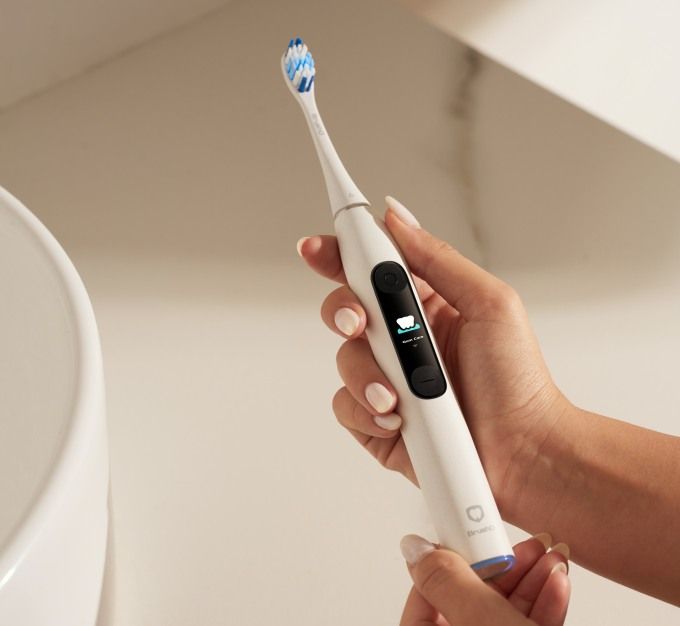
While cheese supports oral health from within, BrushO ensures you’re cleaning effectively from the outside.
• Real-time pressure tracking protects enamel.
• AI zone analysis ensures food particles and acids are fully removed.
• Daily reports help monitor habits after meals and snacks.
• Custom modes allow gentle cleaning after consuming dairy.
Pro Tip: After enjoying cheese as a snack, wait 30 minutes before brushing to allow its protective effects to settle — then let BrushO take over for a perfectly clean finish.
Cheese is more than a guilty pleasure — it’s a functional food that can support your smile. When paired with smart brushing habits powered by BrushO, it becomes part of a holistic approach to oral care. So go ahead, enjoy that slice of cheddar — your teeth just might thank you.
Jul 30
Jul 30
Jul 29
Jul 22
Jul 19
Jul 17

If you are thirsty after brushing, choose plain water. Plan your usual bedtime drink before brushing and skip the immediate rinse at the sink.

Waterpik recommends warm water for its flossers. Check your own model and use comfortably lukewarm water if cold water feels sharp.

Let an intact handle return to room temperature before you consider charging it. Check your manual and watch for signs of battery or housing damage.

Lift away the paste, check the care label, and use cool water on washable fabric. Here is a quick approach for a fresh spot.

Turn the brush off, then check the fit, the connection, and the condition of the head. A second compatible head can help you narrow it down.

Look for a clean, rigid container with a secure lid and keep it with your belongings. A napkin on a lunch tray is easy to clear away.

Check the care directions for your clear retainer. Clinics give different instructions, and the right cleaning method depends on the appliance you received.

Try a gentle rinse first. If the hull sits between teeth and floss moves freely, make a careful pass and stop if it still feels stuck.

A tight gap or rough edge can catch floss. Notice where it snags, keep the movement gentle, and find out when to ask your dentist to check.

Your first sip can taste sharp after brushing. Here is what may be changing and how to make breakfast taste like breakfast again.


Address: RM 1427, 14/F RADIO CITY 505, HENNESSY RD CAUSEWAY BAY, HONG KONG
Code: 000000
Phone: +852-53758652
Email: customerservice@brusho.com
