
Jul 30
Jul 30
Jul 29
Jul 22
Jul 19
Jul 17
Many people believe that vigorous brushing equals cleaner teeth. However, overbrushing is one of the most common—and damaging—mistakes in oral hygiene. It can lead to receding gums, enamel wear, and long-term sensitivity. Fortunately, smart toothbrushes like BrushO use AI-powered pressure sensors and personalized guidance to prevent these issues. In this article, we explore the risks of overbrushing, how to identify the signs, and how BrushO helps build healthier habits through real-time feedback and gentle coaching.
Brushing your teeth is essential—but brushing too hard or too long can do more harm than good. Overbrushing wears down the protective enamel layer on your teeth and can cause gum recession, exposing the sensitive root area. As enamel thins out, teeth become more prone to cavities and temperature sensitivity.
According to the American Dental Association, the correct technique involves gentle, circular motions with a soft-bristled toothbrush—not aggressive scrubbing. But in the rush of daily life, many people apply excessive force without even realizing it.
Not sure if you’re overbrushing? Look for these warning signs:
• Gum recession (teeth appearing longer)
• Tooth sensitivity to hot or cold drinks
• Flattened or frayed toothbrush bristles
• Notched teeth near the gum line
• Sore gums or frequent bleeding after brushing
These symptoms are often gradual and painless at first, making it hard to connect the damage to your brushing habits—until it’s too late.
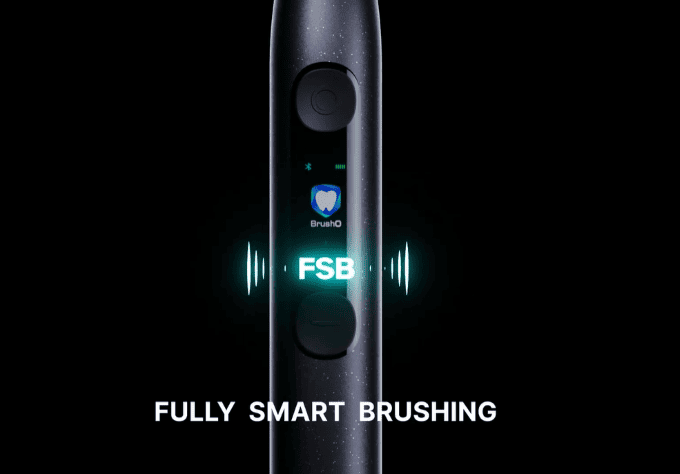
BrushO is designed with real-time pressure detection and AI-powered feedback to help you brush smarter—not harder.
If you apply too much pressure, BrushO gently vibrates and triggers a subtle LED ring alert, reminding you to ease off. This helps protect your gums and enamel without disrupting your routine.
BrushO offers over 100 brushing modes, including settings for sensitive gums, deep clean, and whitening. You can choose what fits your needs—or let the AI suggest the right one based on your past behavior.
The BrushO app shows detailed brushing reports, tracking how much pressure you applied, where you spent too much (or too little) time, and how consistent your routine is. This turns unconscious habits into intentional care.
By using a smart toothbrush that monitors pressure and guides your technique, you’re not only protecting your enamel—you’re also:
• Preventing gum inflammation and future dental issues
• Reducing the need for costly dental procedures
• Improving brushing coverage and consistency
• Building long-term, healthy brushing habits
• Feeling more confident in your oral health
BrushO goes beyond pressure monitoring. With lifetime free brush head replacements, long battery life, and Web3-enabled data privacy, it offers a truly modern oral care experience—safe for your teeth, safe for the planet.
Overbrushing is an invisible threat to oral health. But with the help of BrushO’s intelligent feedback, you can enjoy effective cleaning without the long-term consequences. Remember: the best brushing is gentle, consistent, and smart—exactly what BrushO delivers.
Nov 7
Nov 7
Jul 30
Jul 30
Jul 29
Jul 22
Jul 19
Jul 17

If you are thirsty after brushing, choose plain water. Plan your usual bedtime drink before brushing and skip the immediate rinse at the sink.

Waterpik recommends warm water for its flossers. Check your own model and use comfortably lukewarm water if cold water feels sharp.

Let an intact handle return to room temperature before you consider charging it. Check your manual and watch for signs of battery or housing damage.

Lift away the paste, check the care label, and use cool water on washable fabric. Here is a quick approach for a fresh spot.

Turn the brush off, then check the fit, the connection, and the condition of the head. A second compatible head can help you narrow it down.

Look for a clean, rigid container with a secure lid and keep it with your belongings. A napkin on a lunch tray is easy to clear away.

Check the care directions for your clear retainer. Clinics give different instructions, and the right cleaning method depends on the appliance you received.

Try a gentle rinse first. If the hull sits between teeth and floss moves freely, make a careful pass and stop if it still feels stuck.

A tight gap or rough edge can catch floss. Notice where it snags, keep the movement gentle, and find out when to ask your dentist to check.

Your first sip can taste sharp after brushing. Here is what may be changing and how to make breakfast taste like breakfast again.


Address: RM 1427, 14/F RADIO CITY 505, HENNESSY RD CAUSEWAY BAY, HONG KONG
Code: 000000
Phone: +852-53758652
Email: customerservice@brusho.com
