
Jul 30
Jul 30
Jul 29
Jul 22
Jul 19
Jul 17
Smart vs regular electric toothbrush: differences is a common question for people considering an upgrade. Regular electric toothbrushes already outperform manual ones, but smart toothbrushes take oral care to the next level with AI guidance, pressure sensors, and data tracking. In this article, we’ll break down the main differences, show what each type offers, and explain why BrushO is redefining oral care for the modern user.
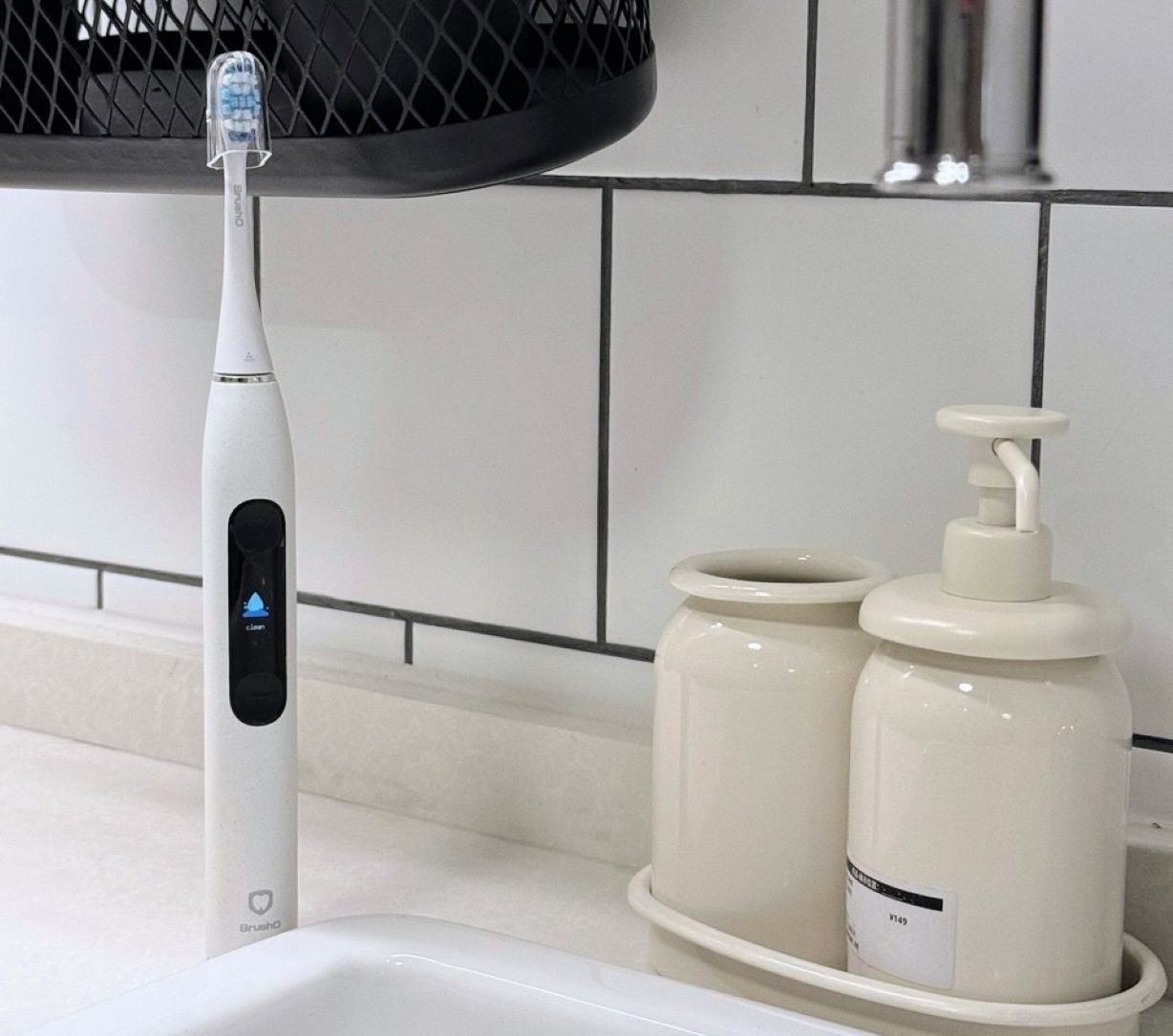
A regular electric toothbrush uses oscillations or sonic vibrations to clean teeth. Its key benefits include:
They are affordable, practical, and easy to use—but lack personalization or real-time guidance.
A smart toothbrush builds on those basics with enhanced features:
Smart brushes transform brushing into an interactive health routine rather than just a mechanical task.
Feature Regular Electric Toothbrush Smart Electric Toothbrush
Cleaning Efficiency Good Excellent with guided feedback
Timer Basic 2-minute Smart timer + coaching
Pressure Control Sometimes included Always included with alerts
Personalization Limited modes Multiple modes + customization
Data Tracking None App-based progress tracking
Habit Building No Yes, with AI reminders
The BrushO AI-Powered Toothbrush takes the smart concept further:
BrushO combines practicality with innovation, giving first-time and advanced users an all-in-one solution.
So, smart vs regular electric toothbrush—what’s right for you? If you only want consistent, automated brushing, a regular electric brush works well. But if you want to improve your technique, prevent enamel damage, and build better oral health habits, a smart toothbrush like BrushO is worth the investment.
Instead of just brushing, BrushO helps you brush smarter. 🦷✨
🫧 Learn more: brusho.com
🪥 BrushO
Jul 30
Jul 30
Jul 29
Jul 22
Jul 19
Jul 17

The posterior maxilla is the most demanding site in implant dentistry, because the pneumatized maxillary sinus frequently leaves the clinician with less bone than the implant requires. Maxillary sinus augmentation, the surgical procedure that raises the sinus floor to create vertical bone, has be...

The rubber dam is the oldest and still the most effective isolation device in restorative dentistry, and its reputation as an inconvenient extra step survives among practitioners who have never measured the time it actually saves. The dam isolates the field from the saliva, the tongue, and the ch...

The margin is the most vulnerable line in fixed prosthodontics, because it is the only boundary between the prepared tooth, the restoration, and the oral environment that the clinician cannot fully seal by effort alone. A restoration that fits seamlessly at the margin resists leakage, caries, and...

The masticatory system is built for function, yet much of its damage comes from habits that serve no purpose. Parafunctional habits, the clenching, the grinding, and the tongue pressing performed outside of normal function, sit behind much of the tooth wear, the temporomandibular pain, and the my...

Chronic mouth breathing in the growing child is seldom a dental problem in origin and almost always a facial one in consequence. The child who sleeps with the mouth open bypasses the physiologic benefits of nasal respiration, and the posture that the airway forces upon the tongue, the mandible, a...

The immediate denture is the prosthesis placed on the day the teeth are extracted, sparing the patient the edentulous interval the conventional denture imposes and preserving the occlusal vertical dimension, the facial support, and the appearance through the transition. The clinical literature ha...

The Class III malocclusion in the growing child carries a special urgency, because the maxillary deficiency that marks the pattern does not correct itself and the window for the growth-modifying treatment closes with the skeletal maturity. Elastic protraction, the orthopedic therapy that pulls th...

The denture is the only prosthetic device in medicine that its owner is expected to wear daily and to clean personally, yet it is also the device most commonly neglected until the signs of disease appear. A biofilm that forms on the acrylic base within hours is a reservoir of candida and bacteria...

The complete denture stands or falls on the impression, because the impression determines how well the base follows the mucous membrane and how evenly the occlusal load is distributed across the basal seat. For a century the profession has argued about whether the impression should record the muc...

The all-ceramic crown has moved from a niche product to the default restoration for the anterior single tooth in a single clinical generation, driven by patient demand for metal-free appearance and by materials that now survive functional loading as reliably as their metal-ceramic predecessors. A...


Address: RM 1427, 14/F RADIO CITY 505, HENNESSY RD CAUSEWAY BAY, HONG KONG
Code: 000000
Phone: +852-53758652
Email: customerservice@brusho.com
