
Jul 30
Jul 30
Jul 29
Jul 22
Jul 19
Jul 17
In a world flooded with over-marketed yet under-engineered products, BrushO stands apart by building a future-ready toothbrush rooted in real innovation and practical performance. From internal hardware to water resistance and motion sensors, every feature of BrushO was designed with longevity, health outcomes, and daily habit-building in mind — not just marketing claims. This article reveals the six core design principles that shaped BrushO into more than just a smart toothbrush — it’s a durable, ergonomic, intelligent wellness tool.
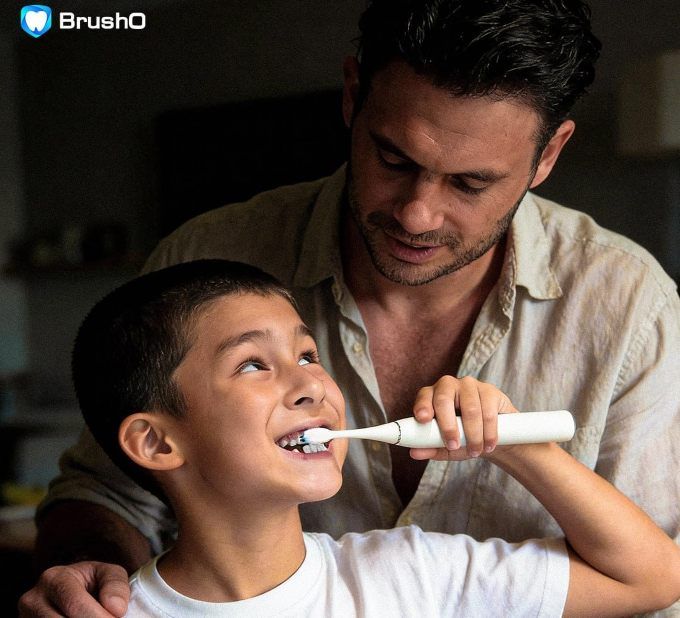
Unlike many consumer tech products that prioritize surface-level aesthetics or fast releases, BrushO followed one guiding rule: build a toothbrush that respects the user. Every part had to serve a purpose. Nothing was added for the sake of trends or buzzwords. This is how BrushO engineered the future of oral care.
While most toothbrushes start with form and then squeeze components inside, BrushO took the opposite approach. The internal structure — including sensor layout, vibration optimization, and IPX-rated waterproofing — shaped the exterior.
• No exposed screws or mechanical weak points
• Sleek, unbroken surface for long-term durability
• A truly minimalist, premium aesthetic grounded in function
RPM alone doesn’t define effective cleaning. BrushO’s engineers calibrated motor frequency, angular displacement, and vibration feel to ensure smooth yet thorough brushing.
Why it Matters:
• Avoids excessive harshness
• Provides a balanced brushing feel
• Supports different brushing modes (sensitive, gum care, deep clean)
Daily exposure to humidity and splashes wears down many devices. BrushO resists that wear by designing water resistance into its PCB layout and internal assembly — not just relying on adhesives.
Long-Term Impact:
• No degradation from steam, sink splashes, or bathroom conditions
• Sustains peak performance after years of use
BrushO’s handle is based on real human testing — not generic design assumptions. It supports proper brushing mechanics and stability, even when wet.
Ergonomic Benefits:
• Reduces wrist fatigue
• Prevents slippage during brushing
• Encourages correct brushing angles and pressure
Many smart toothbrushes add sensors for buzz. BrushO only includes what makes a difference: IMU movement tracking, pressure detection, and AI analysis.
Real-Time Benefits:
• Immediate alerts if brushing too hard
• Zone coverage heatmaps in the app
• Actionable insights, not data overload
BrushO’s brush heads, battery, and motor are engineered for consistency and lifespan. There’s no built-in obsolescence.
What That Means:
• Fewer replacements
• Higher long-term value
• BrushO respects both the planet and your wallet
BrushO didn’t chase gimmicks. It focused on:
• Respecting real user behavior
• Eliminating unnecessary design elements
• Improving daily health habits through data and feedback
• Creating something worth using for years, not months
This is how BrushO became a toothbrush reimagined — a blend of hardware precision, habit coaching, and long-term wellness support.
BrushO is an AI-powered smart toothbrush designed to transform oral care through real-time feedback, advanced motion sensing, and personalized brushing reports. With waterproof construction, customizable modes, and a reward ecosystem that encourages better habits, BrushO is redefining oral health for users of all ages.
Dec 15
Dec 15
Jul 30
Jul 30
Jul 29
Jul 22
Jul 19
Jul 17

The posterior maxilla is the most demanding site in implant dentistry, because the pneumatized maxillary sinus frequently leaves the clinician with less bone than the implant requires. Maxillary sinus augmentation, the surgical procedure that raises the sinus floor to create vertical bone, has be...

The rubber dam is the oldest and still the most effective isolation device in restorative dentistry, and its reputation as an inconvenient extra step survives among practitioners who have never measured the time it actually saves. The dam isolates the field from the saliva, the tongue, and the ch...

The margin is the most vulnerable line in fixed prosthodontics, because it is the only boundary between the prepared tooth, the restoration, and the oral environment that the clinician cannot fully seal by effort alone. A restoration that fits seamlessly at the margin resists leakage, caries, and...

The masticatory system is built for function, yet much of its damage comes from habits that serve no purpose. Parafunctional habits, the clenching, the grinding, and the tongue pressing performed outside of normal function, sit behind much of the tooth wear, the temporomandibular pain, and the my...

Chronic mouth breathing in the growing child is seldom a dental problem in origin and almost always a facial one in consequence. The child who sleeps with the mouth open bypasses the physiologic benefits of nasal respiration, and the posture that the airway forces upon the tongue, the mandible, a...

The immediate denture is the prosthesis placed on the day the teeth are extracted, sparing the patient the edentulous interval the conventional denture imposes and preserving the occlusal vertical dimension, the facial support, and the appearance through the transition. The clinical literature ha...

The Class III malocclusion in the growing child carries a special urgency, because the maxillary deficiency that marks the pattern does not correct itself and the window for the growth-modifying treatment closes with the skeletal maturity. Elastic protraction, the orthopedic therapy that pulls th...

The denture is the only prosthetic device in medicine that its owner is expected to wear daily and to clean personally, yet it is also the device most commonly neglected until the signs of disease appear. A biofilm that forms on the acrylic base within hours is a reservoir of candida and bacteria...

The complete denture stands or falls on the impression, because the impression determines how well the base follows the mucous membrane and how evenly the occlusal load is distributed across the basal seat. For a century the profession has argued about whether the impression should record the muc...

The all-ceramic crown has moved from a niche product to the default restoration for the anterior single tooth in a single clinical generation, driven by patient demand for metal-free appearance and by materials that now survive functional loading as reliably as their metal-ceramic predecessors. A...


Address: RM 1427, 14/F RADIO CITY 505, HENNESSY RD CAUSEWAY BAY, HONG KONG
Code: 000000
Phone: +852-53758652
Email: customerservice@brusho.com
