
Jul 30
Jul 30
Jul 29
Jul 22
Jul 19
Jul 17
Many people instinctively reach for their toothbrush right after vomiting to feel clean and fresh. However, this common habit might be doing more harm than good. Brushing immediately after throwing up can actually damage your tooth enamel, which is already weakened by stomach acid. In this article, we’ll break down why timing matters, what experts recommend, and how smart brushing habits with BrushO can protect your long-term oral health. Whether you’re dealing with occasional stomach issues, morning sickness, or food poisoning, understanding the right steps to take after vomiting is crucial for maintaining healthy teeth and gums.
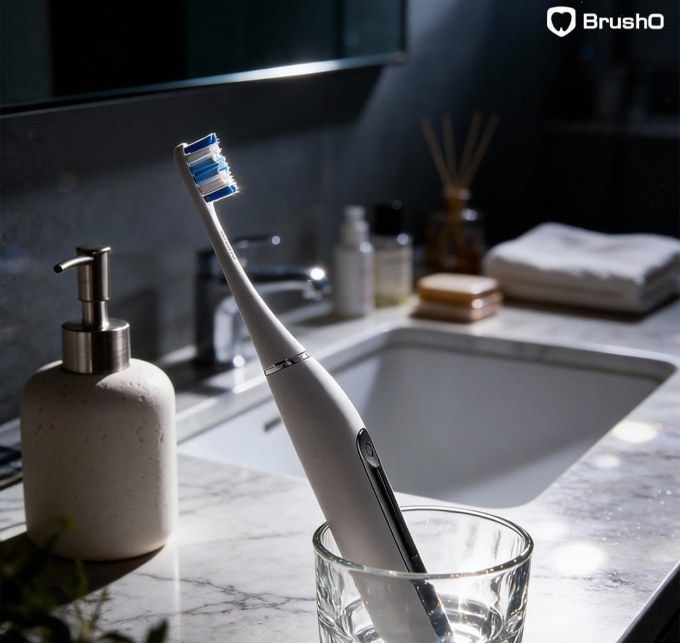
Vomiting isn’t just unpleasant—it exposes your mouth to a powerful mix of stomach acids that can significantly weaken your enamel. Many of us want to brush right away to get rid of the taste and feel clean again. But is that actually safe?
Let’s explore what dental professionals recommend and how smart oral care, with help from BrushO, can minimize damage and promote healing.
Stomach acid has a very low pH, usually between 1 and 3, which can temporarily soften tooth enamel. When you vomit, that acid coats your teeth. If you brush too soon afterward, you might actually scrub away the weakened enamel, leading to:
• Increased tooth sensitivity
• Long-term enamel erosion
• Yellowing of the teeth
• Higher risk of cavities
According to the American Dental Association (ADA) and most dentists, it’s best to wait at least 30 minutes after vomiting before brushing your teeth.
1. Rinse with water immediately – to remove acid residue from the mouth.
2. Rinse with a baking soda solution (1 teaspoon in a cup of water) – this neutralizes acid and protects enamel.
3. Chew sugar-free gum – to stimulate saliva, which naturally helps rebalance pH.
4. Wait 30–60 minutes – then brush gently with a soft-bristled toothbrush like BrushO.
When it’s finally safe to brush, using the right technique and tools is essential.
• Pressure sensors ensure you don’t overbrush sensitive enamel.
• Adaptive modes like “Sensitive” and “Gum Care” offer a gentler clean.
• Smart timing guides you through proper zone-by-zone brushing—even when your mouth is recovering.
• Brushing history tracking helps monitor patterns if vomiting is frequent (e.g., morning sickness, illness).
By using a smart toothbrush like BrushO, you’re less likely to cause additional harm when your enamel is most vulnerable.
Pregnant women dealing with morning sickness may vomit frequently. If so, consider:
• Keeping a bottle of water or mouth rinse nearby
• Switching to enamel-strengthening toothpaste
• Using BrushO’s sensitive mode to avoid triggering gag reflexes
For individuals recovering from bulimia or similar conditions, consistent education and gentle care are key. A smart toothbrush like BrushO offers non-judgmental tracking and habit coaching, helping users improve their oral health gradually.
It’s natural to want to brush right after vomiting—but resist the urge. Wait at least 30 minutes and rinse thoroughly to protect your enamel. Then brush gently with a smart, supportive tool like BrushO that adapts to your needs and helps prevent further damage.
BrushO is an AI-powered smart toothbrush that tracks your brushing performance in real time, from pressure to coverage. With features like adaptive brushing modes, personalized scoring, and app-based feedback, BrushO helps you build better brushing habits every day. Whether you’re managing a sensitive mouth or aiming for optimal oral health, BrushO is your smartest brushing companion.
Jul 30
Jul 30
Jul 29
Jul 22
Jul 19
Jul 17

PPM describes concentration, not the amount to put on the brush. Learn how to read fluoride information while keeping regional guidance and individual advice in view.

That forgotten tube deserves a label check. Learn what toothpaste shelf-life information refers to, why storage matters, and how to avoid guessing from appearance.

Clear gel or opaque paste? Texture is only one feature. Learn which label details matter when comparing toothpastes for your brushing routine.

Minty toothpaste can create a cooling sensation without being chilled. Explore what menthol does and why a fresh feeling is different from complete cleaning.

The sound of a powered brush comes with its moving mechanism. Learn how normal operating noise differs from alerts or an unexpected change that needs checking.

Toothpaste on the mirror? Check when you switch the brush on and off, how you position it, and how to pause without rushing your routine.

A whitening brushing program and a bleaching treatment are different things. Learn how to interpret mode names, surface-stain claims, and realistic expectations.

A tiny cluster of bristles serves a different purpose from a full-size head. Learn where a single-tuft brush may fit into an individually recommended cleaning routine.

Angled tufts, different bristle heights, and the angle of your hand are separate design questions. Learn how to read a toothbrush-head description clearly.

A larger head is not an automatic shortcut to cleaner teeth. Learn how head size affects access, positioning, and the fit of your daily brushing routine.

BrushO AI電動歯ブラシは、リアルタイムのブラッシングガイド、圧力フィードバック、磨き残しの確認、アプリでの進捗レポートにより、毎日のケアをより清潔にサポートします。


Address: RM 1427, 14/F RADIO CITY 505, HENNESSY RD CAUSEWAY BAY, HONG KONG
Code: 000000
Phone: +852-53758652
Email: customerservice@brusho.com