
Jul 30
Jul 30
Jul 29
Jul 22
Jul 19
Jul 17
Mornings can be hectic — you’re juggling alarms, emails, breakfast, and maybe even kids. In the rush to get out the door, oral hygiene often takes a backseat. But brushing your teeth, even in a hurry, doesn’t have to be sloppy or ineffective. In fact, a quick yet mindful routine can go a long way in protecting your teeth and gums. The key lies in using the right tools, the right technique, and a little bit of smart technology. Here’s how to brush better when you’re short on time — without compromising on your dental health.
When we’re in a hurry, we tend to:
• Skip hard-to-reach areas
• Brush too aggressively or too quickly
• Use improper technique
• Forget to clean the tongue or gumline
All of this can lead to plaque buildup, gum inflammation, and even bad breath — problems that compound over time.
Focus on:
• Front, back, and chewing surfaces
• Gumline and molars (most commonly missed)
• 30 seconds per quadrant (or smarter: 6-zone guidance)
Even if you have only 90 seconds, be intentional. Don’t just swipe — aim for complete, thorough coverage.
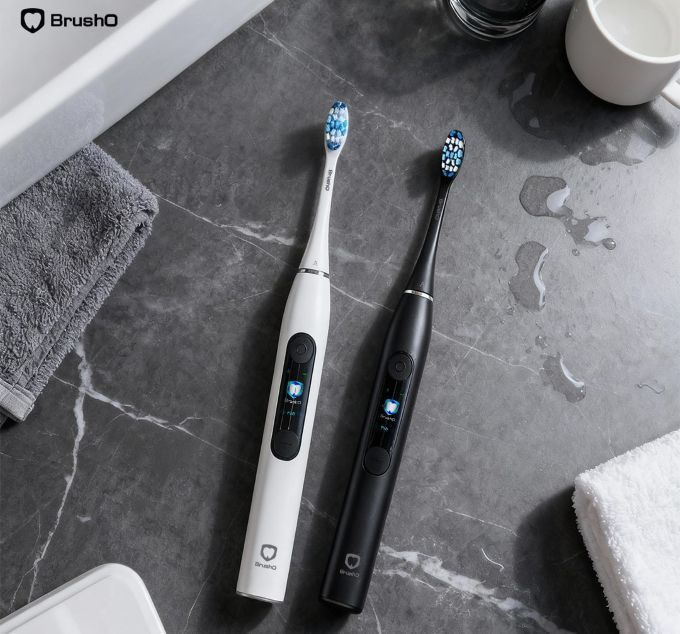
Smart toothbrushes like BrushO are designed for time-crunched mornings. With built-in zone tracking, real-time feedback, and pressure sensors, they help you stay on target — even when half-asleep. BrushO also uses AI to analyze your brushing habits and suggest improvements, so you don’t waste effort and still get a full clean.
With the BrushO App, you get:
• Guided brushing animations
• Personalized scorecards
• Missed-area detection
• Alerts when you’re brushing too hard or too fast
This automation takes the mental load off your morning routine.
Charge your brush. Fill your water cup. Set your mouthwash and floss within easy reach. Small prep steps can save crucial seconds in the morning.
Use music as your cue — it’s faster than watching the clock and makes brushing more enjoyable. BrushO’s app has a built-in timer and rhythm guidance to keep you moving efficiently.
If you’re really behind, skip flossing or mouthwash — but never skip brushing. It’s the foundation of oral health. You can always floss after lunch, but plaque begins building up within hours.
• Travel-ready design: Lightweight, slim, and fits in any bag
• 45-day battery life: No need to worry about charging every week
• Waterproof: Brush in the shower if you really need to multitask
• Quick-swap heads: Brush heads click off in seconds for fast cleaning or travel
You don’t need 10 minutes to brush effectively — you need precision, guidance, and consistency. With smart tools like BrushO, even your fastest brushing sessions can be highly effective. By forming better habits and relying on technology that thinks for you, you turn rushed routines into reliable self-care. Your smile deserves that — even on Monday mornings.
BrushO is a smart AI-powered toothbrush designed to fit real-life routines — busy mornings, tight schedules, and all. It uses advanced brushing zone tracking, real-time feedback, and personalized scoring to help users brush better, not just longer. From smart sensors to lifetime brush head rewards, BrushO makes oral care intelligent and intuitive.
Jul 30
Jul 30
Jul 29
Jul 22
Jul 19
Jul 17

PPM describes concentration, not the amount to put on the brush. Learn how to read fluoride information while keeping regional guidance and individual advice in view.

That forgotten tube deserves a label check. Learn what toothpaste shelf-life information refers to, why storage matters, and how to avoid guessing from appearance.

Clear gel or opaque paste? Texture is only one feature. Learn which label details matter when comparing toothpastes for your brushing routine.

Minty toothpaste can create a cooling sensation without being chilled. Explore what menthol does and why a fresh feeling is different from complete cleaning.

The sound of a powered brush comes with its moving mechanism. Learn how normal operating noise differs from alerts or an unexpected change that needs checking.

Toothpaste on the mirror? Check when you switch the brush on and off, how you position it, and how to pause without rushing your routine.

A whitening brushing program and a bleaching treatment are different things. Learn how to interpret mode names, surface-stain claims, and realistic expectations.

A tiny cluster of bristles serves a different purpose from a full-size head. Learn where a single-tuft brush may fit into an individually recommended cleaning routine.

Angled tufts, different bristle heights, and the angle of your hand are separate design questions. Learn how to read a toothbrush-head description clearly.

A larger head is not an automatic shortcut to cleaner teeth. Learn how head size affects access, positioning, and the fit of your daily brushing routine.

BrushO AI電動歯ブラシは、リアルタイムのブラッシングガイド、圧力フィードバック、磨き残しの確認、アプリでの進捗レポートにより、毎日のケアをより清潔にサポートします。


Address: RM 1427, 14/F RADIO CITY 505, HENNESSY RD CAUSEWAY BAY, HONG KONG
Code: 000000
Phone: +852-53758652
Email: customerservice@brusho.com