
Jul 30
Jul 30
Jul 29
Jul 22
Jul 19
Jul 17
If you’ve ever woken up with a dry, rough tongue, you’re not alone. Tongue dryness is a common issue that can result from dehydration, mouth breathing, poor saliva production, or even certain medications. While often ignored, a dry tongue can be uncomfortable and even harmful to your oral health if left unaddressed. In this blog post, we explore the causes behind tongue dryness, how to treat it, and how intelligent brushing with BrushO can help support a healthier, well-hydrated oral environment.
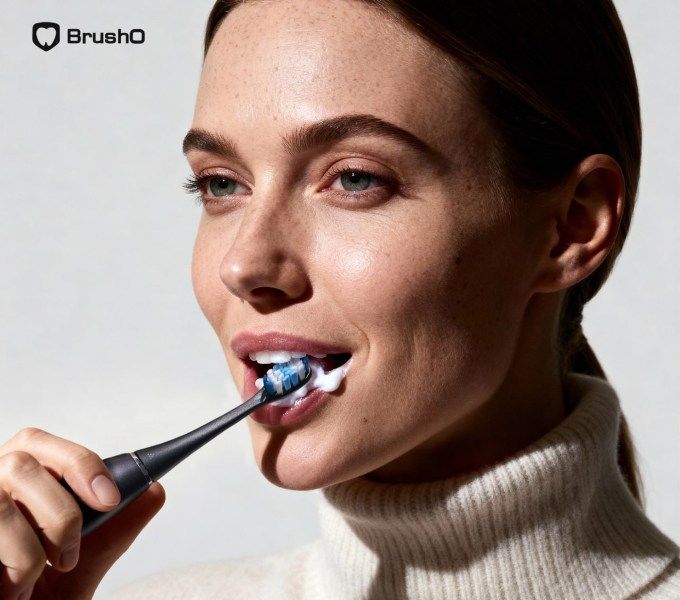
Tongue dryness occurs when there isn’t enough moisture in your mouth—specifically, a lack of saliva covering the surface of your tongue. This can lead to sensations like:
• Rough or sticky tongue texture
• Cracked or burning tongue
• Bad breath or difficulty swallowing
• Increased risk of bacterial buildup
Saliva plays a crucial role in keeping your tongue lubricated, balanced in pH, and free from harmful microbes. When that natural protection drops, your tongue suffers first.
Let’s break down the most common reasons your tongue feels dry:
Not drinking enough water leads to reduced saliva production. Even mild dehydration can affect your tongue’s moisture level.
Breathing through your mouth during sleep or due to nasal congestion causes moisture to evaporate, drying out the tongue.
Over 400 types of medications (e.g., antihistamines, antidepressants, blood pressure meds) list dry mouth/tongue as a side effect.
As we age, natural saliva production may decline, making dryness more common among older adults.
Conditions such as diabetes, Sjögren’s syndrome, or radiation therapy can impair saliva glands, causing persistent dryness.
While saliva is your body’s first defense, your toothbrush can help reduce the strain on your tongue and support your oral health:
Overbrushing or harsh scrubbing can worsen dry tongue symptoms. BrushO’s pressure sensors ensure you never brush too hard.
The tongue often gets ignored during brushing. With BrushO’s 16-zone smart mapping, users are reminded to clean all essential areas—tongue included.
If dryness stems from poor hygiene habits, BrushO’s app insights can help you understand and correct your brushing routine over time.
Here are practical tips you can start today:
1. Drink Water Regularly – Aim for 8 cups a day to maintain proper hydration.
2. Avoid Alcohol-Based Mouthwashes – These can further dry out your mouth.
3. Use a Humidifier – Especially helpful at night if your air is dry.
4. Limit Caffeine and Tobacco – Both can reduce saliva flow.
5. Chew Sugar-Free Gum – It helps stimulate natural saliva production.
6. Clean Your Tongue – Use a tongue scraper or BrushO to gently remove bacteria and buildup.
Did you know a dry tongue may reduce your sense of taste? That’s because taste buds need moisture to function properly. So staying hydrated and brushing smart helps more than just your oral health — it enhances your eating experience too.
A dry tongue isn’t just a minor nuisance—it can signal dehydration, poor brushing habits, or underlying health conditions. Thankfully, combining good hydration with smart brushing using BrushO ensures your tongue—and the rest of your mouth—stays protected and healthy every day.
Jul 30
Jul 30
Jul 29
Jul 22
Jul 19
Jul 17

The posterior maxilla is the most demanding site in implant dentistry, because the pneumatized maxillary sinus frequently leaves the clinician with less bone than the implant requires. Maxillary sinus augmentation, the surgical procedure that raises the sinus floor to create vertical bone, has be...

The rubber dam is the oldest and still the most effective isolation device in restorative dentistry, and its reputation as an inconvenient extra step survives among practitioners who have never measured the time it actually saves. The dam isolates the field from the saliva, the tongue, and the ch...

The margin is the most vulnerable line in fixed prosthodontics, because it is the only boundary between the prepared tooth, the restoration, and the oral environment that the clinician cannot fully seal by effort alone. A restoration that fits seamlessly at the margin resists leakage, caries, and...

The masticatory system is built for function, yet much of its damage comes from habits that serve no purpose. Parafunctional habits, the clenching, the grinding, and the tongue pressing performed outside of normal function, sit behind much of the tooth wear, the temporomandibular pain, and the my...

Chronic mouth breathing in the growing child is seldom a dental problem in origin and almost always a facial one in consequence. The child who sleeps with the mouth open bypasses the physiologic benefits of nasal respiration, and the posture that the airway forces upon the tongue, the mandible, a...

The immediate denture is the prosthesis placed on the day the teeth are extracted, sparing the patient the edentulous interval the conventional denture imposes and preserving the occlusal vertical dimension, the facial support, and the appearance through the transition. The clinical literature ha...

The Class III malocclusion in the growing child carries a special urgency, because the maxillary deficiency that marks the pattern does not correct itself and the window for the growth-modifying treatment closes with the skeletal maturity. Elastic protraction, the orthopedic therapy that pulls th...

The denture is the only prosthetic device in medicine that its owner is expected to wear daily and to clean personally, yet it is also the device most commonly neglected until the signs of disease appear. A biofilm that forms on the acrylic base within hours is a reservoir of candida and bacteria...

The complete denture stands or falls on the impression, because the impression determines how well the base follows the mucous membrane and how evenly the occlusal load is distributed across the basal seat. For a century the profession has argued about whether the impression should record the muc...

The all-ceramic crown has moved from a niche product to the default restoration for the anterior single tooth in a single clinical generation, driven by patient demand for metal-free appearance and by materials that now survive functional loading as reliably as their metal-ceramic predecessors. A...

Lo spazzolino elettrico BrushO con IA offre guida in tempo reale, feedback sulla pressione, monitoraggio della copertura e report di progresso nell’app per una routine quotidiana più pulita.
Lo spazzolino elettrico BrushO con IA offre guida in tempo reale, feedback sulla pressione, monitoraggio della copertura e report di progresso nell’app per una routine quotidiana più pulita.


Address: RM 1427, 14/F RADIO CITY 505, HENNESSY RD CAUSEWAY BAY, HONG KONG
Code: 000000
Phone: +852-53758652
Email: customerservice@brusho.com